

Can Dogs Eat Butter? (Not Toxic, But Still Risky)
Butter isn’t toxic to dogs but its extreme fat content makes pancreatitis and obesity real risks, and garlic butter specifically introduces toxicity concerns that plain butter itself never carries.
Butter isn’t toxic to dogs but its extreme fat content makes pancreatitis and obesity real risks, and garlic butter specifically introduces toxicity concerns that plain butter itself never carries.
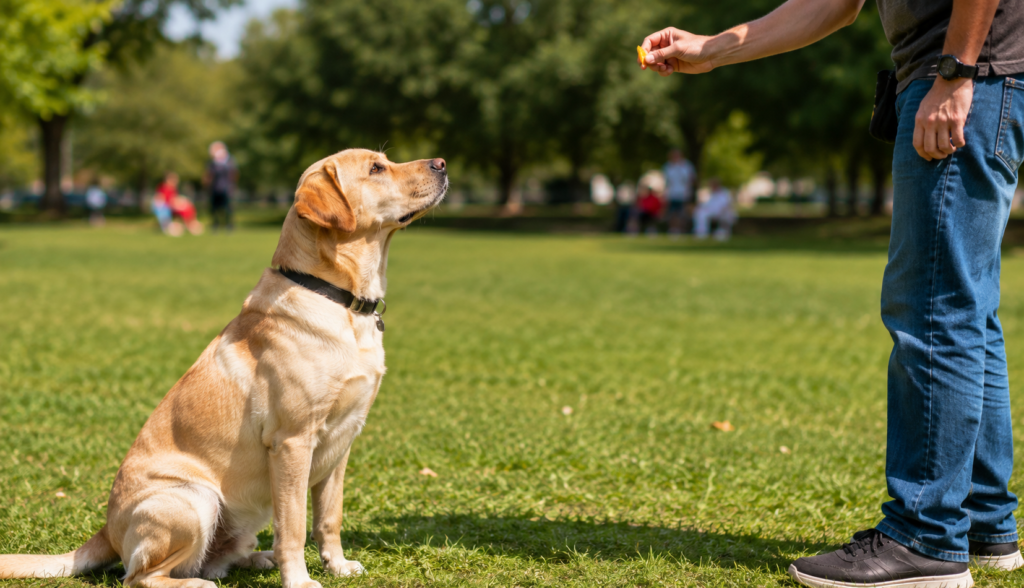
Cheese is safe for most dogs in small amounts and works brilliantly as a training treat, but lactose intolerance, high fat content, and blue cheese toxicity all need careful consideration.
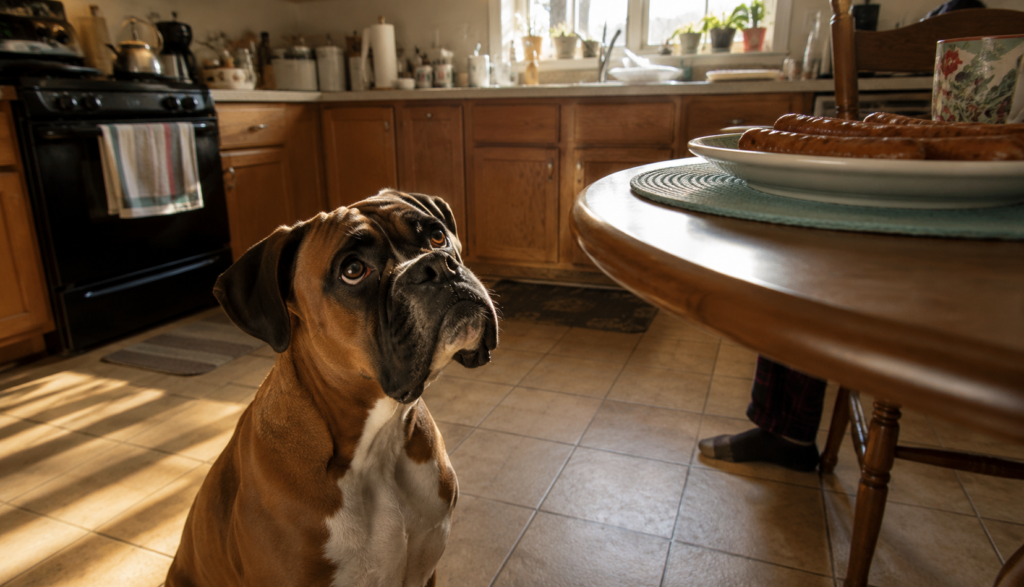
Sausage is one of the worst foods for dogs — extreme sodium, dangerous fat levels, and garlic or onion seasoning built into most varieties make even small amounts a genuine health risk.
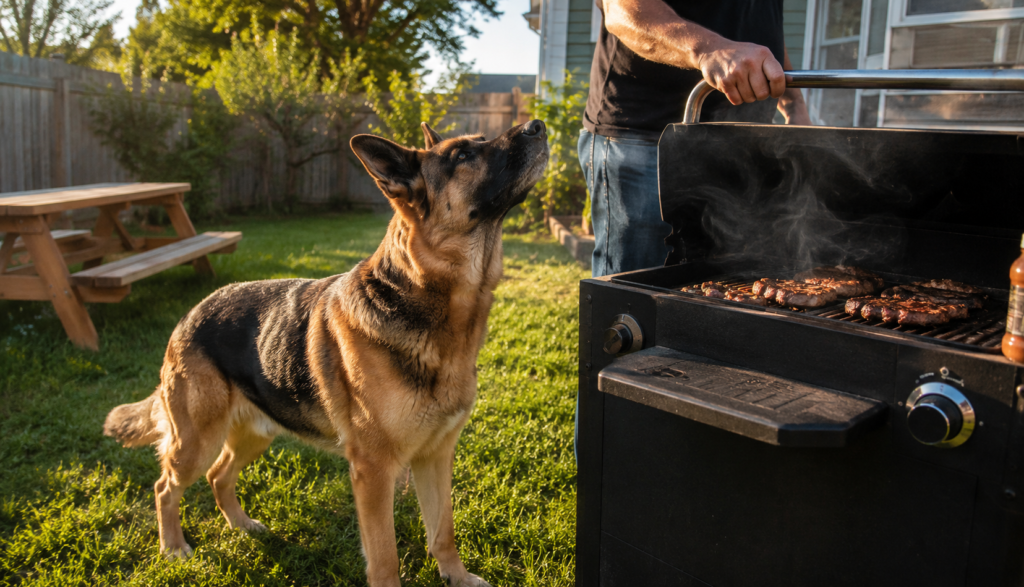
Plain cooked lean steak is safe for dogs as an occasional treat, but fatty cuts like ribeye, garlic butter marinades, and steak bones all introduce risks that plain steak itself never carries.
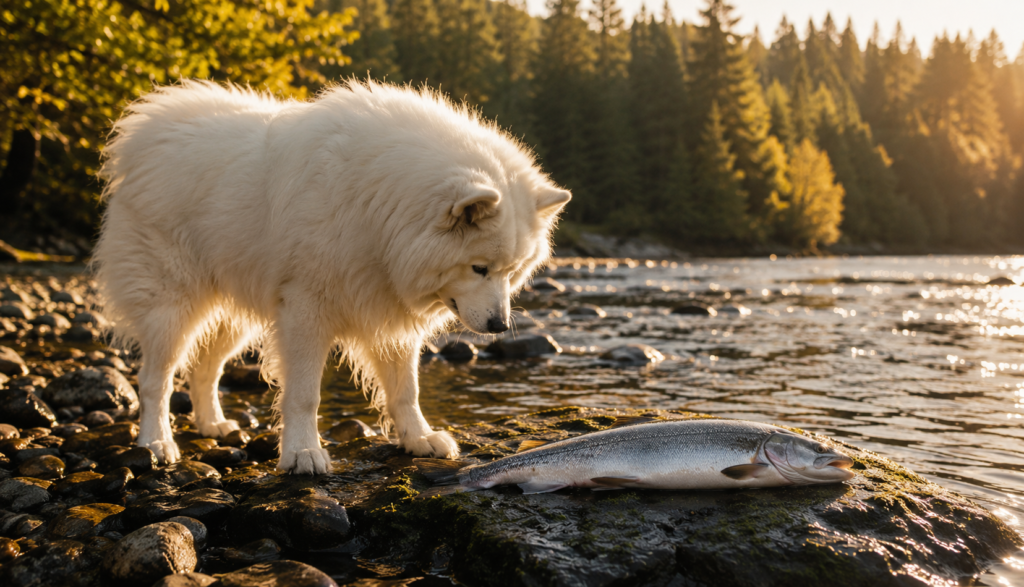
Cooked salmon is one of the best fish for dogs, rich in omega-3 and DHA, but raw salmon can carry a potentially fatal parasite causing salmon poisoning that every dog owner must know.
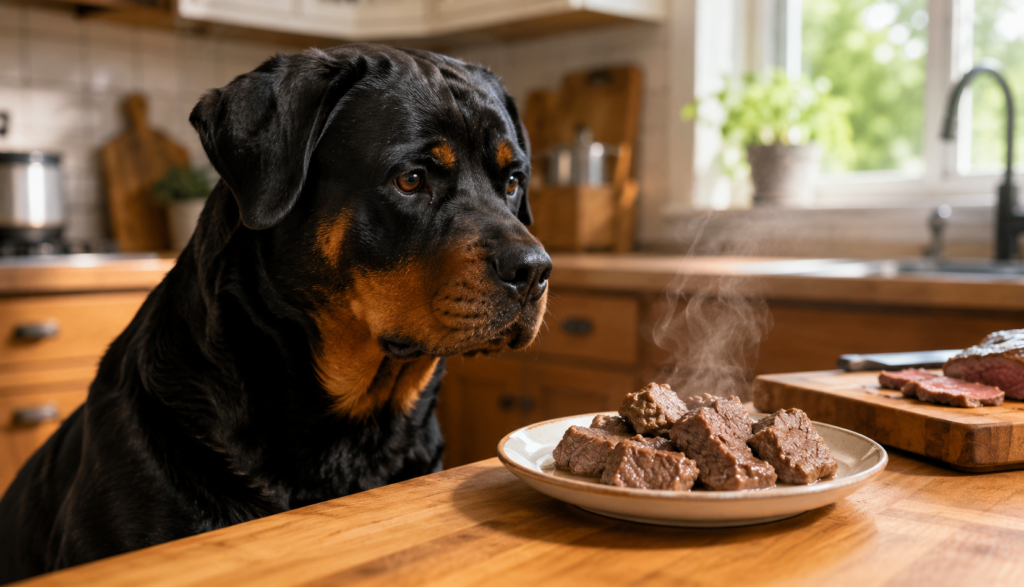
Lean plain beef is a vet-approved protein for dogs and a common dog food ingredient, but fatty cuts, cooked bones, and seasoning all introduce pancreatitis and safety risks worth knowing.
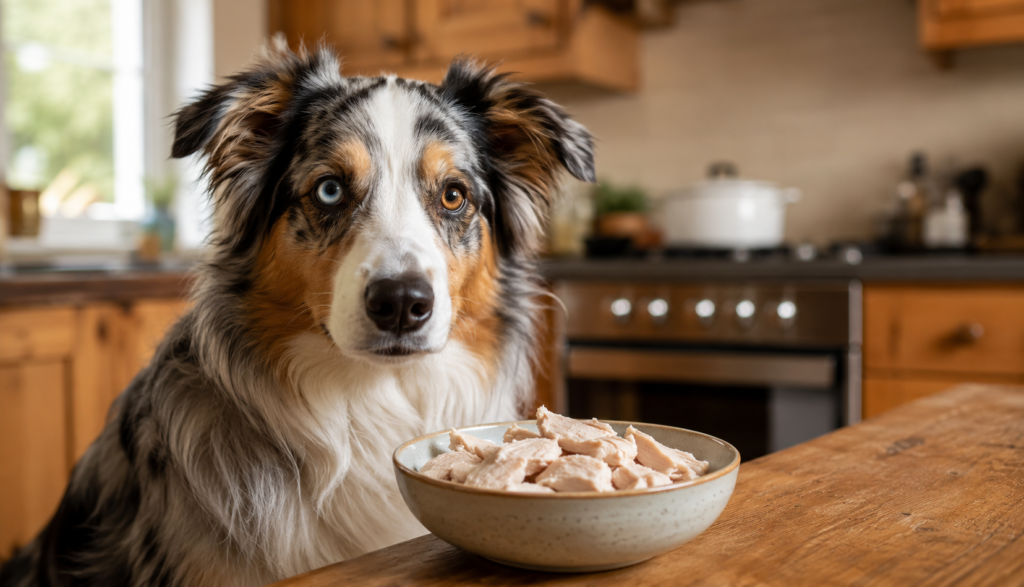
Plain boiled chicken is one of the most vet-recommended foods for dogs, especially for digestive upset, but raw chicken, cooked bones, and chicken skin each carry their own specific risks.
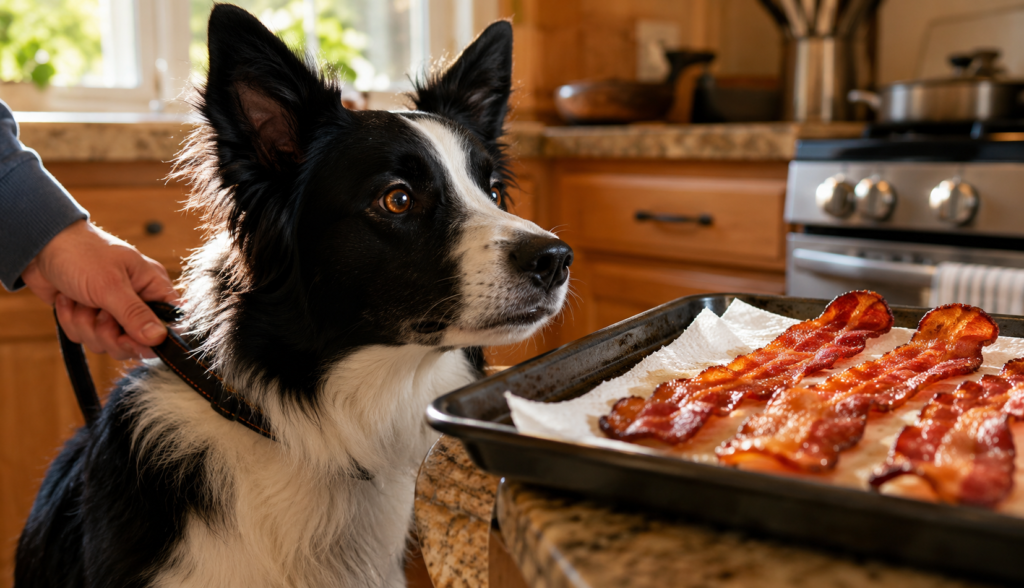
Bacon is one of the worst foods for dogs — extreme sodium content, dangerous fat levels, and bacon grease exposure all carry real pancreatitis and salt poisoning risk even in small amounts.
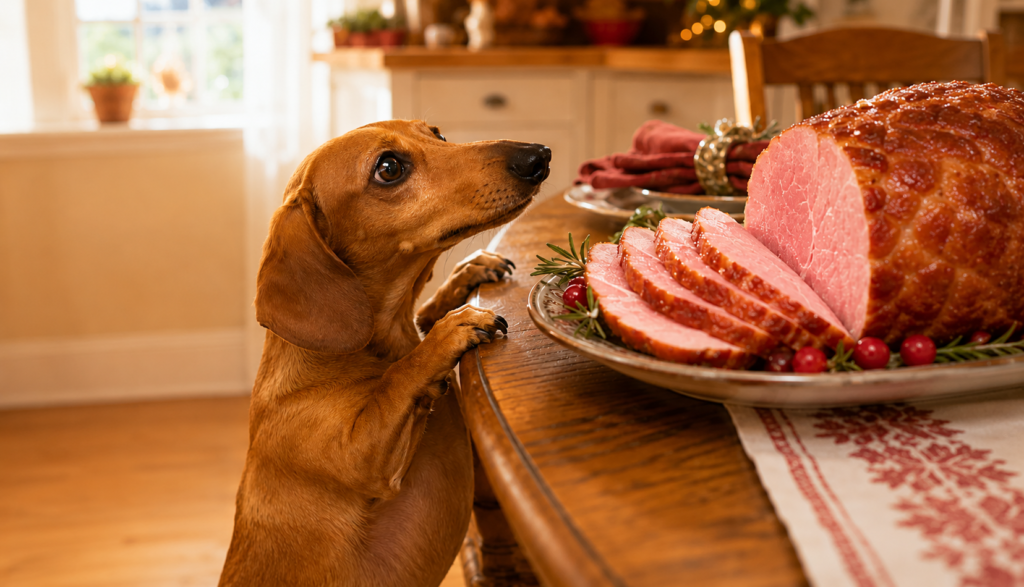
Ham isn’t toxic to dogs but its extreme sodium content and high fat make it one of the worst protein choices available, with real salt poisoning and pancreatitis risk for regular feeding.
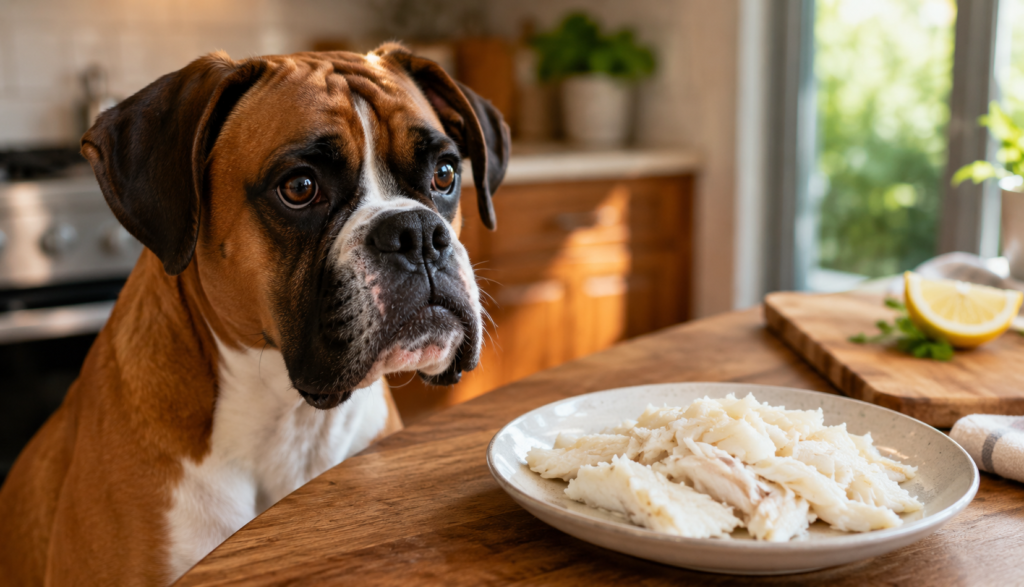
Cooked fish is a vet-approved, omega-3-rich protein for dogs, but raw salmon carries a fatal poisoning risk, fish bones are a serious hazard, and canned tuna brings mercury concerns.
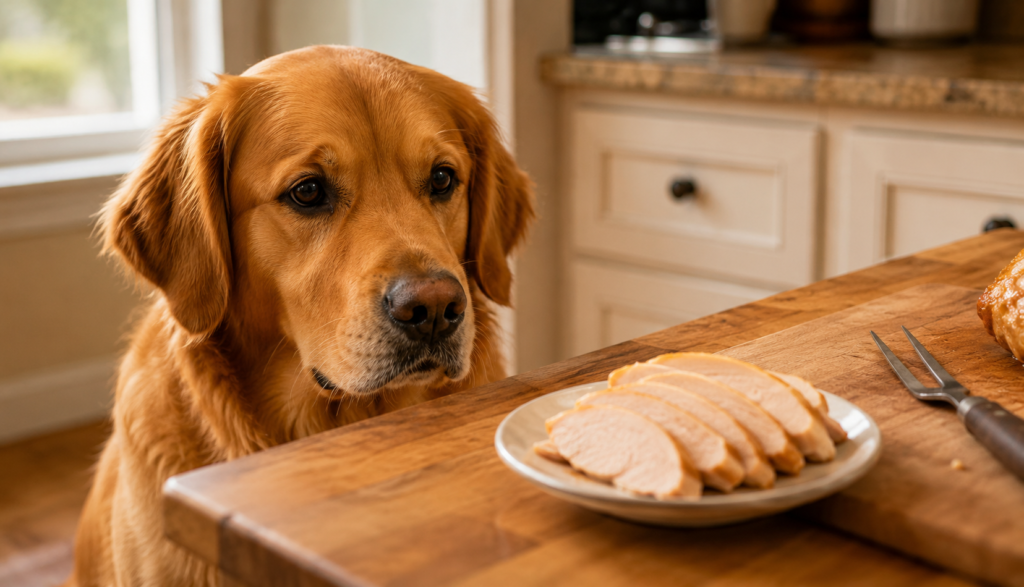
Plain cooked turkey is a vet-approved lean protein for dogs, but turkey skin, cooked bones, stuffing, and processed lunch meat versions introduce risks that plain turkey itself never carries.
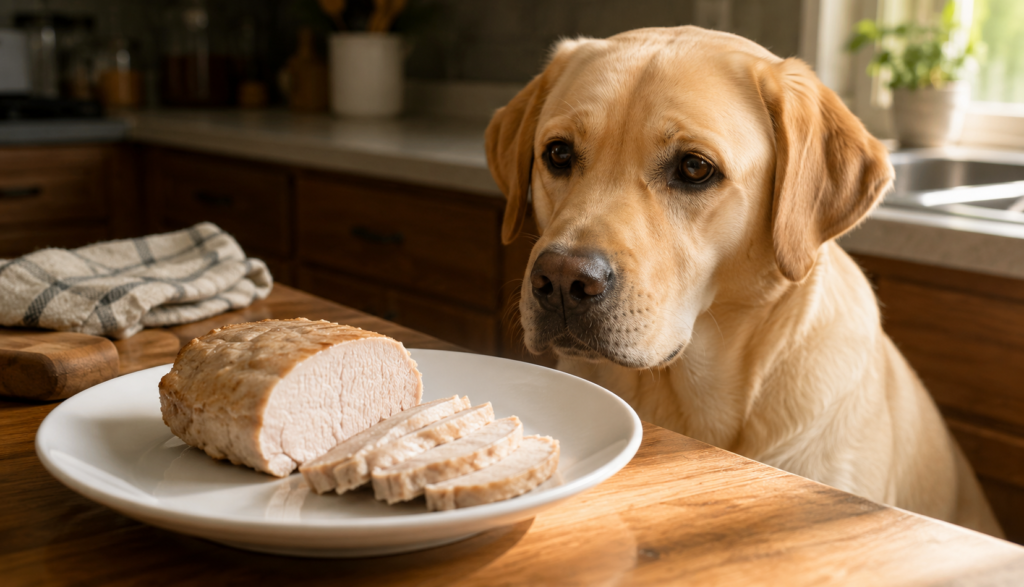
Plain cooked pork is safe for dogs in small amounts, but raw pork carries parasite risk, pork bones splinter dangerously, and processed versions like bacon and ham are too high in sodium.