
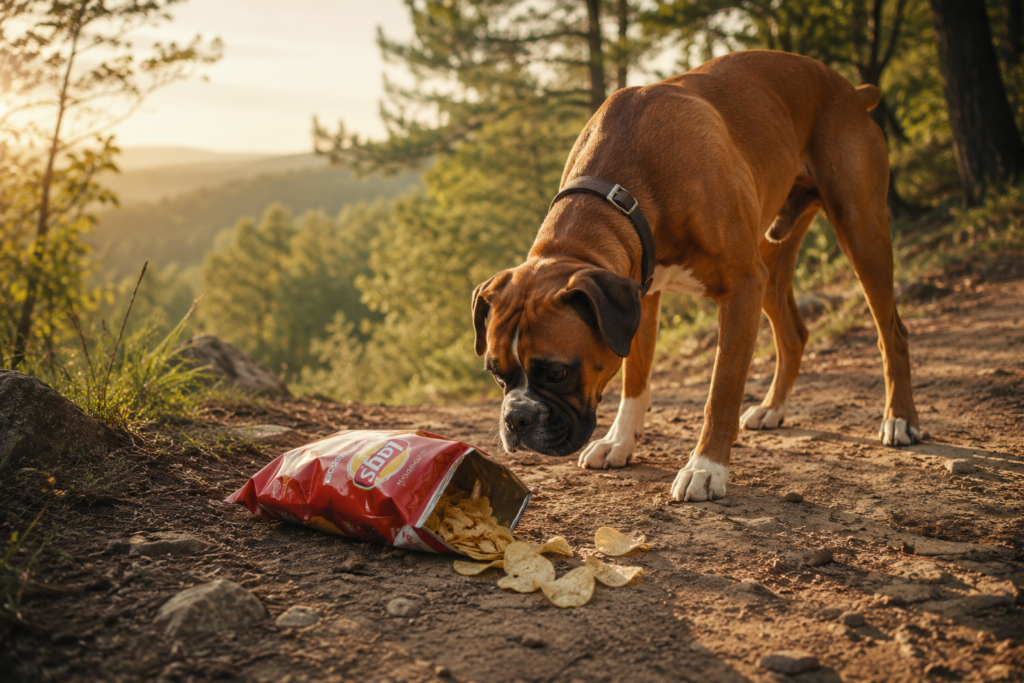
Can Dogs Eat Chips? (No — Salt & Seasoning Risks)
Chips aren’t a safe snack for dogs — sodium, fried fat, and hidden onion/garlic seasoning make them risky in any quantity beyond an occasional stray crumb.
Chips aren’t a safe snack for dogs — sodium, fried fat, and hidden onion/garlic seasoning make them risky in any quantity beyond an occasional stray crumb.
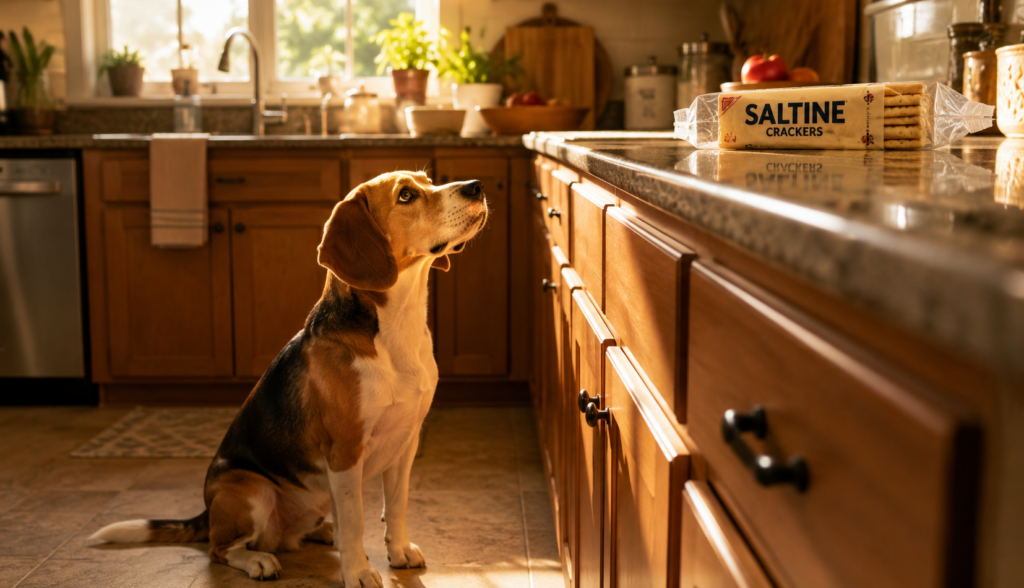
Plain crackers are okay for dogs in small amounts, but sodium and seasoning make moderation and label-checking essential.
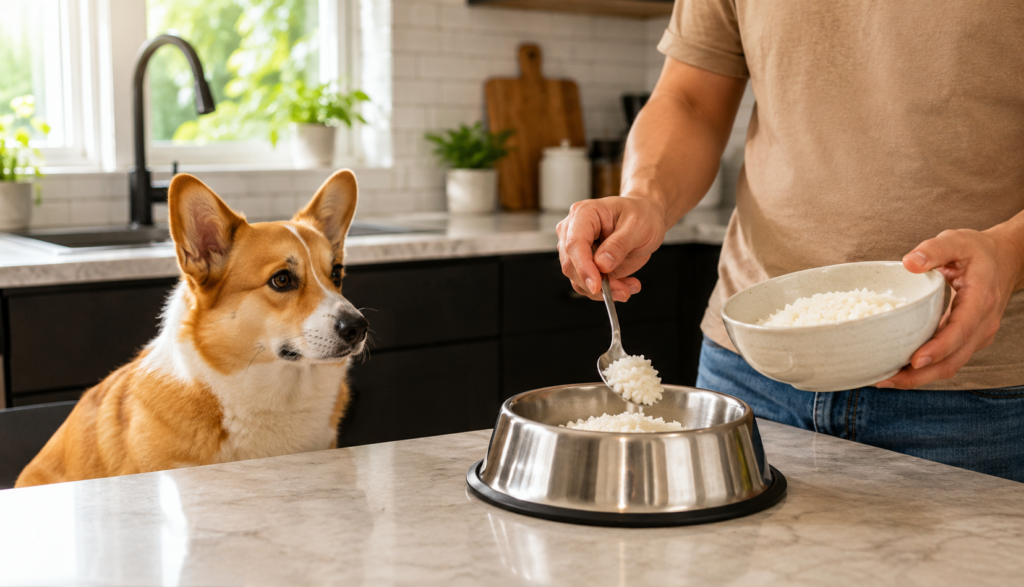
Rice is safe and often recommended for dogs, especially for settling an upset stomach. Here’s how much to feed and which type is best.
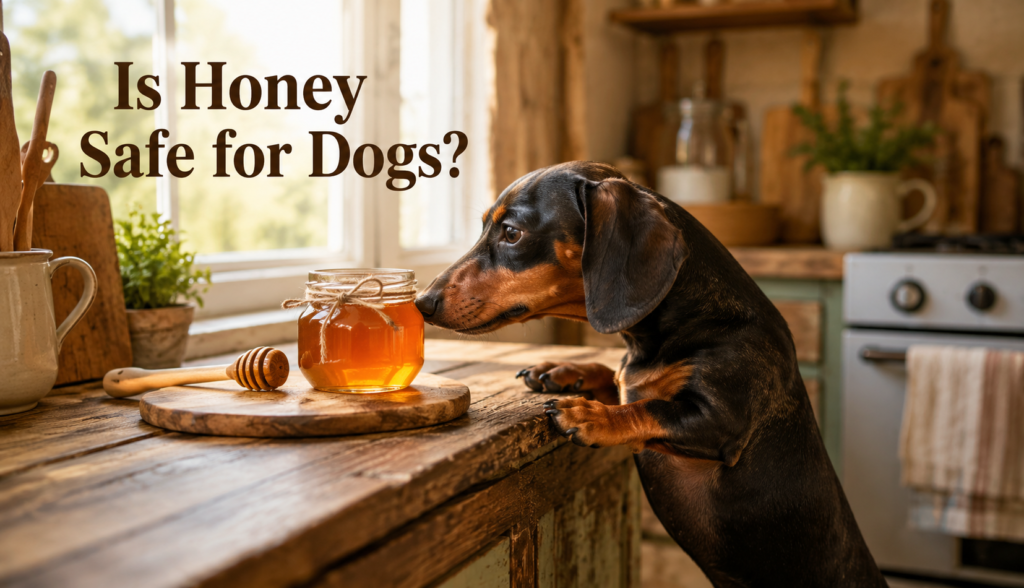
Honey is safe for most dogs in small amounts, offering mild antioxidant and allergy-support benefits — but sugar content makes it risky for diabetic, overweight, or very young dogs.

Marshmallows aren’t a safe treat for dogs. Regular ones offer empty sugar calories and choking risk, while sugar-free varieties can contain xylitol — a substance that’s life-threatening to dogs even in tiny amounts.
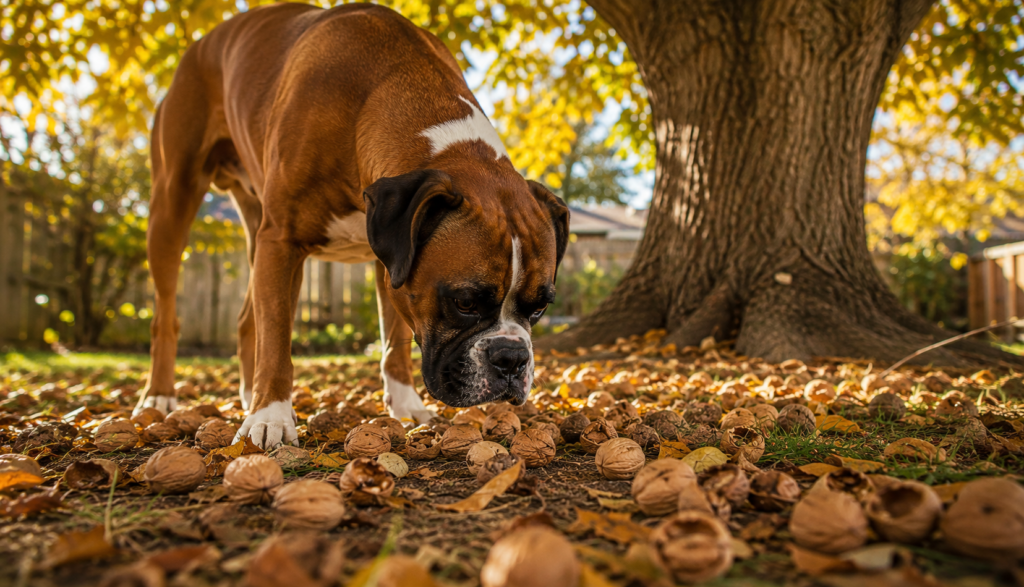
Walnuts pose serious risks to dogs — from mold toxins that trigger seizures to gut-blocking shells. Here’s what every owner needs to know before sharing a bite.
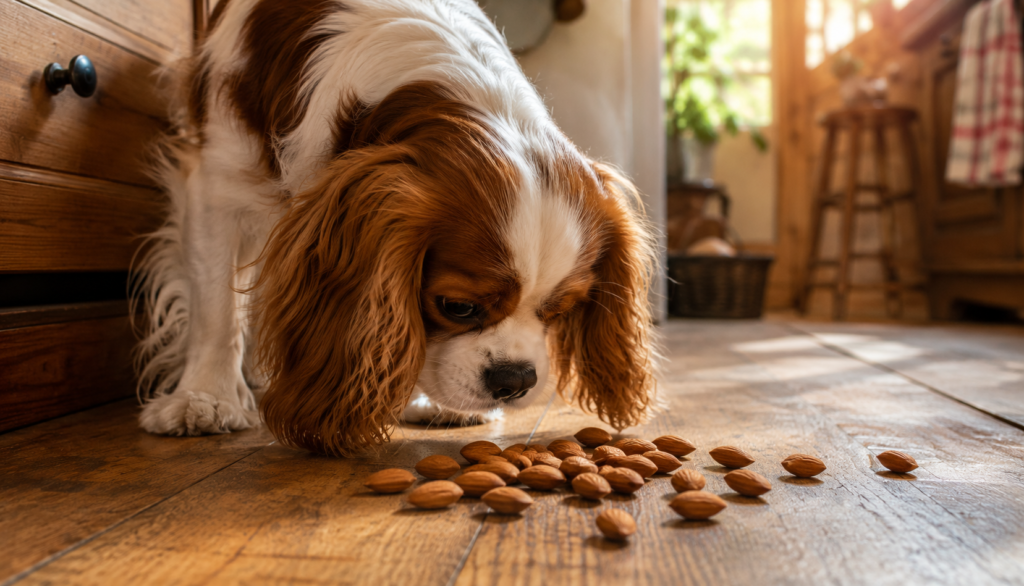
Almonds aren’t toxic to dogs, but choking hazards, digestive upset, and pancreatitis risk mean they’re best avoided. Here’s what to do if your dog eats some.
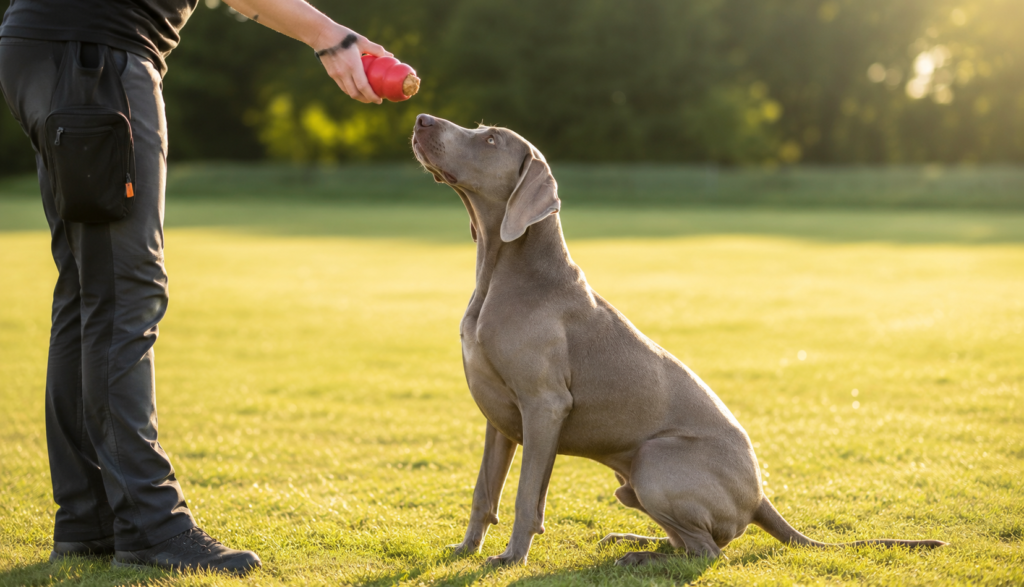
Peanut butter is safe for dogs when xylitol-free and unsalted, making it one of the best training treats available, but certain brands use this sweetener which causes fatal liver failure in dogs.
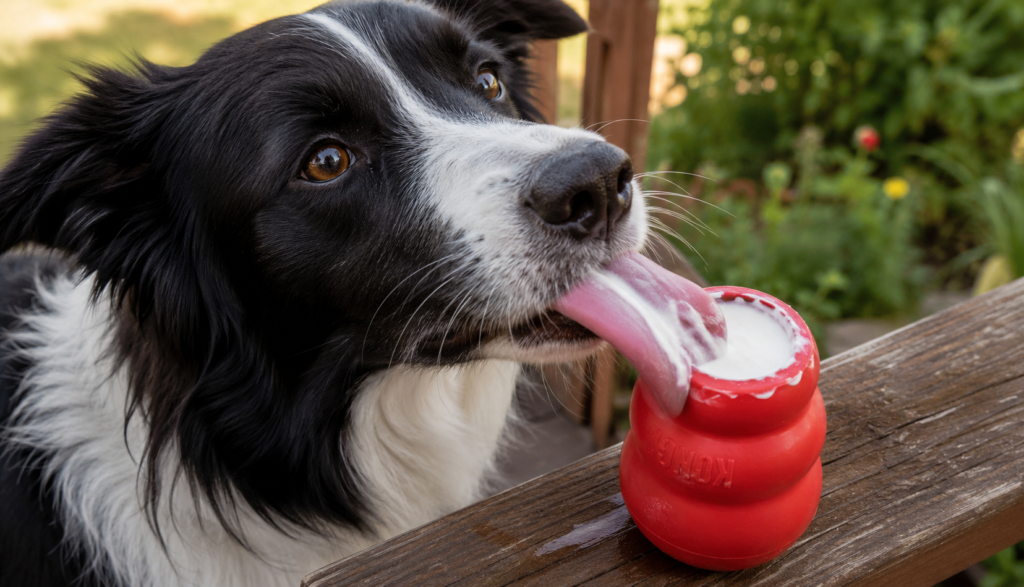
Plain unsweetened yogurt with live cultures is safe for dogs and offers real probiotic benefit, but flavored varieties, added sugar, and xylitol make most store yogurts a risky choice.
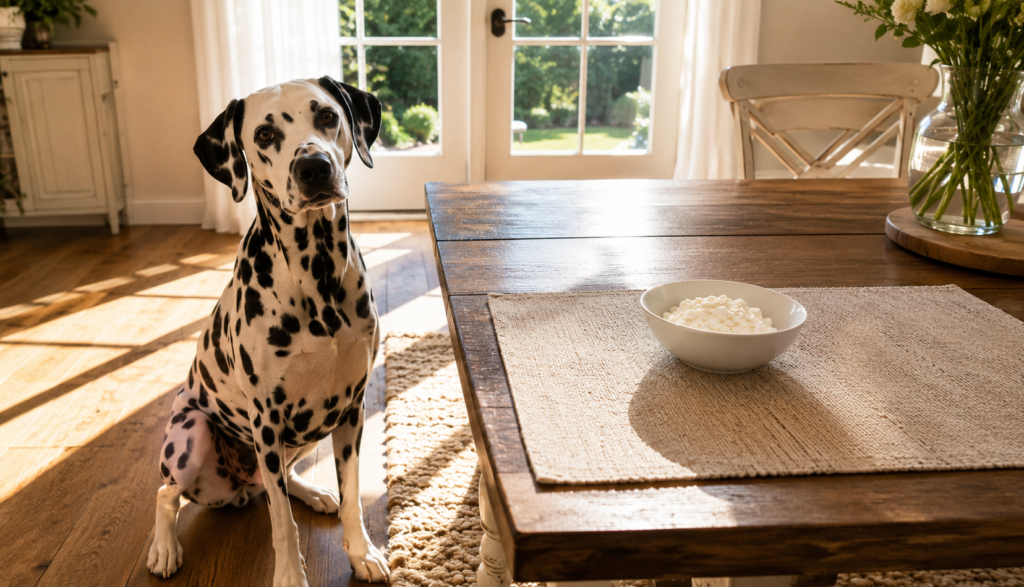
Cottage cheese is one of the most vet-friendly dairy foods for dogs — lower in lactose than most dairy, high in protein, and often recommended as part of a bland diet for digestive recovery.
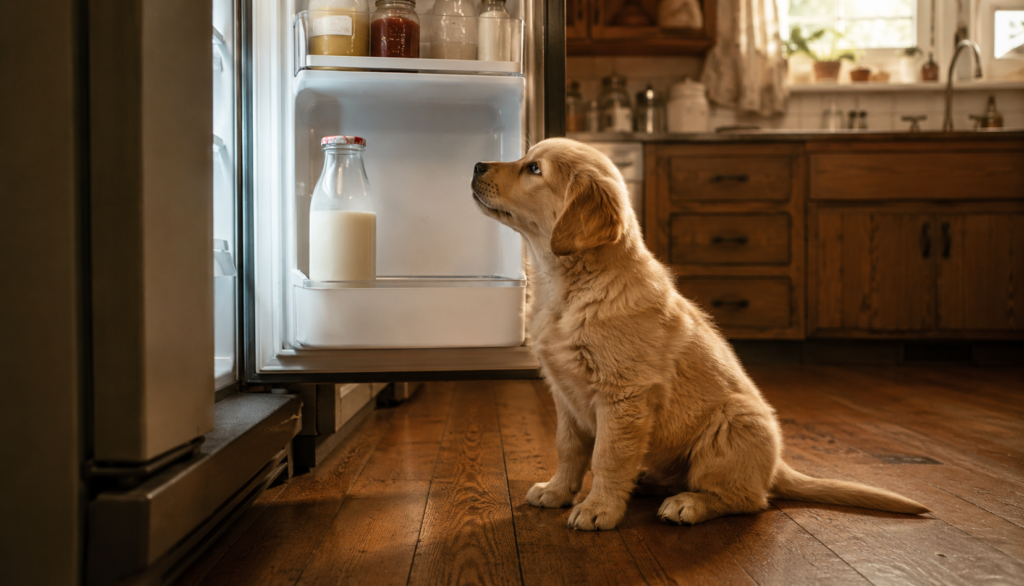
Most adult dogs are lactose intolerant and struggle to digest cow milk properly, making diarrhea, bloating, and gas the common outcome even from small amounts served occasionally.
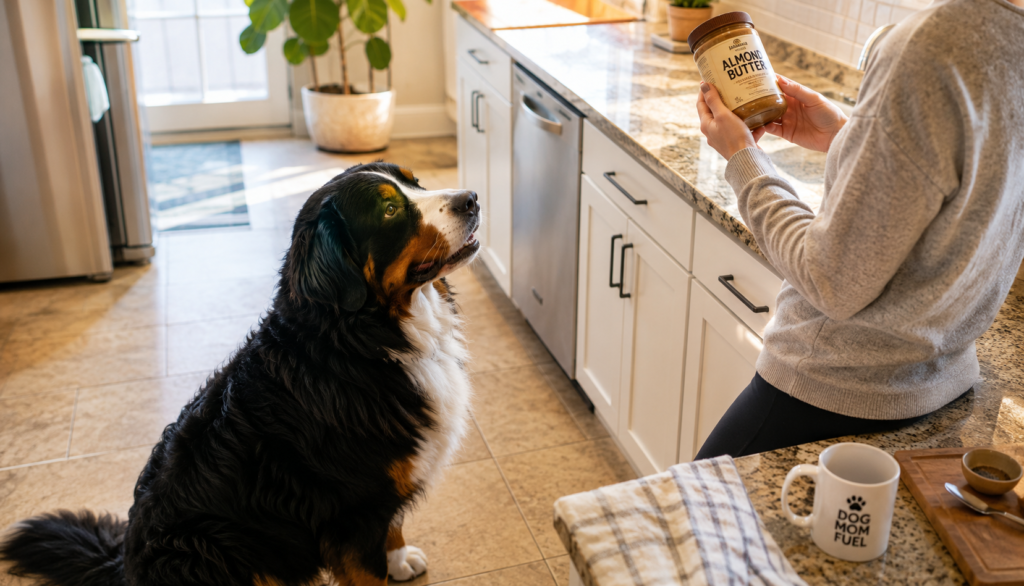
Plain xylitol-free almond butter is technically safe in tiny amounts, but xylitol in sugar-free varieties causes fatal liver failure, making label-checking non-negotiable before every single serving.