

Most dogs can eat plain crackers in small amounts without immediate harm, but crackers are not a healthy or necessary addition to a dog’s diet. The real concerns are sodium content, added seasonings, and the fact that crackers offer little to no nutritional value for dogs. Understanding which crackers are safer than others — and which ones to avoid entirely — helps you make better decisions if your dog snags one off the counter or begs during snack time.
Are Crackers Safe for Dogs?
Plain, unsalted crackers are generally safe for dogs to eat in small quantities on an occasional basis. However, “safe” does not mean “beneficial.” Crackers are a refined carbohydrate snack made primarily from white flour, oil, and salt. They offer minimal fiber, vitamins, or protein, which means they provide calories without meaningful nutrition. For an occasional bite, most healthy adult dogs will be fine. The bigger issue arises with flavored, seasoned, or heavily salted varieties, which can pose real risks depending on the ingredients and the amount consumed.
Types of Crackers and Their Risk Level
| Cracker Type | Risk Level | Notes |
|---|---|---|
| Plain saltine crackers | Low (in small amounts) | High sodium per serving; fine occasionally, not regularly |
| Graham crackers | Moderate | Contains added sugar and sometimes cinnamon; not toxic but not ideal |
| Ritz or butter crackers | Moderate | Higher fat and sodium content than plain varieties |
| Cheese crackers (e.g. Goldfish) | Moderate to High | Often contain onion or garlic powder seasoning |
| Animal crackers | Low to Moderate | Similar to graham crackers; sugar content is the main concern |
| Flavored or seasoned crackers | High | May contain garlic powder, onion powder, or excessive salt |
| Whole wheat or whole grain crackers | Low | Better fiber content than white flour versions |
Why Sodium Is the Main Concern
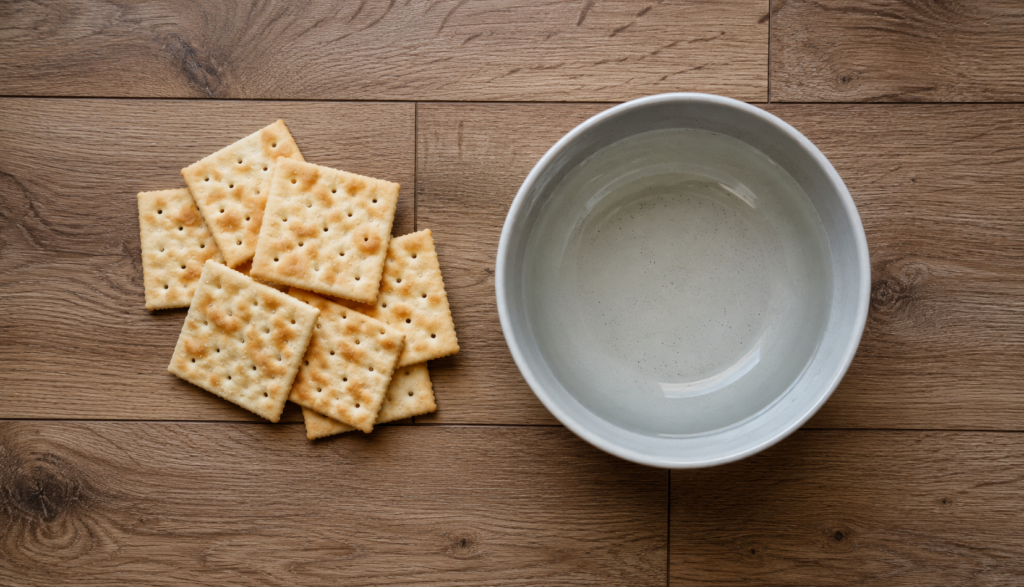
Crackers are typically high in sodium relative to their size. A dog’s daily sodium needs are far lower than a human’s, and repeated exposure to salty snacks can contribute to increased thirst, dehydration, and in extreme cases, sodium ion poisoning. Sodium ion poisoning is uncommon from a small handful of crackers but becomes a real risk if a dog consumes a large quantity at once, such as getting into an entire sleeve or box. Symptoms of excessive salt intake include excessive thirst, vomiting, diarrhea, lethargy, and in severe cases, tremors or seizures. Dogs with existing heart or kidney conditions are more vulnerable to sodium-related complications and should avoid salty snacks altogether.
Seasoned and Flavored Crackers Are Riskier
Many flavored crackers, including cheese-flavored varieties, contain onion powder or garlic powder as part of their seasoning blend. Both onion and garlic are toxic to dogs and can damage red blood cells, potentially leading to hemolytic anemia with repeated or large exposure. Always check the ingredient label before sharing any seasoned cracker with your dog. If garlic powder or onion powder appears anywhere on the list, skip it entirely. Ranch-flavored, barbecue-flavored, and other heavily seasoned crackers should also be avoided since they combine multiple risk factors: high sodium, added fats, and artificial flavoring compounds not meant for canine digestion.
What Most People Don’t Know
Many dog owners assume that because saltine crackers are sometimes recommended for humans with upset stomachs, they must be similarly soothing for dogs. This is a misconception. Dogs do not process bland human snack foods the same way, and crackers offer no digestive benefit to a dog with an upset stomach — a plain, boiled chicken and rice diet is far more appropriate for that purpose. Additionally, many people don’t realize that graham crackers often contain a small amount of cinnamon and sometimes honey, which are not dangerous but do add unnecessary sugar to a dog’s diet over time. Repeated small indulgences like this can quietly contribute to weight gain, especially in smaller breeds where calorie margins are tight. Another overlooked detail: some “reduced sodium” or “low sodium” cracker varieties still contain more salt per serving than dog owners expect, since the reduction is relative to the standard version, not to a dog-appropriate baseline.
How Many Crackers Can a Dog Safely Eat?
There’s no official standard serving size for crackers since they aren’t a recommended part of a dog’s diet, but as a general guideline, a small dog should have no more than one plain cracker occasionally, while a medium to large dog could tolerate two to three plain crackers without issue. This should be treated as a rare exception, not a regular treat. If your dog has a history of pancreatitis, kidney disease, heart disease, or is on a sodium-restricted diet, crackers should be avoided entirely, and you should consult your veterinarian about safer alternatives.
What to Do If Your Dog Eats a Lot of Crackers
If your dog gets into a large quantity of crackers, such as an entire sleeve or box, monitor them closely for signs of excessive thirst, vomiting, diarrhea, bloating, or lethargy over the next 24 hours. Provide access to fresh water to help offset the sodium load. If the crackers were a seasoned or flavored variety containing garlic or onion powder, or if your dog shows any concerning symptoms, contact your veterinarian or an animal poison control hotline right away. Bring the cracker packaging with you if possible so the ingredient list is available for reference.
Healthier Alternatives to Crackers

If you want to share a crunchy snack with your dog, consider healthier options that provide actual nutritional benefit. Plain rice cakes, small pieces of unsalted whole wheat toast, dehydrated sweet potato chews, or commercial dog biscuits formulated specifically for canine digestion are all better choices. These alternatives avoid the sodium and seasoning concerns associated with crackers while still satisfying a dog’s desire for a crunchy texture.
Frequently Asked Questions
Q. Can dogs eat saltine crackers?
A. Yes, in small amounts. Plain saltine crackers are not toxic, but their sodium content means they should only be given occasionally and never as a regular snack.
Q. Can dogs eat goldfish crackers?
A. Goldfish crackers are cheese-flavored and often contain seasoning blends that may include onion or garlic powder. It’s best to check the ingredient label, and generally safer to avoid giving them to your dog.
Q. What happens if my dog eats a whole sleeve of crackers?
A. A large quantity can lead to excessive sodium intake, causing symptoms like increased thirst, vomiting, or diarrhea. Monitor your dog closely and contact your veterinarian if symptoms appear or worsen.