
Can Dogs Eat Kale? (Safe Amount & Risks)
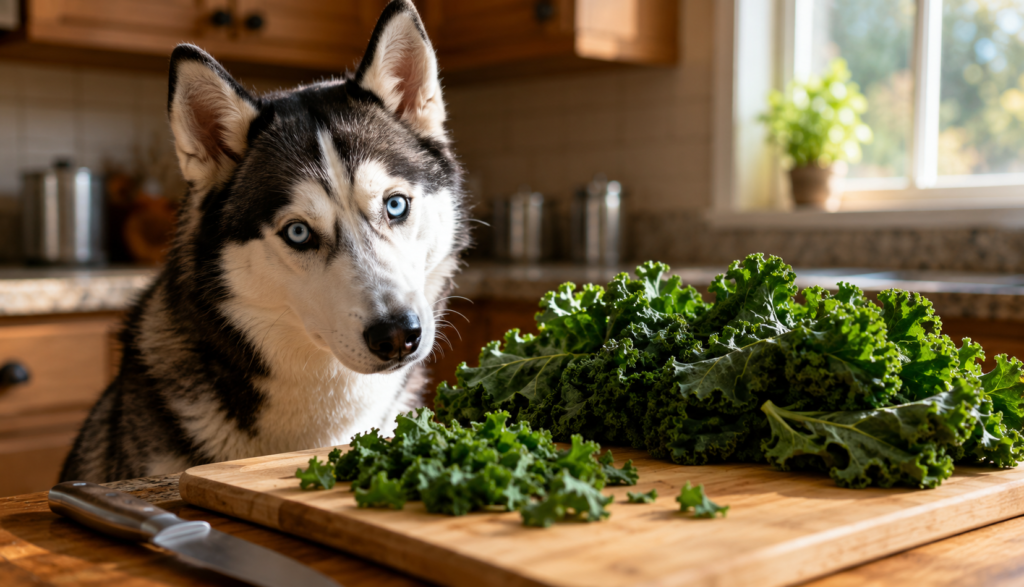
Kale is safe for dogs in small amounts, offering vitamins and calcium, but its oxalate content makes moderation essential, especially for dogs with existing kidney health concerns overall.
Kale is safe for dogs in small amounts, offering vitamins and calcium, but its oxalate content makes moderation essential, especially for dogs with existing kidney health concerns overall.
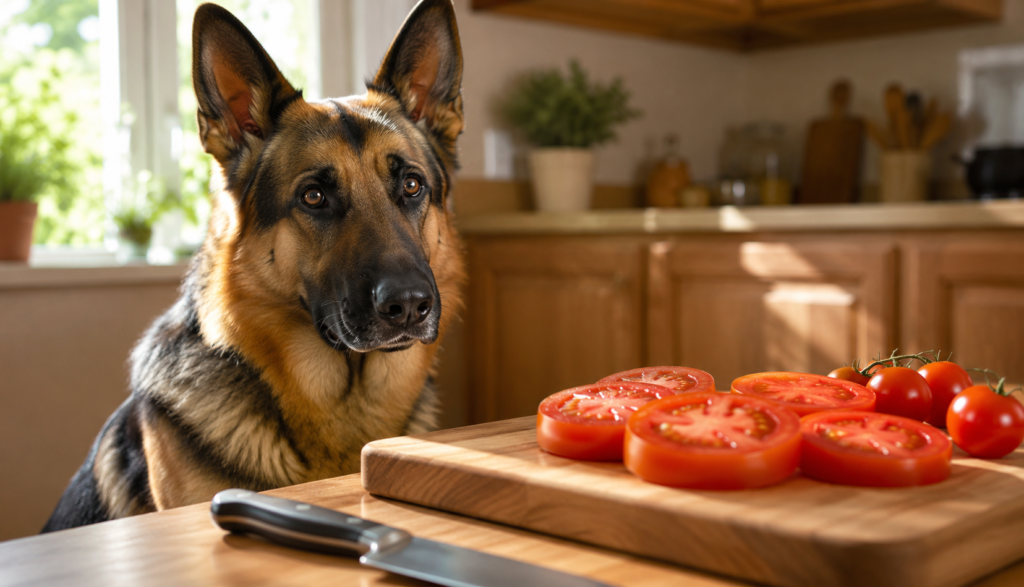
Ripe tomatoes are safe for dogs in small amounts, but green tomatoes, leaves, and stems contain solanine, a toxic compound that can cause serious poisoning symptoms in dogs.
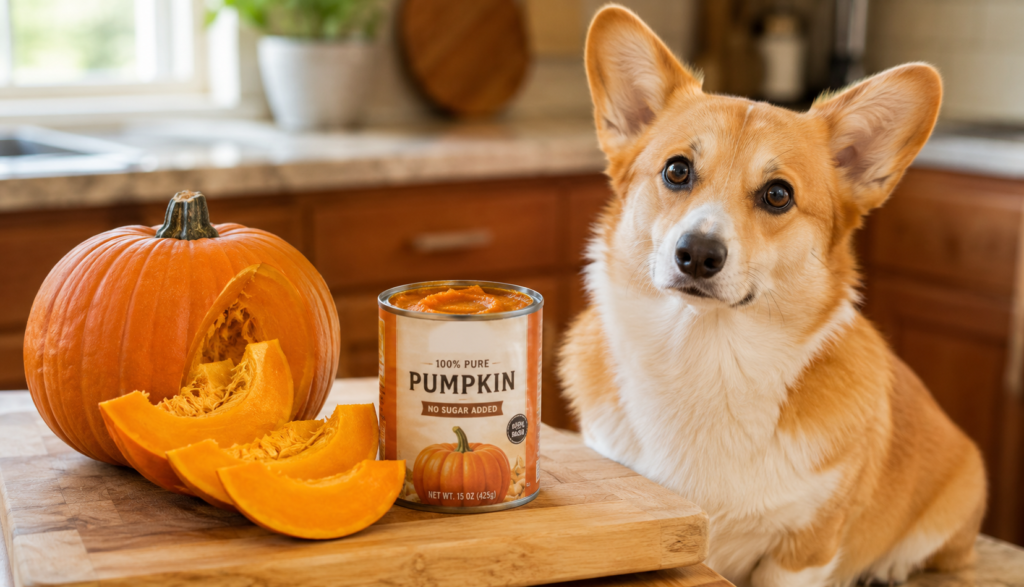
Pumpkin is one of the most vet-recommended foods for dogs, especially for digestive issues, but canned pie filling, raw seeds, and proper portions still need careful attention always.
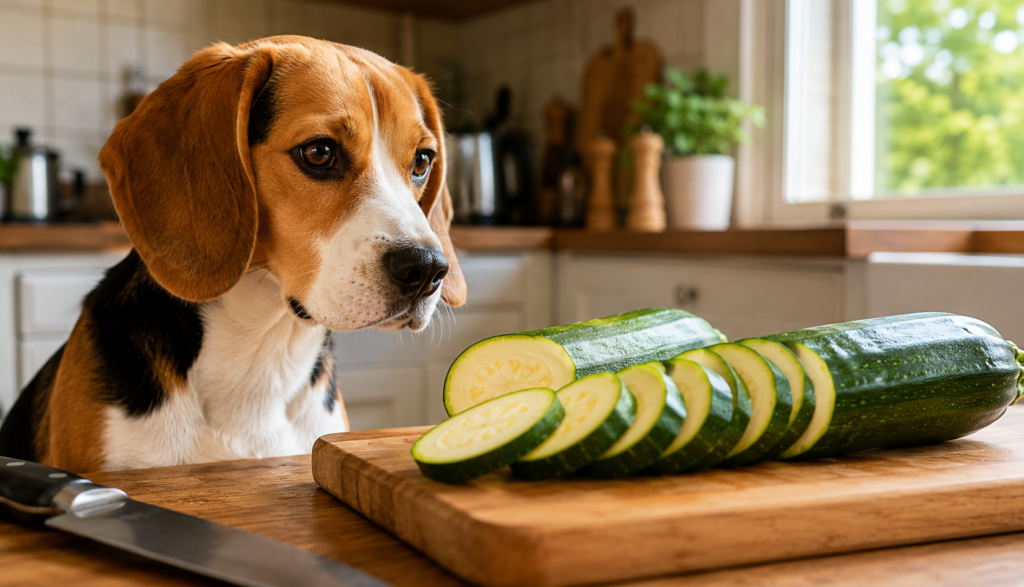
Zucchini is one of the safest, most hydrating vegetables for dogs, low in calories and easy to digest, though zucchini bread and seasoned preparations should always be avoided.
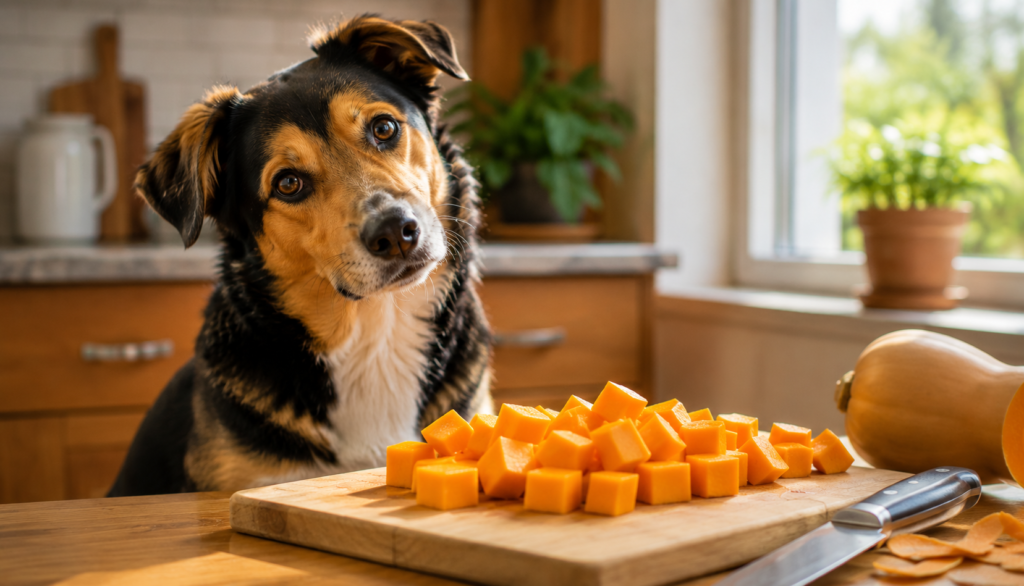
Butternut squash is one of the safest, most vet-recommended vegetables for dogs, offering fiber and vitamin A, though seeds, skin, and proper cooking still require some basic attention.
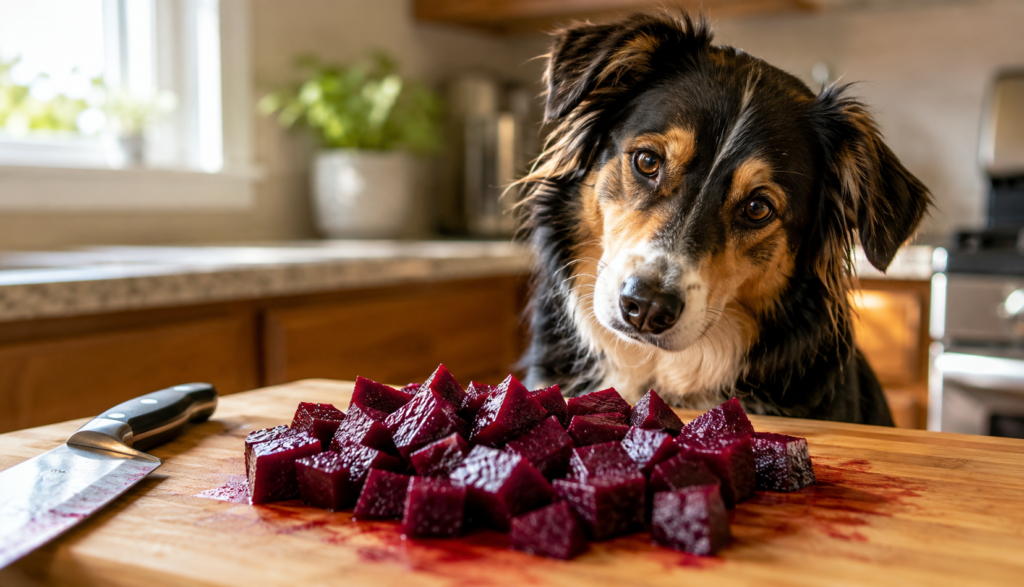
Beets are safe for dogs when cooked and given in small amounts, offering fiber and nutrients, though harmless red-tinted urine and stool can understandably alarm many unsuspecting owners.
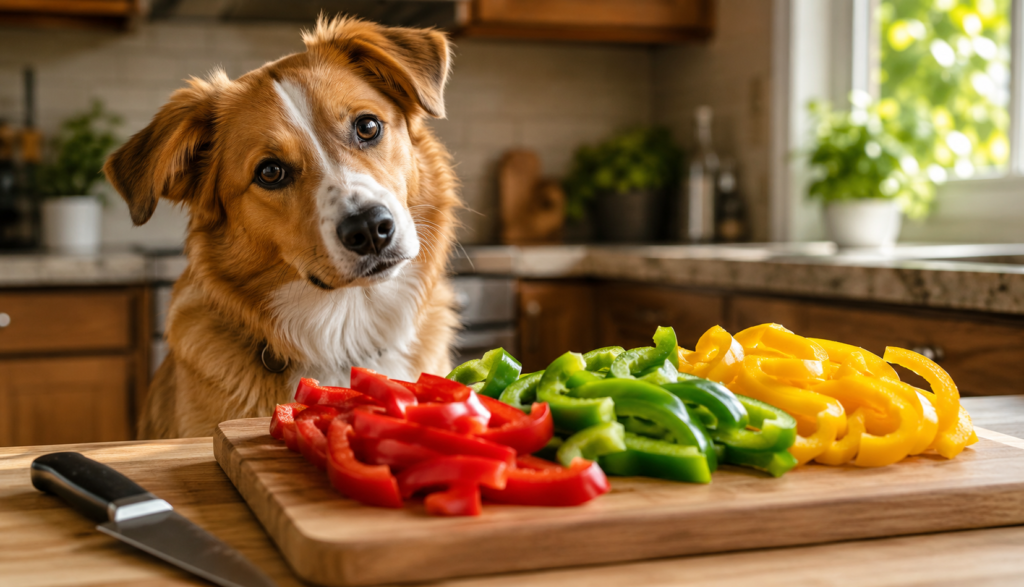
Bell peppers are safe for dogs in small amounts, packed with vitamin C and antioxidants, but seeds, stems, and any confusion with spicy peppers still need careful attention.
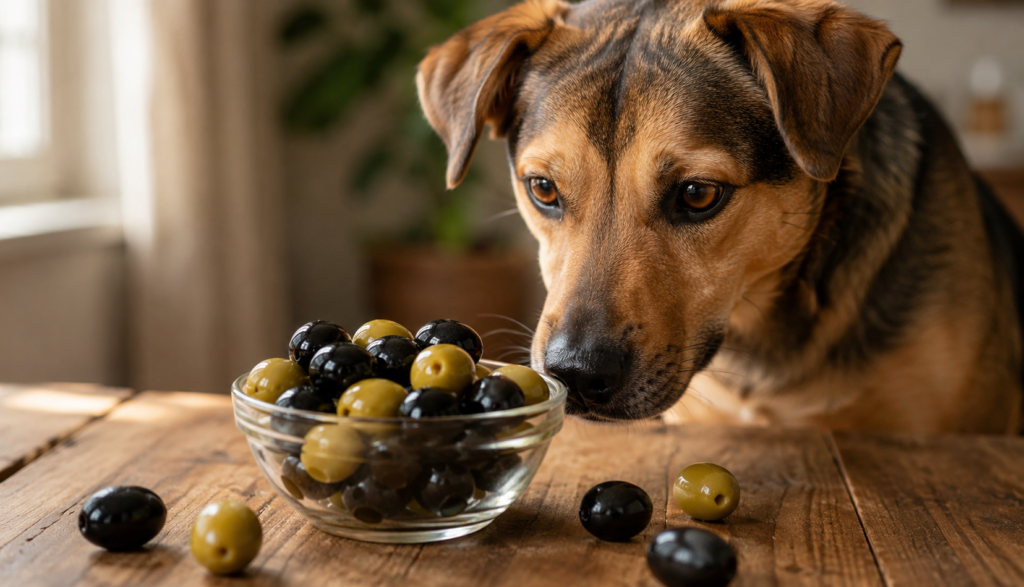
Plain olives are safe for dogs in small amounts, but pits, high sodium content, and stuffed varieties with garlic make most olives riskier than most people often assume.
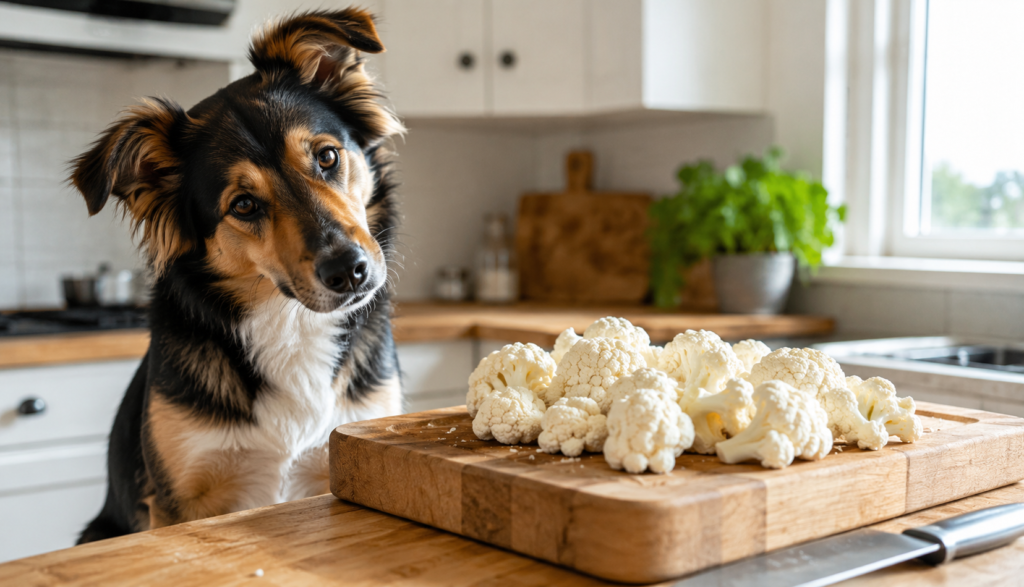
Cauliflower is safe for dogs in small amounts, offering fiber and vitamin C, but overfeeding this cruciferous vegetable often leads to uncomfortable gas, bloating, and stomach upset afterward.
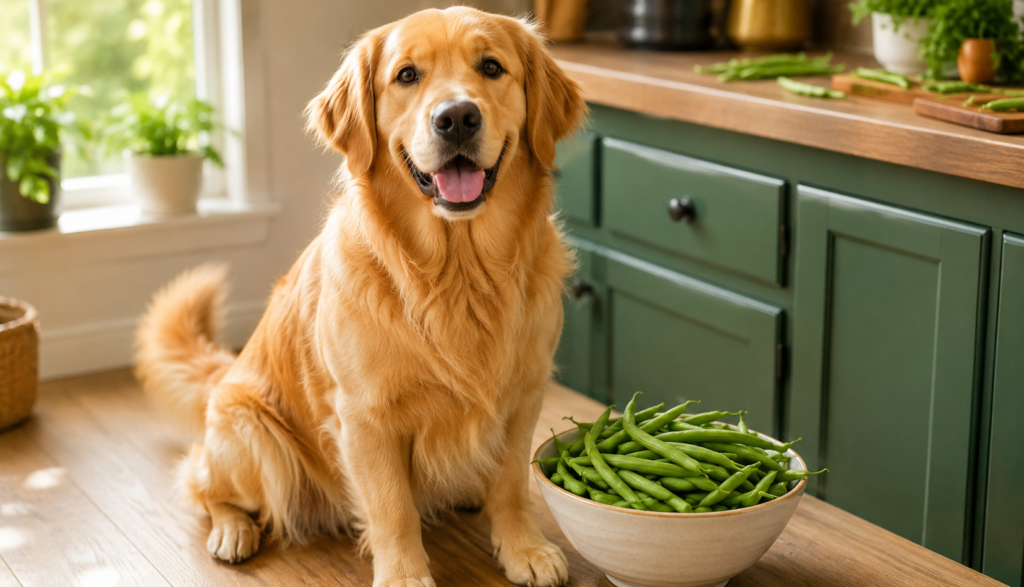
Green beans are a vet-approved, low calorie treat for dogs, especially useful for weight management, but plain preparation and proper portions still matter every time you serve them.
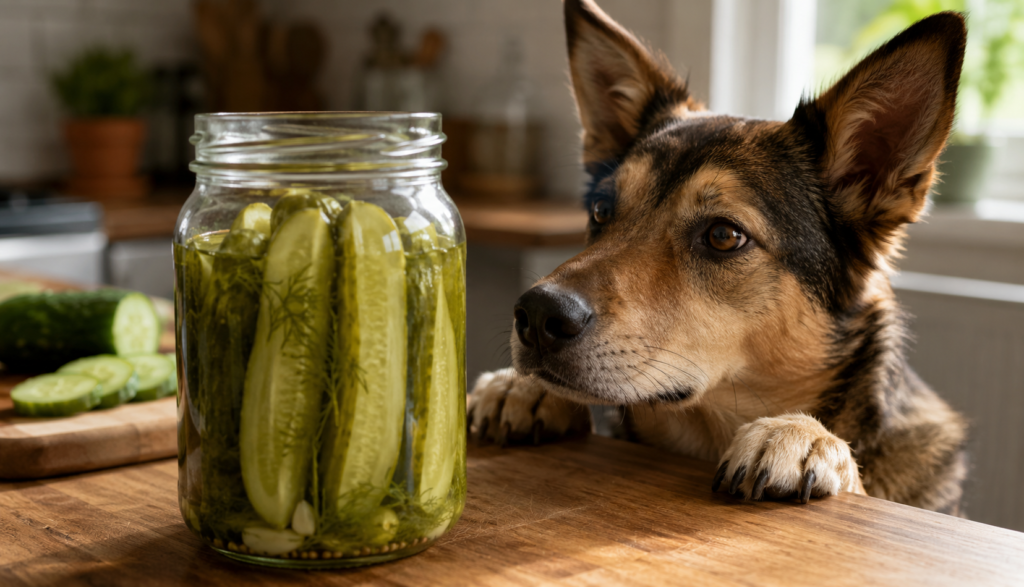
Pickles aren’t toxic to dogs, but the high sodium content and ingredients like garlic and onion make most store-bought pickles a treat that’s better skipped than shared regularly.
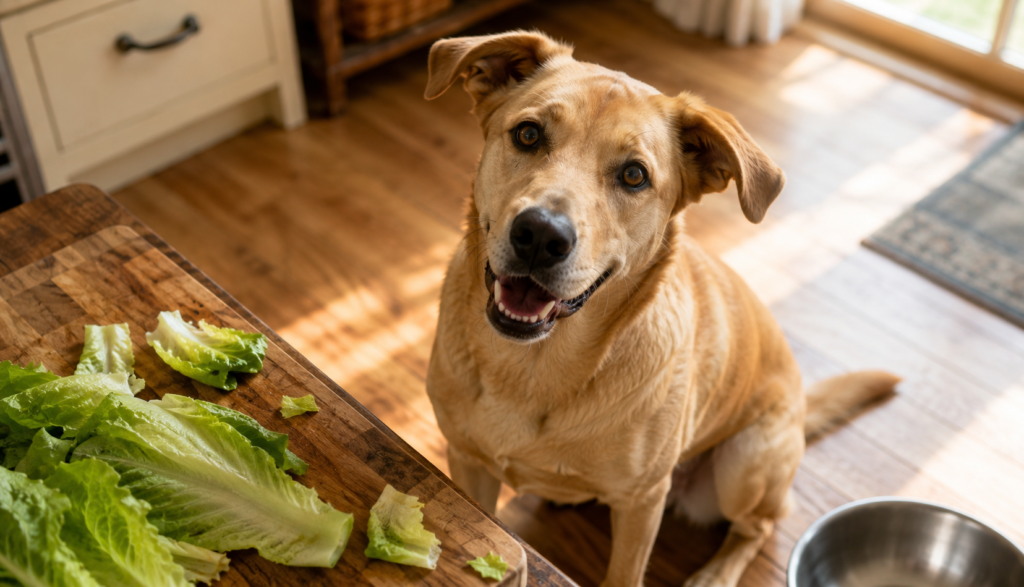
Lettuce is safe for dogs in small amounts, offering hydration and fiber, but it needs washing, proper prep, and zero dressing, oil, or seasoning mixed into the leaves.