
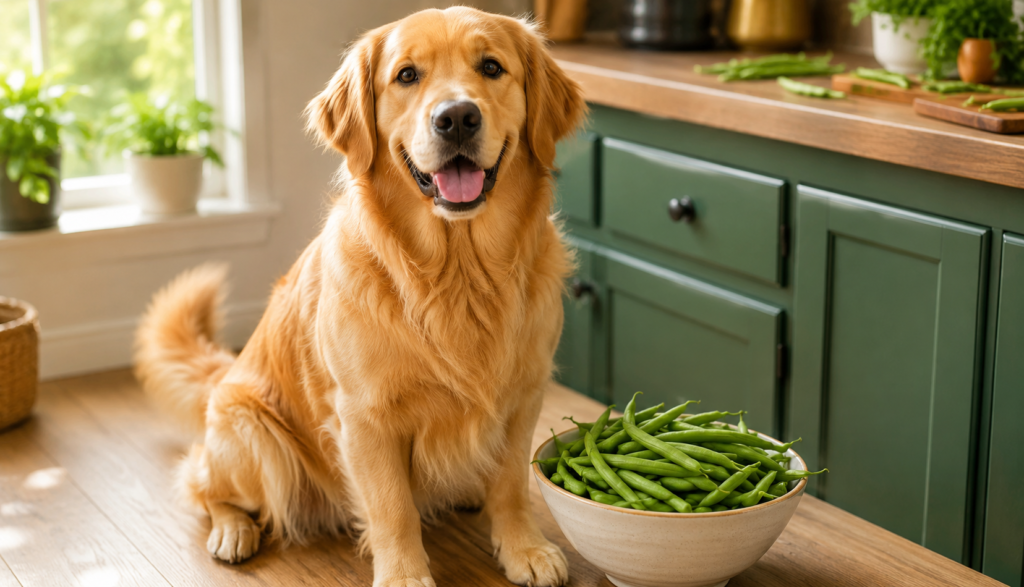
A vet once told me to swap half my dog’s regular food with plain green beans during a weight check, and I remember thinking it sounded too simple to actually work. It worked. That conversation is what got me genuinely curious about green beans for dogs beyond just “are they safe,” because it turns out this is one of the rare human foods vets actively recommend rather than just tolerate. Green beans are safe for dogs, low in calories, and surprisingly useful for owners managing an overweight dog. The real value here isn’t just safety, it’s what green beans can actually do for your dog’s diet when used correctly.
Are Green Beans Safe for Dogs?
I’ve seen this firsthand across multiple dogs of different sizes: green beans are one of the most consistently well-tolerated vegetables you can offer. They’re not toxic, they don’t carry hidden risks like onions or grapes, and most dogs handle them without any digestive upset at all.
Plain green beans, whether raw green beans, steamed green beans, or frozen green beans, are all generally fine. The safety question really comes down to preparation rather than the bean itself, since green beans in their natural state are about as low risk as vegetables get.
Vets frequently list green beans among the small handful of human foods they’re comfortable recommending outright, which says a lot compared to the long list of foods that come with caveats.
The Green Bean Diet Trend
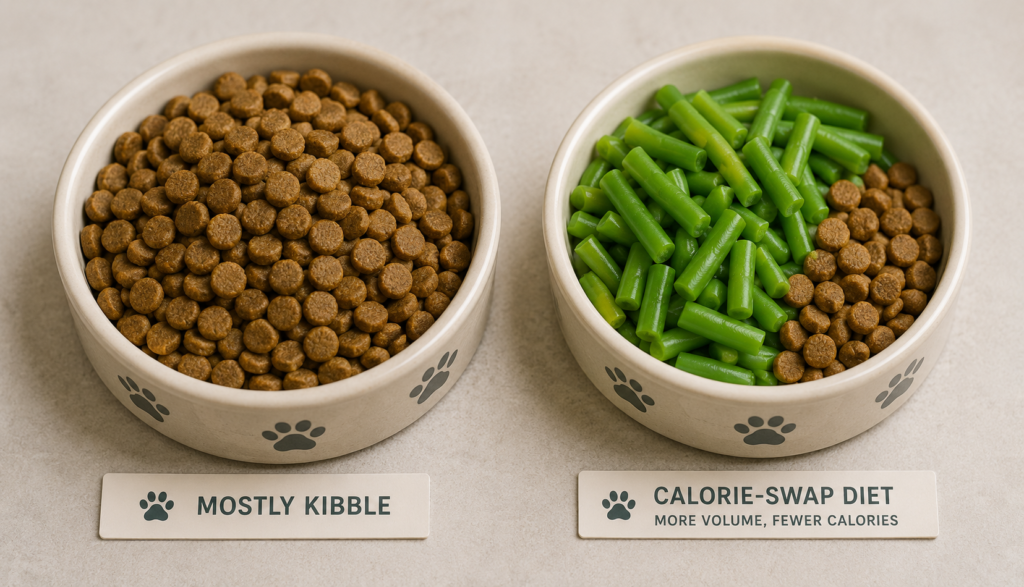
Most dog owners miss this completely: the so-called “green bean diet” isn’t some internet myth, it’s a real, vet-endorsed weight loss approach for overweight dogs. The method involves gradually replacing a portion of regular kibble with plain green beans, which lowers total calorie intake while still giving the dog volume and a feeling of fullness.
This works because green beans are extremely low calorie relative to their size, meaning a dog can eat a satisfying portion without taking in nearly as many calories as the same volume of kibble would provide. Combined with fiber content that supports digestion, it’s a genuinely sound weight management tool.
This approach should always be done under a vet’s guidance rather than as a casual DIY diet swap, since sudden changes in food volume and macronutrient balance can affect dogs differently depending on their health status.
Raw vs Cooked vs Canned
The first time I dealt with this question from a reader, the canned version came up immediately, and for good reason. Canned green beans are loaded with added sodium content as a preservative, which makes them a poor choice compared to fresh or frozen options unless you rinse them thoroughly first.
Raw green beans are perfectly fine for most dogs and retain the most nutrients, though some dogs find them easier to chew when steamed slightly. Steamed green beans soften the texture without stripping away much of the vitamin c or vitamin k content.
Frozen green beans sit somewhere in between, convenient and nutritionally similar to fresh, as long as you avoid the seasoned or butter-coated varieties marketed for human side dishes.
Nutritional Benefits
What surprised me was just how favorable the calorie-to-nutrition ratio actually is. Green beans deliver real fiber, vitamin c, and vitamin k, while staying remarkably low calorie compared to almost any other treat option on the market.
This nutrient combination supports healthy digestion and contributes modestly to overall dog nutrition, especially as an occasional treat layered into an otherwise balanced diet rather than a meal replacement.
For senior dogs managing weight alongside joint or mobility issues, this kind of low calorie, high volume snack can make portion control far easier without leaving the dog feeling deprived at treat time.
What Most People Don’t Know
Here’s the detail that surprises most owners: the “green bean diet” trend actually originated from veterinary weight-loss protocols, not internet pet culture, despite how it spread online. Several veterinary clinics have used green bean substitution as a structured short-term tool for obese dogs who needed calorie reduction without losing satiety. It’s not a gimmick, it’s a borrowed clinical technique that happened to go viral, which is part of why it has held up so well compared to most pet diet trends.
How to Prepare Them Safely
From experience, the smarter call is to always serve green beans plain, with nothing added. No butter, no salt, no seasoning blends meant for human side dishes, since those introduce exactly the kind of sodium content and fat that defeats the whole point of using green beans as a low calorie treat.
Cutting larger beans into smaller pieces reduces any choking hazard, particularly for smaller dogs or fast eaters who tend to gulp food without much chewing.
If using canned green beans, a thorough rinse under water removes a meaningful portion of the added sodium, though fresh or frozen will always be the lower-effort, lower-risk choice overall.
Risks and Things to Watch For
I’ve watched this go wrong mostly with canned varieties, where owners assume “green bean” automatically means safe regardless of preparation. Salt content in canned beans can add up quickly if served regularly without rinsing, particularly for dogs with existing heart or kidney conditions.
Overfeeding any vegetable, including green beans, can lead to mild digestive upset or diarrhea, especially if introduced suddenly rather than gradually. Starting with a small amount and monitoring your dog’s reaction is always the safer approach.
If symptoms persist or worsen, a vet visit is always the right call, but for the vast majority of dogs, plain green beans served in reasonable portions cause no issues whatsoever.
Frequently Asked Questions
Q. Can dogs eat green beans every day?
A. Yes, in moderate amounts, plain green beans can be given daily as part of a vet-supervised weight management plan or simply as a regular low calorie treat for most healthy dogs.
Q. Are canned green beans bad for dogs?
A. Canned green beans aren’t toxic, but the added sodium content makes them less ideal than fresh or frozen unless thoroughly rinsed before serving to your dog.
Q. Can puppies eat green beans?
A. Puppies can have small, plain pieces of cooked or steamed green beans occasionally, though portions should stay small while their digestive systems are still developing.