
Dog Diarrhea With Mucus: Normal or Worry Sign?
A thin coat of mucus is normal, but heavy or recurring mucus can signal colitis, parasites, or IBD — here’s how to tell the difference.
A thin coat of mucus is normal, but heavy or recurring mucus can signal colitis, parasites, or IBD — here’s how to tell the difference.
Most dog diarrhea resolves in 24–48 hours, but timing and warning signs matter. Here’s the full recovery timeline and when to call the vet.
A dosage-driven guide to using plain canned pumpkin for dog diarrhea — how much by weight, how fast it works, and when it’s time to call the vet instead.
A medication-focused guide to dog diarrhea — which OTC drugs carry risk (and why), what vets actually prescribe, and when to skip medicine for home care instead.

A practical, vet-informed guide to what to give a dog with diarrhea at home — the bland diet, what to avoid, and the red flags that mean it’s time for a vet visit instead.
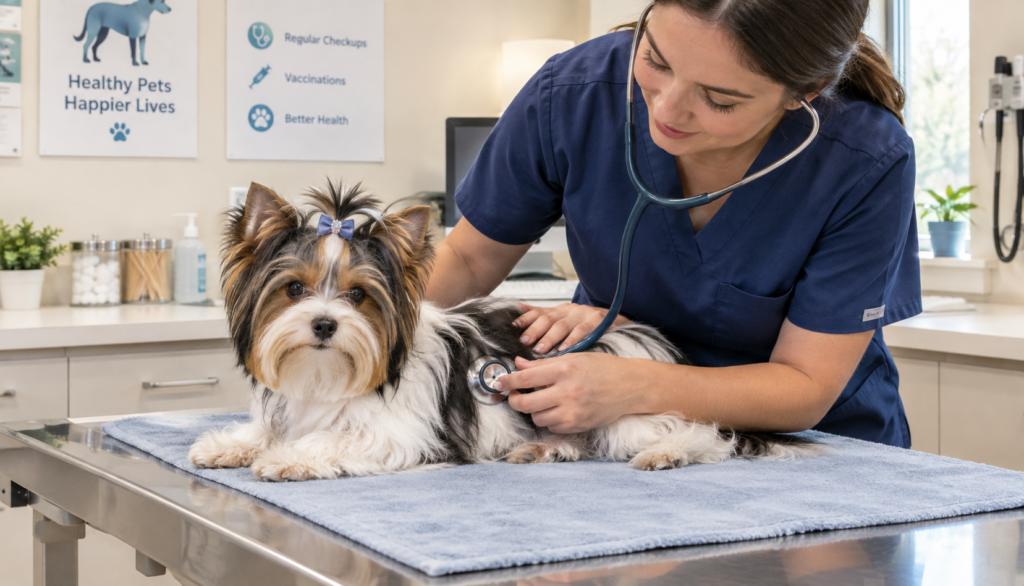
Blood in your dog’s diarrhea can mean minor stress colitis or a real emergency. Here’s how to tell the difference and what to do next.

Diarrhea has a long list of possible causes — from a simple trash raid to parasites or underlying illness. Here’s how to tell which one you’re dealing with.
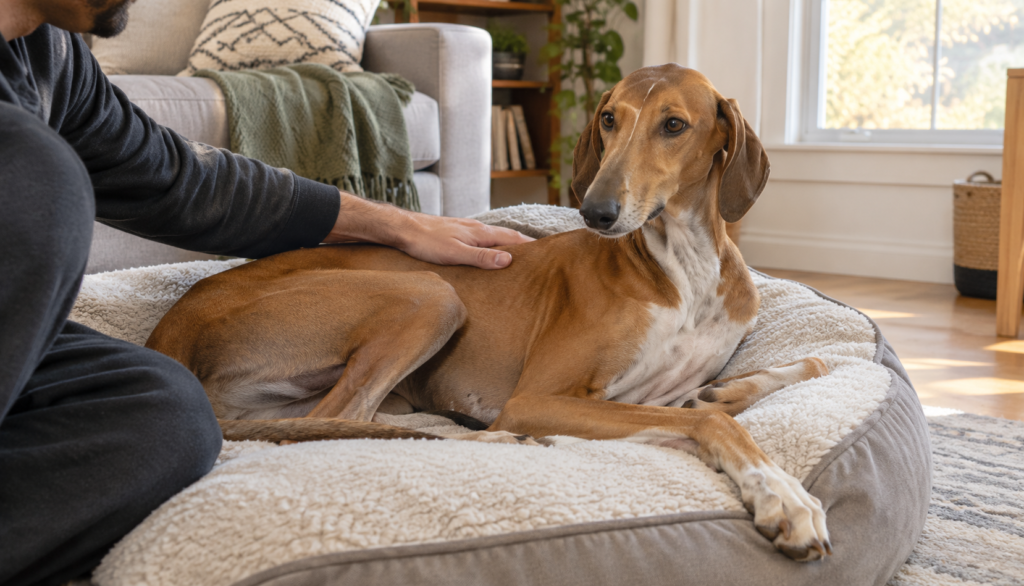
A step-by-step guide to stopping dog diarrhea at home safely — bland diet, remedies that work, and the red flags that mean it’s vet time instead.
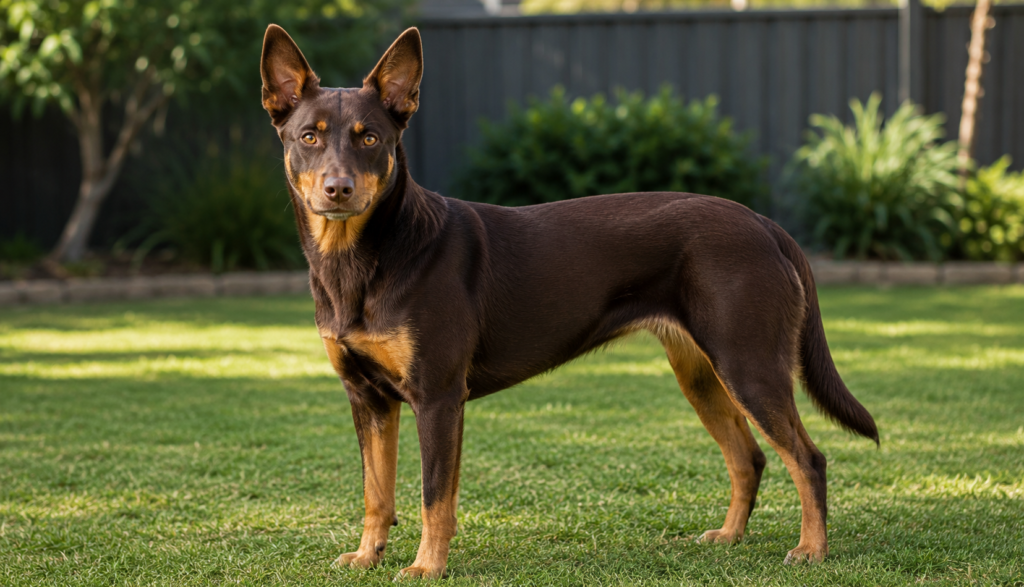
A single loose stool in an otherwise happy, eating dog is usually low-concern — but a few specific red flags mean it’s time to call the vet.
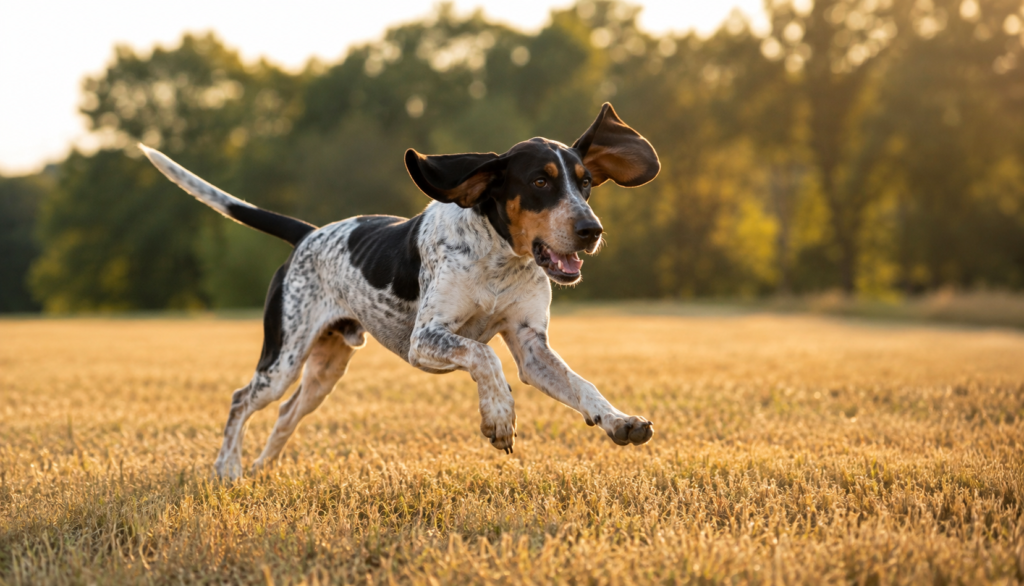
The “multiply by 7” rule is wrong. Here’s the real, size-adjusted dog-to-human age conversion chart, backed by aging science.
The average dog lives 10–13 years, but small breeds often outlive giants by nearly a decade. Here’s the full breed-by-breed breakdown and what actually affects it.

A curated list of 250+ cute dog names spanning classic favorites, tiny-breed picks, food and dessert names, fluffy textures, and more — plus tips for choosing the one that fits.