
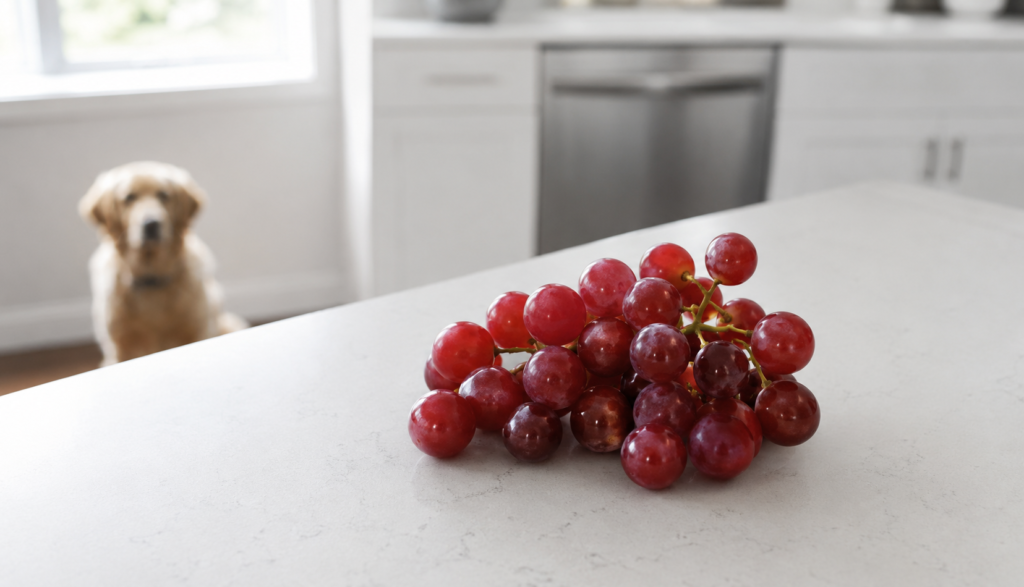
There are foods dogs shouldn’t eat, and then there are foods that can kill them. Grapes fall into the second category, and the gap between “my dog grabbed one off the floor” and a life-threatening emergency is smaller than most people understand. I’ve spoken with enough dog owners who didn’t know this — and a few who found out the hard way — that I treat grape toxicity as one of the most critical things any dog owner needs to have locked in. Can dogs eat grapes? No. Not one. Not seedless grapes, not peeled grapes, not a small piece. Grapes and dogs do not mix under any circumstances, and the same goes for raisins, grape juice, and anything else derived from the fruit.
Why Grapes Are Toxic to Dogs
Grape toxicity in dogs is real, well-documented, and — frustratingly — still not fully understood. Veterinary researchers have studied this for decades, and the specific compound in grapes that causes kidney failure in dogs has never been definitively isolated. That unknown is actually what makes it more dangerous, not less. Because we don’t know what the toxic component is, there’s no threshold that’s been established as safe. No dose has been proven harmless.
What is known is that grape ingestion triggers acute kidney injury in dogs. The kidneys stop filtering waste efficiently, toxins accumulate in the bloodstream, and without fast intervention the damage becomes irreversible. Some dogs have eaten a handful of grapes and developed severe kidney failure. Others have eaten more and shown milder symptoms. That inconsistency isn’t reassuring — it means you can’t predict how your dog will respond, which makes treating every grape exposure as a potential emergency the only logical position.
The first time I dealt with this, it was a raisin in a cookie that a child dropped on the floor. The dog had it before anyone could react. That one raisin sent us to an emergency vet for observation overnight. Raisins are dried grapes — concentrated — and are considered even more dangerous per gram than fresh grapes. Grape juice and wine grapes carry the same risk. There is no form of grape that’s safe for dogs.
Most dog owners miss this completely: grape seed extract, found in some supplements, is also on the avoid list. The research isn’t settled on whether the seed specifically carries the toxin, but given what’s at stake, keeping dogs away from all grape products is the standard veterinary recommendation.
Symptoms of Grape Poisoning to Watch For
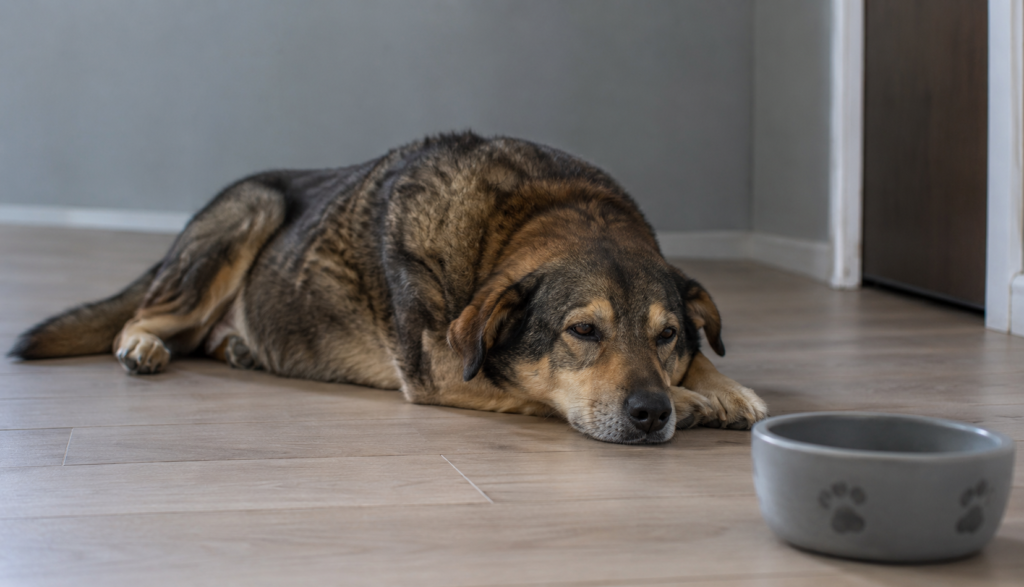
Symptoms of grape poisoning can begin within a few hours of ingestion or take up to 24 hours to appear. The delayed onset is one of the reasons this toxicity causes so much harm — owners sometimes wait to see how the dog does, losing the window where early treatment makes the most difference. Knowing what to watch for is critical, but acting before symptoms appear is smarter.
Vomiting in dogs is typically the first sign — often within a couple of hours of eating grapes. This is actually the body trying to expel the toxin, and it’s sometimes used as a guide for when to induce vomiting under vet direction. Lethargy in dogs follows shortly after, along with loss of appetite and abdominal pain. The dog may seem reluctant to move, disinterested in food or water, and visibly uncomfortable when the belly is touched.
What surprised me was how quickly the later-stage symptoms escalate. Decreased urination — or complete cessation of urination — signals that the kidneys are shutting down. At that stage, treatment is significantly harder and outcomes are less predictable. Increased thirst followed by no urination at all is a red flag that requires emergency vet attention immediately.
Other signs include weakness, tremors, and in severe cases, seizures. These indicate systemic toxin buildup and represent advanced kidney failure. Dogs that reach this stage without intervention are in serious danger. If you’re seeing any of these signs of poisoning after a dog has eaten grapes or raisins, call your vet or an animal poison control line without waiting to see if it gets worse.
What to Do If Your Dog Eats Grapes
Speed is everything here. If you know or suspect your dog has eaten grapes or raisins — even one — call your vet immediately. Don’t wait for symptoms. Don’t monitor at home for an hour to see what happens. The window for the most effective treatment is narrow, and early intervention dramatically changes the outcome. This is one of those situations where acting before you’re sure beats waiting until you’re certain.
Your vet may instruct you to induce vomiting at home before bringing the dog in, depending on how recently the grapes were eaten and the dog’s current condition. They’ll walk you through how to do this safely if it’s appropriate. Do not attempt to induce vomiting without veterinary guidance — in some situations it can cause additional harm.
At the clinic, treatment for grape poisoning typically involves activated charcoal to limit absorption of the toxin, IV fluids to flush the kidneys and support function, and monitoring of kidney values through blood work over 48 to 72 hours. If the kidneys are already showing signs of acute kidney injury, more intensive support becomes necessary. Recovery time varies widely — some dogs bounce back within a few days of treatment; others face longer recovery or lasting kidney damage if treatment was delayed.
From experience, the smarter call is always to call first and ask questions on the way to the clinic rather than researching at home while the clock runs. Vet immediately is not an overcautious response to grape ingestion — it’s the correct one.
What Most People Don’t Know
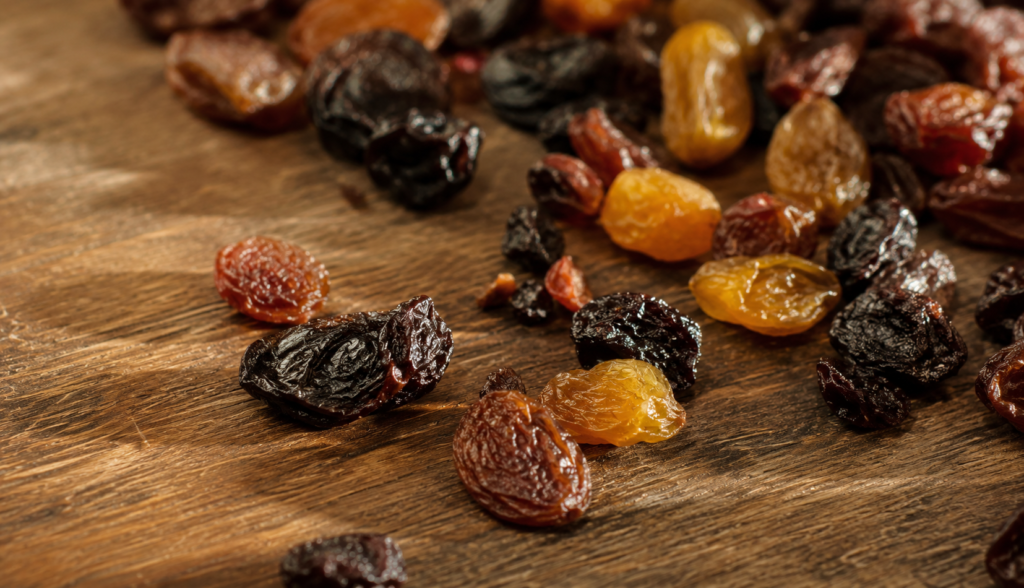
The most dangerous misconception about grape toxicity in dogs is the idea that the amount matters. Owners who’ve seen their dog eat a grape and appear fine conclude that small amounts are tolerable. That logic is wrong, and it’s wrong in a way that puts dogs at serious risk. There is no established safe amount. A dog that survived eating grapes once isn’t immune — it got lucky, or the toxic dose wasn’t reached that time, or the symptoms were mild and attributed to something else.
Currants — small dried fruits often found in baked goods and cereals — are in the same botanical family and carry the same risk. Many owners who know to keep grapes away from dogs have never heard that currants are equally dangerous for dogs. A currant scone, a fruit cake, a muesli bar — any of these can contain enough currants to trigger the same kidney damage pathway as grapes. Read ingredient labels on anything baked that your dog might access.
Raisins and dogs are a particularly high-risk combination during the holidays, when raisin-containing foods are everywhere — bread puddings, fruit cakes, trail mix left on coffee tables. If symptoms persist or worsen after any exposure to grapes, raisins, or currants, a vet visit is always the right call. The same zero-tolerance rule applies to cherry pits and plum pits — different toxin, same “don’t risk it” approach. Don’t let normalcy bias convince you the dog will be fine.
Safe Fruit Alternatives for Dogs
The instinct to share fruit with a dog is a good one — many fruits genuinely benefit a dog’s diet when served correctly. The issue isn’t fruit in general; it’s this specific category. Keeping grapes away from dogs doesn’t mean removing fruit from their life. There are plenty of safe options that offer real nutritional value without the risk.
Blueberries are one of the best swaps — small, antioxidant-rich, and most dogs eat them enthusiastically. Watermelon, with seeds removed and rind discarded, works well in warm weather as a hydrating treat. Apple slices with the core and seeds removed are another solid choice. Banana in small amounts adds potassium and natural sweetness. Mango, pineapple, and pear — all properly prepared — round out a safe fruit rotation.
I’ve found that dogs who get varied treats don’t fixate on any single food, which makes it easier to keep dangerous for dogs items out of the picture entirely. If the dog is used to being offered different fruits on rotation, there’s less pressure on owners to share whatever they’re eating in the moment — which is usually how grape accidents happen in the first place.
The rule that applies across all fruit: research before offering anything new, remove seeds and pits as a default, and keep portions moderate. Poisonous to dogs foods like grapes are the exception that makes the general rule worth taking seriously.
Frequently Asked Questions
Can dogs eat one grape safely?
No. There is no established safe amount of grapes for dogs. Even one grape can potentially trigger kidney damage in some dogs. If your dog has eaten a grape, contact your vet immediately rather than waiting to see if symptoms appear.
How quickly do symptoms of grape poisoning appear in dogs?
Vomiting typically appears within a few hours of grape ingestion. Other symptoms like lethargy, loss of appetite, and decreased urination can take up to 24 hours. Do not wait for symptoms — call your vet as soon as you know the dog has eaten grapes.
Are raisins more dangerous than grapes for dogs?
Yes. Raisins are dried grapes, meaning the toxic compound is more concentrated per gram. Raisins are considered more dangerous than fresh grapes by weight and should be kept completely away from dogs.
What should I do if my dog ate grapes an hour ago?
Call your vet immediately or contact the ASPCA Animal Poison Control Center at 888-426-4435. Your vet may recommend inducing vomiting before you bring the dog in. Do not wait for symptoms to develop.
Are seedless grapes safe for dogs?
No. The toxic compound in grapes is not in the seeds — seedless grapes are just as dangerous to dogs as seeded varieties. No type or preparation of grape is safe for dogs to eat.
Can grape poisoning in dogs be treated successfully?
Yes, if caught early. Dogs treated promptly with induced vomiting, activated charcoal, and IV fluids often recover fully. Delayed treatment significantly worsens outcomes. Early intervention is the single most important factor.
Are currants as dangerous as grapes for dogs?
Yes. Currants are in the same plant family as grapes and carry the same toxicity risk. They’re commonly found in baked goods, cereals, and trail mixes. Check ingredient labels on any food your dog might access.