
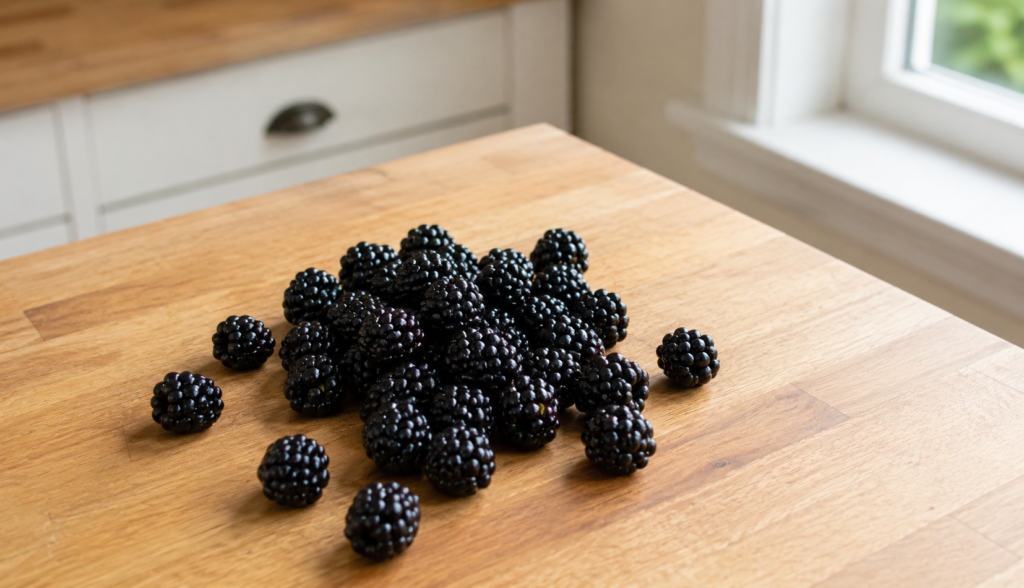
Blackberries are one of the few fruits where the answer comes with almost no caveats. No pit to remove, no toxic seeds to fish out, no complicated preparation standing between the fruit and the dog. I keep fresh blackberries in the fridge through summer specifically because they’re the easiest safe treat to grab when a dog is underfoot while I’m eating. Can dogs eat blackberries? Yes — and they’re genuinely one of the better fruit options available, not just a harmless indulgence. The main thing to manage is quantity, because too many blackberries at once will cause the same digestive upset any high-fiber fruit does when a dog eats more than their system handles comfortably.
Why Blackberries Are One of the Best Fruits for Dogs
Fresh blackberries sit near the top of the safe fruit list for dogs on nutritional merit, not just safety. The antioxidant content in blackberries is among the highest of any commonly available fruit — higher than blueberries by some measures — and those antioxidants do real work neutralizing free radicals that contribute to cellular aging, inflammation, and chronic disease. For dogs eating a standard commercial diet, adding antioxidant-dense whole foods like blackberries makes a meaningful difference over time.
Vitamin C and vitamin K are both present in useful amounts in fresh blackberries. Vitamin C supports immune function and collagen synthesis, while vitamin K plays a critical role in blood clotting and bone metabolism. Omega 3 fatty acids — rarely discussed in the context of fruit — are also found in blackberries in small but genuine quantities, adding a mild anti-inflammatory benefit on top of everything else. It’s an unusually complete nutritional profile for something as simple as a berry.
The fiber content in blackberries supports healthy digestion without the intensity that some higher-fiber vegetables create. Blackberries for dogs work particularly well as a digestive support treat for dogs that run slightly sluggish in that department — the soluble fiber feeds beneficial gut bacteria and the insoluble fiber adds bulk that keeps things moving. I’ve seen this make a noticeable difference in dogs with mild chronic constipation when blackberries were added consistently a few times a week.
Blackberries are also a low calorie treat in the most literal sense — a single blackberry is roughly two calories. For overweight dogs being managed on a reduced-calorie diet, that caloric profile means you can give a small handful without meaningfully impacting daily intake. The sweetness and variety they provide makes treat time feel normal for the dog even when everything else in the diet is being restricted.
What to Actually Watch Out For
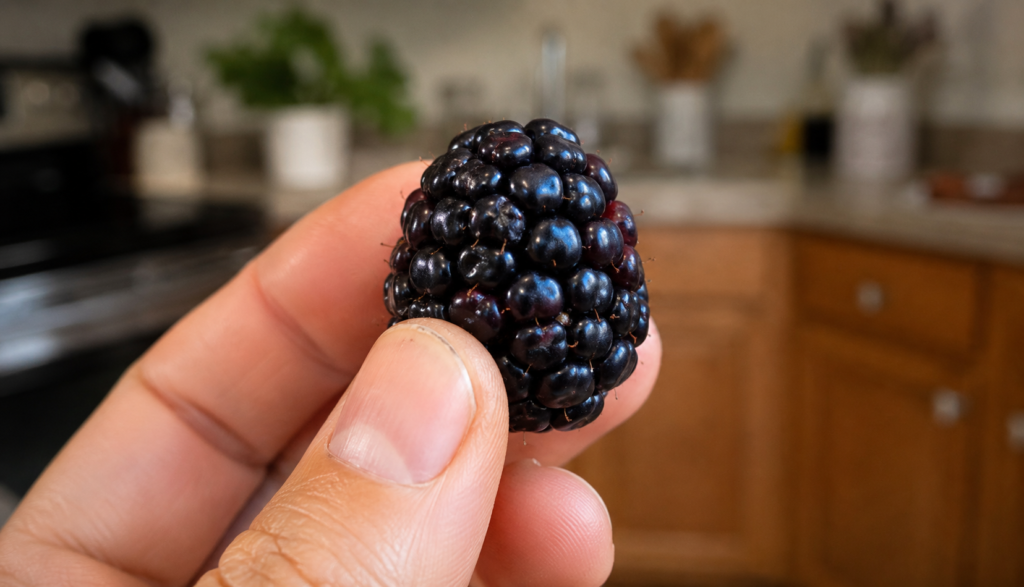
Blackberries don’t have the same preparation concerns as stone fruits or fruits with toxic seeds, but that doesn’t mean they’re completely without consideration. The main issue is volume. Too many blackberries at once — and “too many” varies by dog size — leads to digestive upset, loose stools, and diarrhea. Not because blackberries are harmful, but because the fiber and natural sugar hitting the digestive system faster than it can process produces a predictable result.
Blackberry seeds are the other point that comes up. The seeds inside blackberries are small and soft — nothing like apple seeds or cherry pits — and they don’t contain cyanide compounds. Dogs eat them without any issue in normal serving amounts. The seeds are not a removal concern the way hard fruit seeds are. The only scenario where seeds become relevant is in very large quantities, where the cumulative fiber load from the seeds combined with the fruit pulp could contribute to digestive discomfort. In normal portions, they’re a non-issue.
Most dog owners miss this completely: xylitol has nothing to do with fresh blackberries, but it does appear in blackberry-flavored products — yogurts, jams, flavored treats, and packaged snacks. Fresh blackberries are entirely safe; processed blackberry products need label checks before going anywhere near a dog. The fruit itself never contains xylitol — only manufactured products do, and only some of them. Read labels on anything blackberry-flavored that isn’t the whole fruit.
Wild blackberries are the one area worth pausing on. Blackberries themselves are safe, but wild blackberry plants grow alongside other plants that aren’t — including nightshade varieties and other toxic species whose berries can look superficially similar to blackberries. A dog foraging in the garden or on a walk is not making careful botanical distinctions. If your dog has access to a garden with wild berries, knowing exactly what’s growing there matters more than knowing that blackberries specifically are safe.
How Many Blackberries Dogs Can Have
Portion control with blackberries is more relaxed than with higher-sugar fruits like mango or peach, but it still matters. The natural sugar in blackberries is lower than in most other fruits, which gives some flexibility — but the high fiber content means large quantities still produce digestive upset even when the sugar load isn’t the issue.
For small dogs, three to five blackberries per serving is a sensible amount. Medium dogs can handle eight to ten without issue. Large breeds can manage a small handful — around fifteen or so — in a single serving. These aren’t hard limits in the way that a toxic threshold would be, but they represent the range where benefits stay ahead of digestive risk for most dogs. Feed blackberries a few times a week rather than daily, and don’t pile them on top of other high-fiber fruits in the same sitting.
I’ve seen this firsthand with a Labrador who discovered a bowl of blackberries left at counter height. She ate through most of a punnet before anyone noticed — probably forty or fifty berries. No toxicity concern, but the next morning was unpleasant for everyone involved. The fruit was fine; the volume was the problem, and it’s an easy mistake to make with a fruit that seems completely harmless at first glance.
Puppy safety follows the same logic as with other fruits — start small, one or two blackberries, and watch for any digestive reaction before making them a regular treat. Senior dogs generally handle blackberries well given the soft texture and the absence of any preparation hazard, which makes them one of the easier fruits to recommend for older dogs who need gentle, accessible treats.
Serving Blackberries to Dogs the Right Way

Blackberries require almost no preparation compared to other dog-safe fruits, which is part of what makes them so practical. Rinse fresh blackberries under cold water, check that none are damaged or moldy — which can cause stomach upset regardless of the fruit — and serve them whole for medium and large dogs. For very small dogs or puppies, halving them reduces any minor choking concern from the size of a large berry, though whole blackberries are generally fine for any dog above toy breed size.
Frozen blackberries work exactly as well as fresh ones for dogs. Freeze a batch on a flat tray, transfer to a bag, and pull out a portion as needed. The cold temperature slows dogs down, the texture is interesting, and frozen blackberries keep far longer than fresh without any nutritional loss. In warm weather, frozen blackberries alongside frozen mango or cantaloupe chunks make a varied and genuinely refreshing treat rotation that requires almost no effort to maintain.
From experience, the smarter call is to keep a bag of frozen blackberries as a staple year-round rather than relying on fresh availability. Fresh blackberries are seasonal and expensive outside of peak season; frozen are available consistently, cost less, and perform identically as a dog treat. Plain blackberries served simply — no yogurt, no honey, no added anything — is always the right base approach.
Mixing blackberries into a plain Greek yogurt serving is a popular option and works well for dogs that enjoy the combination. The probiotic content of the yogurt adds a digestive benefit, and the yogurt tempers the intensity of the berry flavor for dogs that find plain blackberries too tart. Make sure the yogurt contains no xylitol or added sugar before using it as a base — plain, unsweetened Greek yogurt only.
What Most People Don’t Know
The assumption most dog owners carry is that all berries follow the same safety rules. That assumption is dangerous. Blackberries are safe; several other berries that grow wild or in gardens are not. Holly berries, mistletoe berries, juniper berries, and yew berries are all toxic to dogs and can cause serious harm. Baneberry, pokeweed, and nightshade berries are lethal. A dog foraging freely in a garden or on a rural walk is capable of eating any of these without hesitation.
The practical takeaway isn’t to avoid blackberries — it’s to understand that “blackberries are safe” doesn’t extend to a general rule that berries are safe. Each variety needs individual verification, and the safe list is shorter than most people assume. Blueberries and blackberries are the two most commonly available safe options. Strawberries and raspberries are also safe in moderate amounts. Everything outside that short list warrants specific research before a dog gets anywhere near it.
Immune support from consistent blackberry inclusion is something most owners don’t think about because they’re approaching fruit as a treat rather than a dietary tool. The antioxidant density in blackberries is high enough that regular inclusion genuinely contributes to long-term health outcomes — particularly for senior dogs whose immune systems are managing more stress than younger animals. If symptoms persist or worsen after your dog eats blackberries, a vet visit is always the right call.
Building a Berry Rotation That Works
Blackberries are most useful when they’re part of a deliberate berry rotation rather than an occasional random treat. Blueberries, blackberries, and raspberries each bring a slightly different antioxidant and vitamin profile, and rotating between them across a week delivers broader nutritional coverage than relying on any single berry. The preparation logic is identical across all three — rinse, serve whole or halved for small dogs, manage portions — so adding variety creates no additional work.
Strawberries fit into the rotation too, though they require removing the green tops and are higher in natural sugar than the darker berries. Including them once or twice a week alongside blackberries and blueberries rounds out the berry side of a fruit treat schedule without introducing anything that requires different handling rules.
Safe fruits for dogs become most valuable when they’re used with some intention rather than just grabbed randomly. A dog that gets blackberries on Monday, blueberries on Thursday, and a few strawberry pieces on the weekend is getting consistent antioxidant and fiber support across the week. That consistency — across fruit types, portion sizes, and preparation standards — is what separates a treat rotation that genuinely supports health from one that’s just occasionally handing over something that isn’t harmful.
FAQ

Q. How many blackberries can a dog eat?
A. Small dogs should have three to five blackberries per serving. Medium dogs can handle eight to ten. Large breeds can manage around fifteen. Serve a few times a week rather than daily — the fiber content means large amounts at once can cause digestive upset.
Q. Are blackberry seeds safe for dogs?
A. Yes. Blackberry seeds are small, soft, and do not contain cyanide compounds like apple or peach seeds do. Dogs eat them without issue in normal serving amounts. No need to remove them before serving.
Q. Can dogs eat wild blackberries?
A. Blackberries themselves are safe, but wild blackberry plants grow near other plants whose berries are toxic to dogs. If your dog forages in the garden or on walks, make sure you can positively identify what they’re eating before assuming it’s safe.
Q. Can puppies eat blackberries?
A. Yes, in small amounts. Start with one or two blackberries and watch for any digestive reaction before making them a regular treat. Puppies have more sensitive digestive systems than adult dogs, so introduce new foods gradually.
Q. Are frozen blackberries safe for dogs?
A. Yes. Frozen blackberries are just as safe and nutritious as fresh ones. Freeze a batch on a tray and store in a bag for year-round use. Most dogs enjoy the cold texture, and frozen blackberries keep far longer than fresh without any nutritional loss.
Q. Can blackberries cause diarrhea in dogs?
A. Yes, if too many are given at once. The fiber and natural sugar in large quantities of blackberries can cause loose stools and diarrhea. Stick to appropriate portion sizes for your dog’s size and the issue won’t arise.
Q. Are blackberries better for dogs than blueberries?
A. Both are excellent choices. Blackberries are slightly higher in fiber and omega 3 fatty acids. Blueberries are slightly lower in sugar. Rotating between both gives a broader nutritional range than relying on either one alone.