
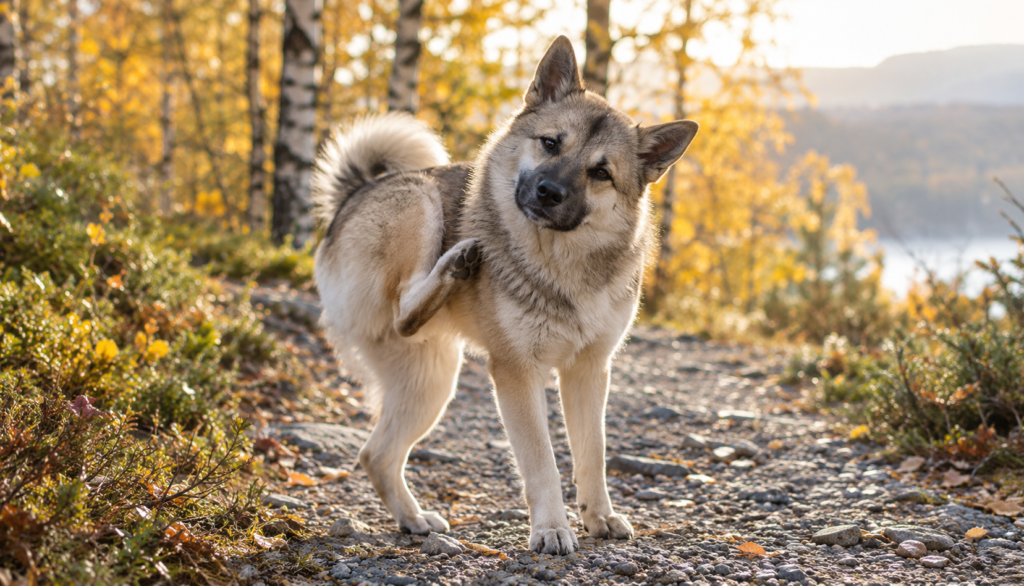
Few things send a dog owner searching at midnight like a pup who will not stop shaking their head and digging at one ear. The first instinct is usually to look for a home remedy for dog ear infection problems, something already in the kitchen cabinet that will stop the itching fast. The internet is full of suggestions, from apple cider vinegar to coconut oil to hydrogen peroxide, and many of them sound harmless. Some are. Several are not, and a few can turn a manageable problem into a painful, expensive one.
This guide sorts the dog ear infection home remedy advice into what is genuinely safe, what is useless, and what can do real damage. It also explains how to tell a minor wax problem from a true infection, how to clean your dog’s ears properly, and the signs that mean home care has run out of road and it is time for a vet.
Can You Treat a Dog Ear Infection at Home?
The honest answer is that you can support a mild ear problem at home, but you generally cannot cure an established infection with household products. A true dog ear infection means yeast, bacteria, or both are growing deep in a canal that is shaped like the letter L. That shape traps heat, moisture, and debris, and anything you pour in from the top rarely reaches the bottom of the bend where the infection lives.
There is a second problem. You cannot tell by looking whether the eardrum is intact, and that matters enormously. If the eardrum is damaged, liquids that are harmless in a healthy ear can reach the middle ear and cause hearing loss, balance problems, or lasting nerve damage. Only a vet with an otoscope can check this. So the sensible way to think about home care is as a supporting role: gentle cleaning, comfort, and prevention, while a vet handles the diagnosis and the medication.
That said, plenty of ear trouble in dogs is mild. A little extra wax, ears that are damp after a swim, or occasional scratching can all be managed at home with the right approach. The key is knowing which situation you are actually in.
Dog Ear Infection Symptoms: When It Is Normal vs. When to Worry
When It Is Normal
Healthy dog ears have very little odor and only a small amount of light tan wax. A single head shake after a bath, a bit of wax on a cotton ball, or a few seconds of scratching are not signs of infection. Dogs with healthy ears also tend to tolerate having them touched without flinching.
When to Worry
Dog ear infection symptoms usually build over a day or two and become hard to miss. Watch for repeated head shaking, constant scratching at the ears, redness inside the ear flap, and a head held tilted to one side. The dog ear infection smell is often the biggest giveaway: musty, sweet, sour, or sometimes like corn chips when yeast is involved. Dog ear discharge is another clear signal, and it may look dark brown and waxy, yellow, or greenish and thick.
Pain is the other sign people overlook. A dog with a sore ear may yelp when you touch the area, pull away, rub the side of the face along the carpet, or become grumpy about being petted near the head. Some dogs even chew more slowly because moving the jaw hurts the inflamed canal.
If you notice discharge, a bad smell, or obvious discomfort that lasts longer than a day or two, treat it as a real infection rather than a wax problem. Home remedies are not the right first step at that point.
Home Remedies for Dog Ear Infection: What Works and What Does Not
Here is a quick verdict on the most common suggestions. The table gives the short version, and the sections that follow explain the reasoning so you can make an informed call for your own dog.
| Home Remedy | Verdict | Why |
|---|---|---|
| Warm compress on the outside of the ear | Safe | Soothes discomfort without entering the canal |
| Vet-approved dog ear cleaner | Safe if the eardrum is intact | Loosens wax and debris; made for a dog’s ear pH |
| Drying the ears after swimming or bathing | Safe | Removes the moisture yeast and bacteria need |
| Gentle wipe of the visible outer ear | Safe | Clears surface wax without pushing it deeper |
| Apple cider vinegar | Not recommended | Acidic; stings and burns raw, inflamed skin |
| Hydrogen peroxide | Avoid | Damages tissue and leaves moisture behind |
| Coconut oil or olive oil | Not recommended | Can trap moisture and feed yeast; no proof it cures infection |
| Tea tree oil | Avoid | Toxic to dogs, even in small amounts |
| Garlic oil | Avoid | Garlic is harmful to dogs |
| Baking soda, witch hazel, rubbing alcohol | Avoid | Irritating, drying, and painful on sore skin |
Notice how short the safe list is. That is not a coincidence. The ear canal is lined with delicate skin, and when it is inflamed, almost anything that is not formulated for dog ears makes things worse.
Safe Home Care for Mild Ear Problems
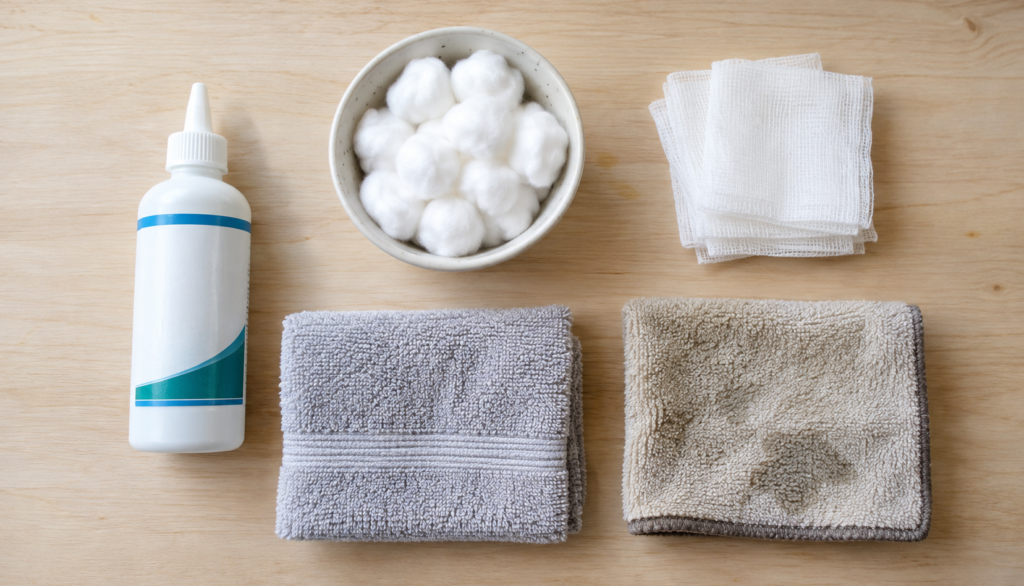
If your dog has a bit of wax or mild irritation and no discharge, odor, or pain, a few gentle steps are reasonable. Start with a warm compress held against the outside of the ear for a few minutes. A clean washcloth soaked in warm water and wrung out is enough. It will not treat an infection, but it can ease soreness and help you see how the ear looks.
Next, consider a dog ear cleaning solution that is labeled for canine use. These products are designed to loosen wax and debris and to match the natural pH of a dog’s ear canal, which is why they are a better choice than anything improvised from the kitchen. Ask your vet to recommend one, especially if your dog has had ear problems before, because some cleansers are not safe if the eardrum is damaged.
Plain saline can be used to rinse the outer ear in a healthy dog, but flushing a sore or smelly ear at home is unwise. Forcing liquid into an inflamed canal can push debris deeper and make the pain worse.
Finally, stop your dog from making things worse. Constant scratching can bruise the ear flap and lead to an ear hematoma, a painful blood-filled swelling that often needs surgery. If your dog will not leave the ear alone, a soft recovery cone can protect it until you can get advice.
Home Remedies to Avoid
Apple Cider Vinegar for Dog Ears
Apple cider vinegar for dog ears is probably the most repeated remedy online. The theory is that acid discourages yeast and bacteria. In practice, vinegar stings badly on inflamed or broken skin, and an infected canal is exactly that. Diluted vinegar is sometimes used in maintenance rinses for healthy ears, but pouring it into an ear that is already red, raw, or smelly can cause real pain and further irritation. It also carries a risk if the eardrum is not intact.
Hydrogen Peroxide in Dog Ears
Hydrogen peroxide bubbles, and the fizz looks like it is cleaning. In reality it damages healthy tissue, irritates the lining, and leaves moisture sitting in the canal, which is the opposite of what an infected ear needs. Most vets advise against using it in the ears at all.
Coconut Oil, Olive Oil, and Other Oils
Coconut oil for dog ear infection treatment is a popular suggestion because lab studies show it has some antimicrobial properties. The trouble is that a lab dish is not an ear canal. Oil can trap moisture and wax, and yeast actually thrives on certain oils, so a greasy canal can end up worse than before. Olive oil in dog ears carries the same concern. Neither has solid evidence behind it as an infection cure.
Tea Tree Oil and Garlic
Tea tree oil is toxic to dogs and can cause drooling, weakness, tremors, and skin reactions, even from a small amount applied to the ear. Garlic oil is no better, because garlic belongs to the same family as onions and is harmful to dogs. Neither belongs anywhere near your dog’s ears.
Baking Soda, Witch Hazel, and Rubbing Alcohol
These get recommended for drying or cleaning, but each is irritating in a different way. Alcohol and witch hazel contain alcohol that burns inflamed skin, and baking soda leaves a gritty residue with no proven benefit. A dog in pain from an ear infection does not need a second source of discomfort.
How to Clean Your Dog’s Ears at Home, Step by Step
If your vet has said it is fine to clean your dog’s ears, the technique matters as much as the product. Follow these steps for a calm, effective clean:
- Gather a vet-approved ear cleaner, cotton balls or soft gauze, and a towel. Skip cotton swabs entirely.
- Hold the ear flap upright and gently fill the canal with cleaner until it is full, without pressing the bottle tip into the ear.
- Massage the base of the ear for about thirty seconds. A squishy sound is normal.
- Step back and let your dog shake their head, which brings loosened debris up and out.
- Wipe the visible part of the ear with a cotton ball, going only as deep as your finger can comfortably reach.
- Reward your dog with praise and a small treat so the routine stays positive.
Never push anything deep into the canal. A cotton ball on a finger is safe, but a swab packs wax downward and can injure the eardrum. If your dog cries out, pulls away repeatedly, or the ear looks worse afterward, stop and call your vet rather than trying again.
What Most People Don’t Know
The biggest surprise for most owners is that ear infections are usually a symptom, not the root problem. Underlying allergies, whether environmental or food-related, are one of the most common drivers of recurring dog ear infections. Inflamed skin produces more wax and changes the balance of yeast and bacteria, so the ears flare again and again no matter how often they are cleaned. Dogs that also lick their paws or have itchy skin are especially likely to fall into this pattern.
Another overlooked point is that you cannot identify the type of infection by smell and color alone. Yeast and bacteria often appear together, and an antifungal treats only one of them. This is exactly why guessing with a home remedy so often fails. A vet will typically take a small sample of the discharge and look at it under a microscope, a step called ear cytology, which shows what is actually growing and guides the right medication.
Finally, upright ears do not make a dog immune. Floppy-eared breeds such as Cocker Spaniels and Basset Hounds are more prone because their ear flaps trap heat and moisture, but dogs with prick ears can still get infections, especially after swimming, from allergies, or when hair or grass seeds get into the canal. Do not assume your dog is safe because their ears stand up.
When to See a Vet: Signs Home Care Is Not Enough
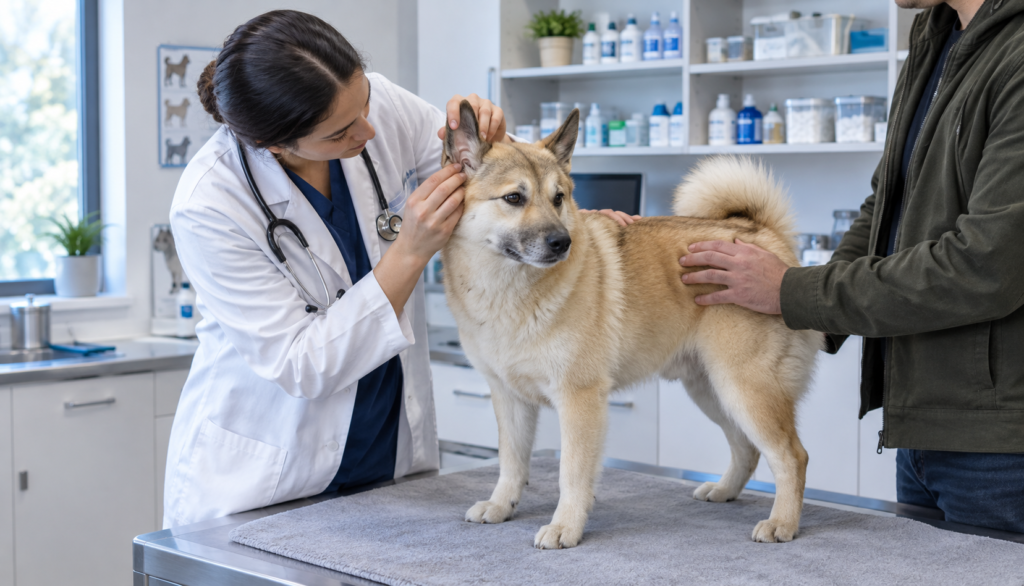
Book an appointment if your dog has discharge, a strong odor, noticeable redness, or ear pain that lasts more than a day or two, or if home cleaning has not helped within a few days. Early treatment is usually quicker, cheaper, and far kinder to your dog than waiting for a mild problem to become a deep one.
Go the same day if you notice any of the following:
- A head tilt that does not go away, or loss of balance
- Walking in circles or eyes flicking from side to side
- A swollen, puffy ear flap that feels warm or full of fluid
- Blood or thick pus in the ear
- Sudden changes in hearing or behavior
- Severe pain, such as crying when the head is touched
These signs can point to a deep infection reaching the middle or inner ear, or to an ear hematoma, and neither responds to home care. Puppies, senior dogs, and dogs with other health conditions should be seen sooner rather than later. Bring notes about when the problem started, what you have already tried, and any recent swimming, diet changes, or flea and allergy trouble, because that history helps the vet find the cause and not just the symptom.
Vet treatment typically involves a thorough cleaning, a medicated ear cleanser, and prescription ear drops that combine antibiotic and antifungal ingredients, often with a steroid to calm swelling and itching. Finish the full course even if the ear looks better, because stopping early is a common reason infections return.
How to Prevent Dog Ear Infections From Coming Back
Prevention is where home care really earns its place. Dry your dog’s ears gently after every swim and bath, using a soft towel or cotton ball on the visible part of the ear. During baths, you can place a cotton ball loosely at the opening to keep water out, then remove it straight afterward so nothing is left behind.
Check the ears once a week. Look for redness, new odor, or unusual wax so you catch problems while they are small. If your dog has hair growing inside the canal, ask your groomer or vet whether trimming is appropriate, since plucking is not right for every dog.
Work on the underlying triggers. If allergies are suspected, your vet may suggest a food trial or allergy management, and sticking with the plan is the single most effective way to break a repeat cycle. Use a vet-approved cleanser on a regular schedule if your dog is prone to infections, but avoid overdoing it, because cleaning too often strips protective oils and irritates the skin. A steady routine and quick action at the first sign of trouble prevent most repeat infections.
Frequently Asked Questions
Q. Can I treat a dog ear infection without a vet?
A. Mild wax can be handled at home with a dog-safe cleaner, but a true infection needs a diagnosis. Without checking the eardrum and identifying yeast or bacteria, home treatment can fail or cause harm.
Q. Is apple cider vinegar safe for a dog’s ear infection?
A. It is not recommended. Vinegar stings inflamed skin and can irritate an already sore canal, and it is risky if the eardrum is damaged. A vet-approved cleaner is a safer choice.
Q. Does coconut oil cure a dog ear infection?
A. There is no solid evidence that it does. Oil can trap moisture and may even feed yeast, so it can make an infected ear worse rather than better.
Q. How can I tell if my dog’s ear infection is serious?
A. Head tilt, loss of balance, a swollen ear flap, blood, or severe pain mean it is urgent. Any infection with discharge, a bad smell, or pain that lasts more than a day or two also needs a vet visit.