
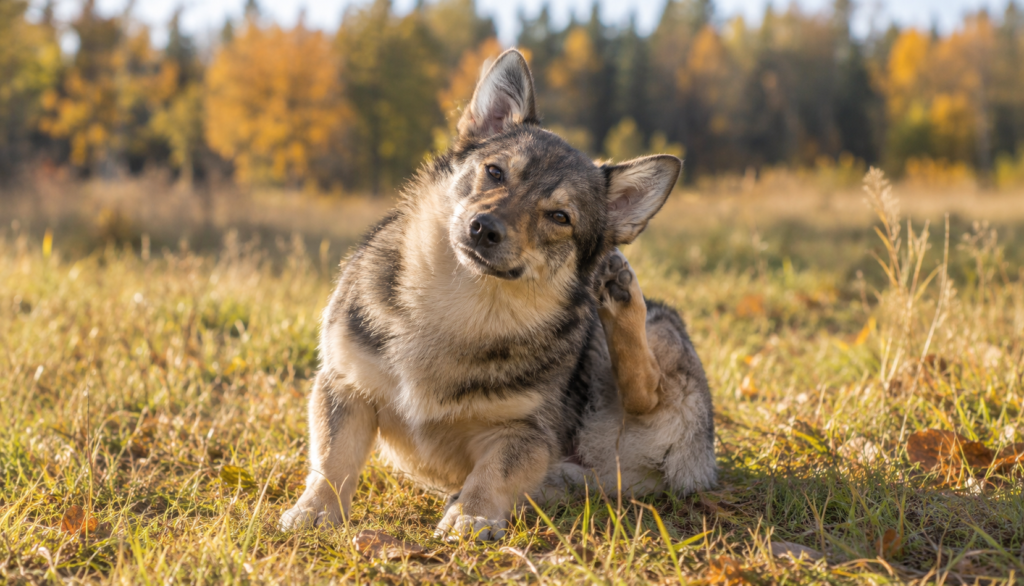
Few things send a dog owner searching faster than a pet who won’t stop scratching an ear, shakes their head every few seconds, or fills the room with a sour, yeasty smell. A dog ear infection is one of the most common reasons dogs end up at the vet, and it is also one of the most misunderstood. Many owners reach for a quick home fix, only to find the problem back in two weeks, worse than before. This guide walks through what an ear infection actually looks like, what causes it, which treatments genuinely work, what you can safely do at home, and the point where you need a vet rather than another bottle from the pet store.
Dog Ear Infection Symptoms: What You’re Seeing
Ear infections, known medically as otitis externa when they affect the outer ear canal, rarely arrive quietly. The first sign most owners notice is behavioral: a dog scratching ears with a back paw, rubbing the side of the head along the carpet or couch, or shaking the head repeatedly as if trying to dislodge water. Dogs do this because the canal is inflamed and itchy, and the sensation does not go away on its own.
Look at the ear itself and the picture becomes clearer. Redness inside the ear flap and canal is common, along with swelling that can make the opening look narrower than usual. Many dogs develop visible dog ear discharge, which can be yellow, brown, or dark and waxy. The smell is often the biggest giveaway. A healthy ear has little to no odor, while an infected one often smells musty, sweet, or sour, which is why a persistent dog ear odor should never be ignored.
Pain is another sign. A dog with a painful ear may yelp when you touch the area, pull away, hold the head tilted toward the affected side, or become unusually grumpy about being petted near the face. Some dogs also lose interest in chewing hard food because jaw movement hurts an inflamed ear canal.
When It’s Mild and When to Worry
Not every ear problem is an emergency, but the line between “watch it” and “call today” matters. A little extra wax, a single head shake after a bath, or mild pinkness that clears within a day is usually normal. Dogs with healthy ears produce a small amount of light tan wax, and that alone is not an infection.
It becomes a concern when signs persist beyond a day or two, when the ear smells bad, when discharge appears, or when your dog seems uncomfortable. It becomes urgent when you see a head tilt that does not go away, loss of balance, walking in circles, eyes flicking side to side, a swollen ear flap that looks puffed like a pillow, or blood in the discharge. These can indicate a deep ear infection reaching the middle or inner ear, or an ear hematoma, and both need veterinary treatment rather than home care.
What Causes Ear Infections in Dogs
Understanding the cause matters because treating the infection without addressing why it happened is the main reason infections keep coming back. The canal of a dog’s ear is shaped like an L, which traps moisture, wax, and debris far more easily than a human ear. That warm, damp environment is ideal for yeast and bacteria to multiply.
Allergies are the leading underlying cause. Environmental allergies to pollen, dust mites, or mold, along with food sensitivities, inflame the skin lining the canal and change the wax it produces. Dogs with allergy-related infections often also lick their paws, scratch their belly, or have recurring skin irritation. If your dog keeps getting ear infections in the same season or after a diet change, allergies are a likely culprit.
Moisture is another major trigger. Swimming, bathing, and humid weather leave water in the canal, causing what is often called swimmer’s ear in dogs. Breeds with heavy, floppy ear dogs anatomy, such as Cocker Spaniels, Basset Hounds, and Labradors, trap moisture and heat under the ear flap and are more prone to infection. Dogs with hair growing deep in the canal, like Poodles and Schnauzers, face a similar problem because hair holds wax and debris in place.
Other causes include ear mites, which are especially common in puppies and outdoor dogs, foreign bodies such as grass seeds, growths or polyps inside the canal, hormonal conditions, and over-cleaning with harsh products that irritate the lining. Puppies can develop an ear infection as well, though in very young dogs mites should be ruled out first.
Yeast, Bacterial or Mites: How the Infections Differ
Treatment depends on what is actually growing in the ear, and you cannot reliably tell by smell and color alone. Still, the general patterns below help you understand what your vet may be looking for.
| Type | Typical Discharge | Smell | Common Signs | Typical Treatment |
|---|---|---|---|---|
| Yeast ear infection | Dark brown or black, waxy | Musty, sweet, or “corn chip” smell | Intense itching, redness, greasy ear | Antifungal ear drops and medicated cleanser |
| Bacterial ear infection | Yellow, green, or pus-like | Sour or foul | Pain, swelling, heat, sometimes bleeding | Antibiotic ear drops, sometimes oral antibiotics |
| Ear mites | Dry, crumbly, coffee-ground debris | Mild to none | Severe scratching, head shaking, mostly puppies | Anti-parasitic treatment prescribed by a vet |
| Allergy-related inflammation | Waxy, variable | Variable | Recurring episodes, itchy skin and paws | Treat infection, then manage the allergy |
Many infections are mixed, meaning yeast and bacteria are present together. That is one more reason guessing at home often fails. A dog yeast ear infection treated with an antibacterial product, for example, may get no better, while a bacterial one treated with an antifungal can worsen.
Dog Ear Infection Treatment: What Vets Actually Do
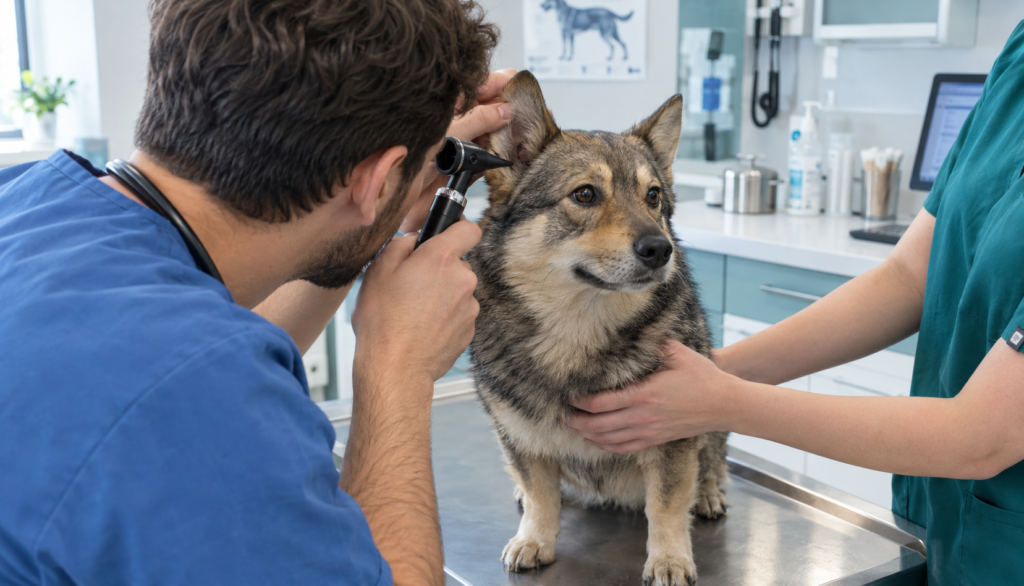
A proper veterinary visit starts with looking into the ear using an otoscope, which shows the canal and, importantly, whether the eardrum is intact. The vet will usually take a small sample of the discharge and examine it under a microscope, a step called ear cytology. This quickly shows whether yeast, bacteria, or both are involved, and it guides the choice of medication. Skipping this step is the main way an infection ends up treated incorrectly.
Most infections are treated with a combination approach. First, the ear is cleaned thoroughly, sometimes with the dog sedated if the ear is very painful. Then comes a medicated ear cleanser to loosen debris, followed by prescription ear drops. These typically contain a topical antibiotic and antifungal, often combined with a steroid anti-inflammatory to reduce swelling and itching quickly. Oral medication may be added in severe, deep, or stubborn cases, and a few dogs need anti-allergy therapy long term.
The cost of a dog ear infection varies widely depending on location and severity. A simple visit with cytology and drops is far cheaper than a case needing sedation, imaging, or surgery, which is another reason early treatment saves money. Ask your vet for a clear estimate before approving anything beyond the basics.
Always complete the full course of medication even if the ear looks better after a few days. Stopping early is a common reason infections return, often with bacteria that are harder to treat. Your vet will usually schedule a recheck appointment to confirm the infection has fully cleared, and that follow-up is not optional if the infection was severe.
Home Care: How to Clean Your Dog’s Ears Safely
Home care has a real role, but it works best for maintenance and prevention, or as a supporting step while following a vet’s plan. It is not a substitute for medication when an infection is established.
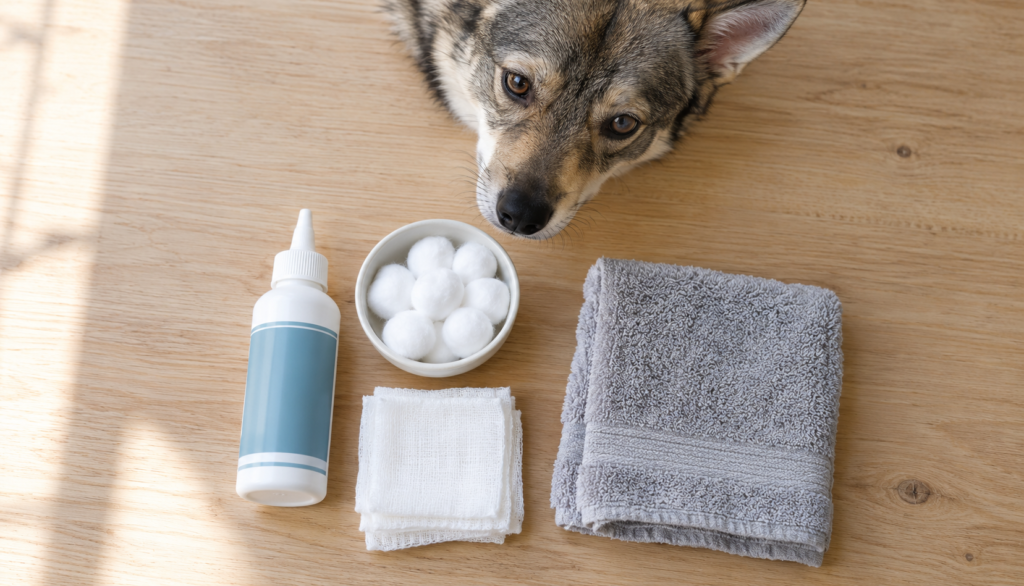
If your vet has cleared you to clean the ears, use a dog-specific ear cleaning solution. Hold the ear flap up, fill the canal with cleanser until it is full, and gently massage the base of the ear for about 30 seconds. You will hear a squishing sound, which is normal. Then step back and let your dog shake, since shaking brings the loosened debris out of the canal. Wipe the visible part of the ear with a cotton ball or soft gauze, and stop there.
Avoid putting cotton swabs deep into the canal, because they push wax further down and can damage the eardrum. Do not pour hydrogen peroxide, rubbing alcohol, or undiluted vinegar into an inflamed ear, since these can sting badly and irritate tissue that is already raw. Skipping the heavily promoted dog ear infection home remedy recipes found online is wise, because without knowing the eardrum is intact, putting anything into the canal carries real risk.
Many owners ask about over-the-counter drops. Some basic cleansers are fine for routine use, but a bottle that claims to cure infections is a gamble. Without a diagnosis, you may be treating the wrong organism, and the delay lets inflammation worsen.
What Most People Don’t Know
The biggest surprise for many owners is that the eardrum matters. If the eardrum has ruptured, which is more common in chronic infections than people expect, medications that are safe in a healthy ear can be harmful to the middle and inner ear. This is why a vet looks first and why putting random drops into a painful ear is risky. A dog with a ruptured eardrum may show few outward signs beyond the infection itself.
A second surprise is that recurring infections usually point to something deeper. A dog who gets ear infections again and again is often telling you about an allergy, a thyroid or hormonal issue, or an anatomical problem. Treating each flare-up alone keeps the cycle going, while investigating the cause can end it. Persistent infections also thicken the canal over time, and in extreme cases the narrowed canal can only be fixed surgically.
Finally, the ear flap itself can fill with blood. Vigorous head shaking can burst a small vessel and cause an ear hematoma, which looks like a soft, swollen cushion on the flap. It will not heal by itself and generally needs veterinary care, and the underlying infection must be treated too.
When to See a Vet
See your vet promptly if you notice discharge, a bad smell, redness, swelling, or repeated scratching lasting more than a day or two. Go the same day if there is a head tilt, loss of balance, bleeding, severe pain, a swollen ear flap, or any change in hearing or behavior. Puppies, senior dogs, and dogs with other health conditions should be seen sooner rather than later.
You should also book a visit if home cleaning has not improved things within a few days, or if the infection returns soon after treatment ends. Bring notes on when it started, what you have tried, and any recent swimming, diet changes, or flea and allergy problems. That history helps the vet find the cause rather than just the symptom.
How Long Does a Dog Ear Infection Take to Heal?
With the right diagnosis and treatment, many uncomplicated infections improve noticeably within several days and clear within one to two weeks, though severe or chronic cases can take longer. The ear should look pink and clean, smell normal, and stop bothering your dog before treatment ends. Your vet may extend the course or recheck the ear before stopping medication, so follow their schedule rather than your own judgment of how the ear looks. Healing time depends heavily on whether the underlying cause, such as allergies or moisture, is also managed.
How to Prevent Recurring Ear Infections
Prevention comes down to keeping the canal dry, clean, and healthy. Dry your dog’s ears gently after every swim or bath. Check ears weekly for redness, odor, or unusual wax, which lets you catch problems when they are small. If your dog has hairy canals, ask your groomer or vet whether trimming is appropriate, since pulling hair is not right for every dog.
Manage the underlying triggers. For dogs with allergies, that may mean a diet trial, allergy medication, or environmental changes under veterinary guidance. Use a vet-approved cleanser on a regular schedule if your dog is prone to infections, but avoid overdoing it, because excessive cleaning strips protective oils and irritates the skin. A steady routine and prompt attention to early signs will prevent most repeat infections.
Frequently Asked Questions
Can I treat a dog ear infection at home without a vet?
Mild wax buildup can be managed with a dog-safe cleaner, but an actual infection needs a diagnosis. Without checking the eardrum and identifying yeast or bacteria, home treatment can fail or cause harm.
What does a dog ear infection smell like?
It usually smells musty, sweet, or sour, sometimes like corn chips with yeast. A strong or worsening smell is a sign of infection and a reason to see your vet.
How long does it take for a dog ear infection to go away?
Many infections improve within days and clear in one to two weeks with proper treatment, but chronic or deep infections can take longer. Finish all medication and attend any recheck.
Why does my dog keep getting ear infections?
Recurring infections are often caused by allergies, moisture, floppy ears, hair in the canal, or an incomplete earlier treatment. Finding and managing the root cause is the key to stopping the cycle.