
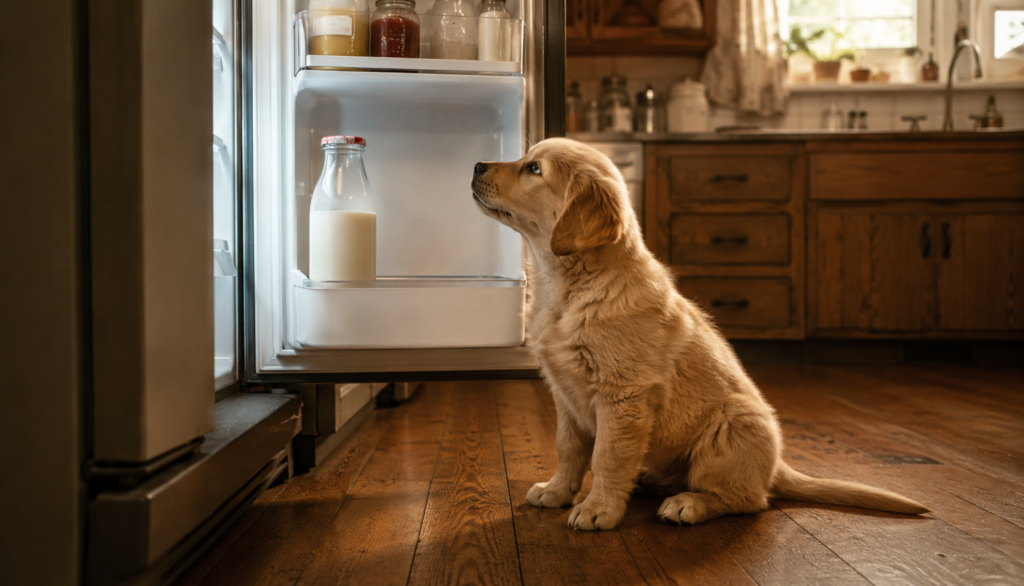
The image of a dog lapping milk from a bowl is so culturally familiar that it’s become almost synonymous with the idea of giving a pet something nice. Old films, children’s books, and a general sense of “milk is wholesome” have made this feel like the most natural treat in the world. The reality is considerably less romantic. Most adult dogs simply don’t process cow milk very well, and the result of a generous bowl of milk shared with good intentions is often an afternoon of gas, bloating, and loose stool that nobody in the household particularly enjoys. Understanding why that happens — and whether there’s a version of milk that avoids it — is what actually makes this a useful topic rather than just a simple yes or no.
Is Milk Safe for Dogs?
I’ve seen this firsthand with several dogs across the years: a small lap of milk from a cereal bowl typically doesn’t cause an immediate dramatic reaction in many dogs, and that immediate non-response is part of what makes milk feel safer than it often turns out to be over time.
Milk isn’t toxic to dogs in the way some foods are — there’s no compound in plain cow milk that functions as a poison. The concern is entirely about digestibility rather than toxicity, and that distinction matters because digestibility issues tend to show up as uncomfortable rather than dangerous, at least in healthy dogs consuming small amounts.
So the answer is technically yes in very small occasional amounts for tolerant dogs, but practically speaking most adult dogs are better served by skipping milk entirely rather than testing which category they fall into via an upset stomach.
Why Most Dogs Are Lactose Intolerant
Most dog owners miss the biological reason behind this, which is worth understanding rather than just accepting as a fact. Dogs produce lactase, the enzyme needed to digest lactose, in meaningful amounts as puppies when they’re nursing. As they mature and wean off mother’s milk, lactase production naturally decreases since the biological need for it drops.
This means adult dogs are, to varying degrees, less equipped to break down the lactose in cow milk than they were as puppies — which is the opposite of what most people assume given how enthusiastically adult dogs will lap up a bowl if given the chance. Enthusiasm and digestive suitability are two very different things in this case.
The degree of lactose intolerance varies widely between individual dogs, which is why some handle small amounts of dairy without issue while others show diarrhea and bloating from even a modest taste. There’s no reliable way to predict which category a dog falls into without simply observing their response.
Cow Milk vs Goat Milk
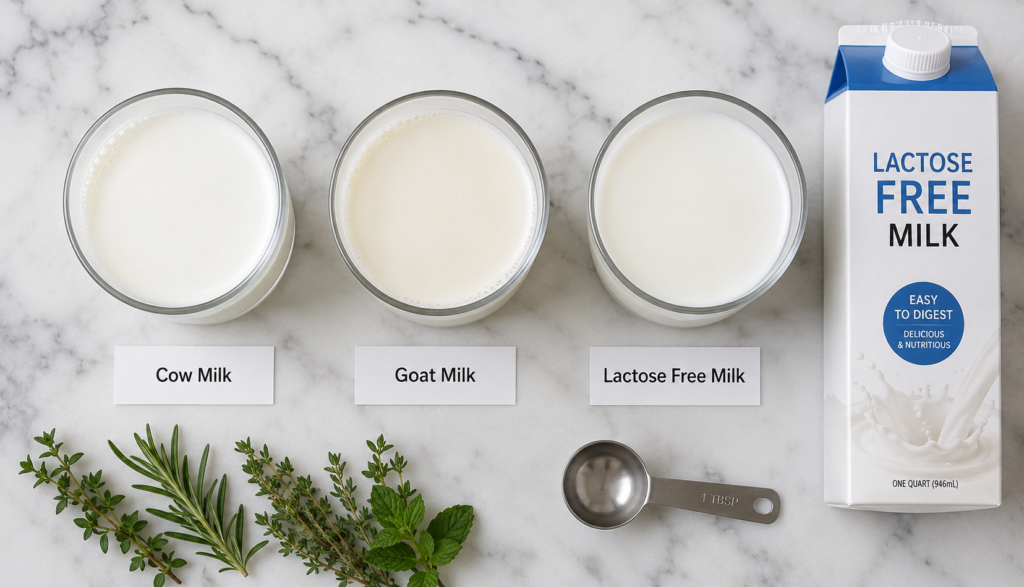
The first time I dealt with this question from a reader, goat milk came up as an alternative almost immediately, and it’s worth addressing directly. Goat milk contains less lactose per serving than standard cow milk and has a different protein structure that some dogs find easier to digest, making it the more commonly recommended dairy option for dogs who seem to tolerate small amounts of dairy without obvious upset.
Raw goat milk marketed specifically for pets has developed a following in some dog nutrition communities, sometimes positioned as a probiotic-rich supplement rather than simply a treat. Whether the probiotic case holds up practically depends significantly on how the product has been stored and processed.
Goat milk isn’t a free pass on portion size or frequency — it still contains fat content and some lactose, meaning the same “small amounts and watch for reaction” approach applies regardless of the switch from cow milk.
What About Puppies and Milk?
What surprised many readers was the nuance around puppies specifically. Puppies nursing from their mother are drinking dog milk, which has a very different composition from cow milk — higher in fat, higher in protein, and lower in lactose relative to body needs than cow milk is. Giving a young puppy cow milk as a supplement or replacement for mother’s milk is actually a poor nutritional match and can cause significant digestive upset precisely because cow milk doesn’t replicate the nutritional profile puppies need.
Orphaned puppies or puppies being weaned need a specifically formulated puppy milk replacer rather than cow milk from the grocery store, since the composition difference matters substantially at that developmental stage. This is one of the more commonly misunderstood aspects of puppy care that cow milk’s wholesome cultural image tends to obscure.
Lactose Free Milk: A Better Option?
I’ve watched this question come up regularly from owners who want to share a milk-based treat without the digestive fallout. Lactose free milk, which has the lactose pre-digested through an added lactase enzyme, removes the primary digestibility concern for most dogs and is generally the lowest-risk dairy liquid option for dogs who enjoy the taste.
It still contains fat content from the milk itself, so portion size still matters for dogs prone to weight gain or with pancreatitis history, but the bloating, gas, and diarrhea that typically accompany regular milk in lactose-sensitive dogs are largely avoided with the lactose-free version.
This is probably the closest thing to a practical “safe milk option for dogs” that exists for owners who want to occasionally share something dairy-based without managing the consequences afterward.
What Most People Don’t Know
Here’s something that genuinely surprises most owners: plant-based milks like almond milk, oat milk, and soy milk aren’t automatically safer alternatives for dogs just because they avoid the lactose issue. Almond milk often contains added sweeteners including xylitol in some brands, which is acutely toxic to dogs. Soy milk contains phytoestrogens that may not be ideal with regular long-term consumption. Oat milk is generally the most benign of the plant options in small amounts, but none of these provides a compelling reason to offer them to a dog who doesn’t need them nutritionally in the first place.
How to Approach Milk Safely
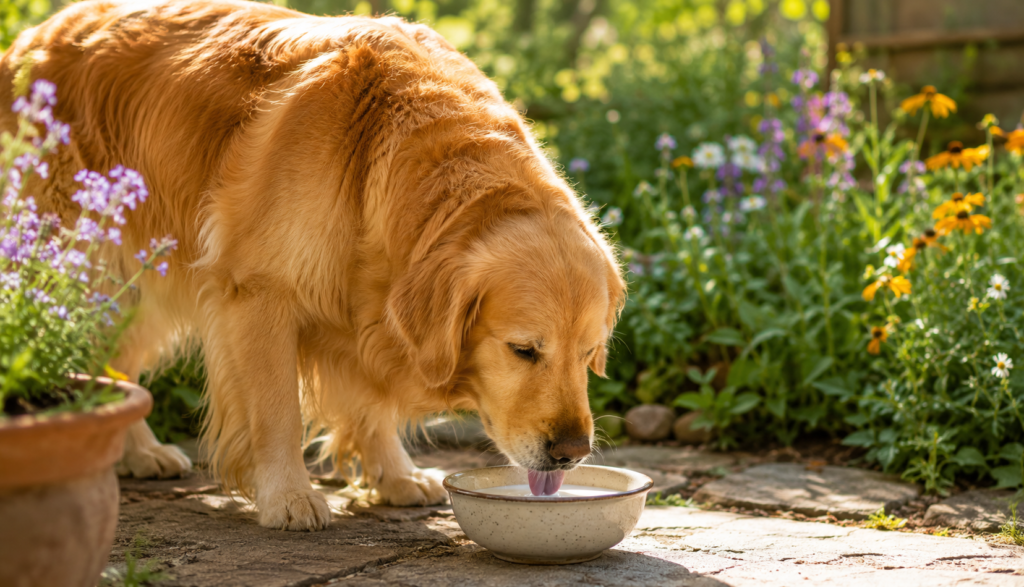
From experience, the smarter call for most households is to simply not make milk a regular dog treat at all — not because it’s acutely dangerous, but because the upside is minimal and the downside of discovering your dog is lactose intolerant after the fact is an uncomfortable afternoon for everyone involved.
If sharing something milk-based is important to you, a small amount of lactose free milk or plain goat milk in a tiny portion is the lowest-risk approach, starting with a tablespoon-sized amount and watching for any digestive response before increasing from there.
Water remains the genuinely correct drink for dogs between meals, and the impulse to share milk is better redirected toward a dog-appropriate treat that delivers actual nutritional benefit rather than a liquid that most dogs can’t fully process.
Signs of Trouble to Watch For
Watch for bloating, gas, loose stool, or vomiting in the hours following any milk exposure, since these are the characteristic signs of lactose intolerance reacting to dairy rather than anything more serious, and they typically resolve within a day once the dairy has passed through.
Persistent or severe symptoms, or symptoms in a very young puppy who received cow milk as a supplement, warrant a vet visit to rule out dehydration from diarrhea and confirm nothing else is contributing to the reaction.
If symptoms persist or worsen, a vet visit is always the right call, and disclosing both the type of milk and the quantity consumed helps the vet assess whether this is straightforward lactose intolerance or something worth investigating further.
Frequently Asked Questions
Q. Can puppies drink cow milk?
A. No — cow milk doesn’t match the nutritional composition puppies need, and orphaned or supplementary-fed puppies should receive a specifically formulated puppy milk replacer rather than grocery store cow milk.
Q. Is goat milk safer than cow milk for dogs?
A. Goat milk contains less lactose and a different protein structure that some dogs digest more easily, making it the gentler dairy option, though small portions and watching for reaction still applies.
Q. Can dogs drink lactose free milk?
A. Yes, lactose free milk removes the primary digestibility concern for most dogs, making it the lowest-risk dairy liquid option in small amounts for dogs who enjoy the taste of milk.