
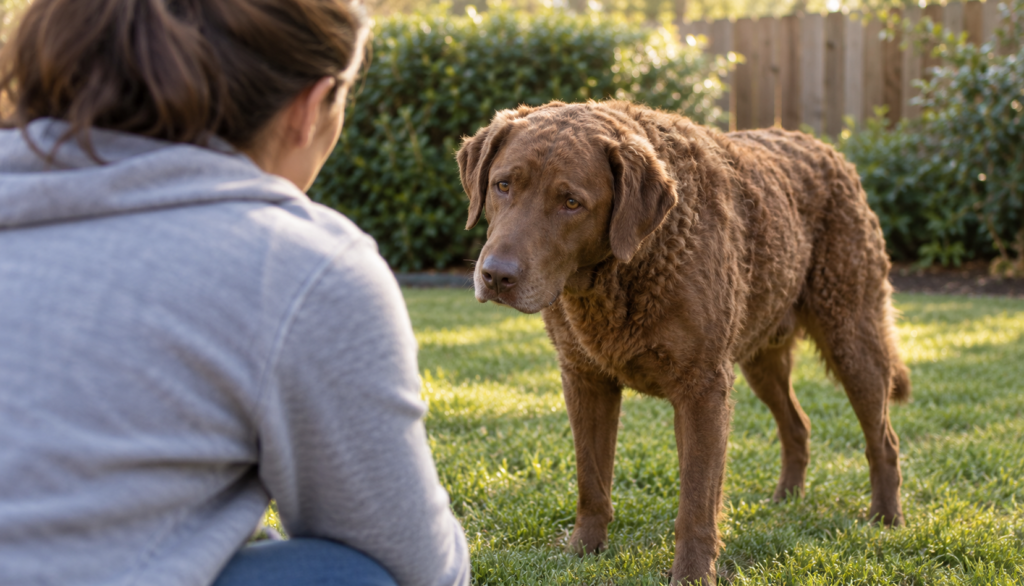
Why Is My Dog Vomiting Blood? Emergency Signs & Causes
Blood in your dog’s vomit can mean anything from a throat scratch to an ulcer or poisoning. Here is how to read the color, spot the emergency signs, and know what to do next.
Blood in your dog’s vomit can mean anything from a throat scratch to an ulcer or poisoning. Here is how to read the color, spot the emergency signs, and know what to do next.
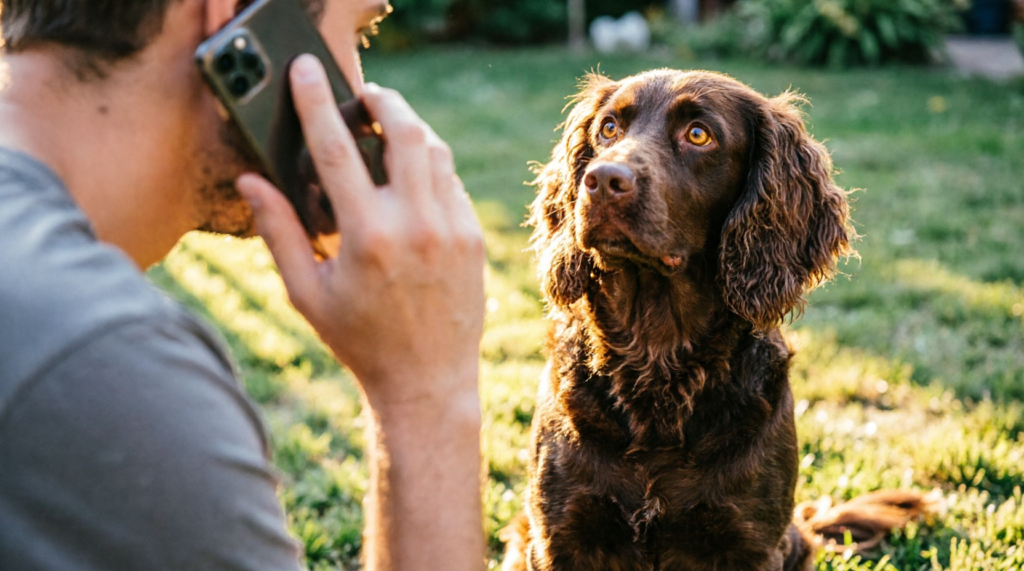
Making a dog vomit only helps in specific situations, and only when a vet or poison control says so. Here’s the 3% hydrogen peroxide dose by weight, who should never be made to vomit, and what vets do instead.
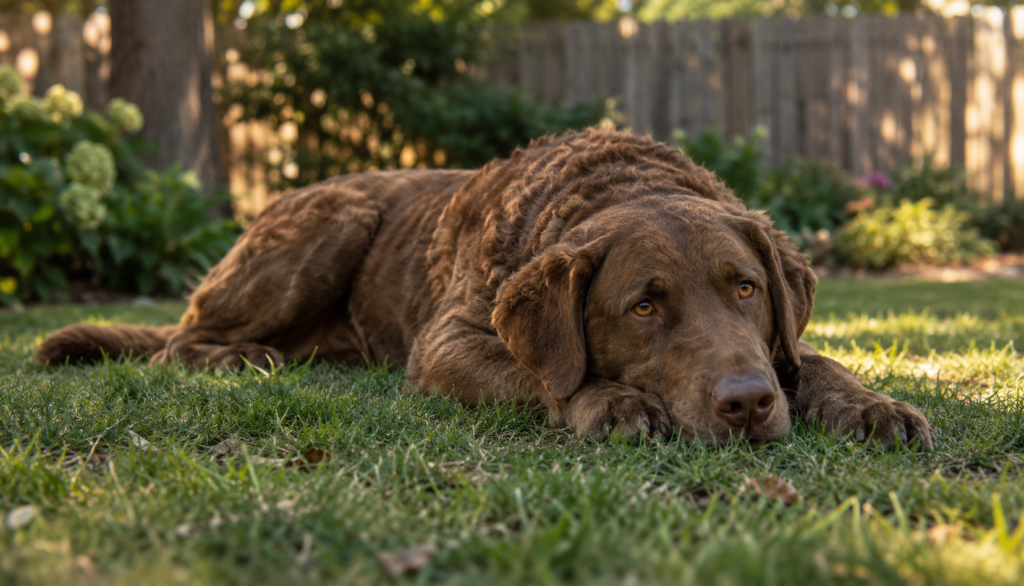
Dog vomiting and diarrhea together can be a simple stomach upset or something serious. Here are the causes, a safe home care plan, and the red flags that mean call the vet.
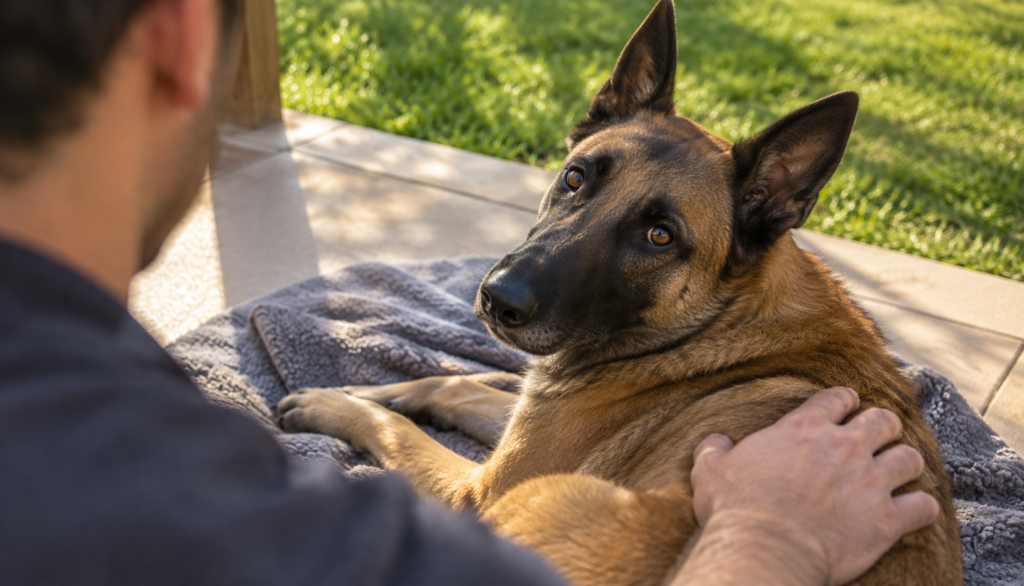
Dog shaking and vomiting can be a mild stomach upset or an early sign of poisoning, infection, or pain. Learn which causes are minor, which are emergencies, and when to call your vet.
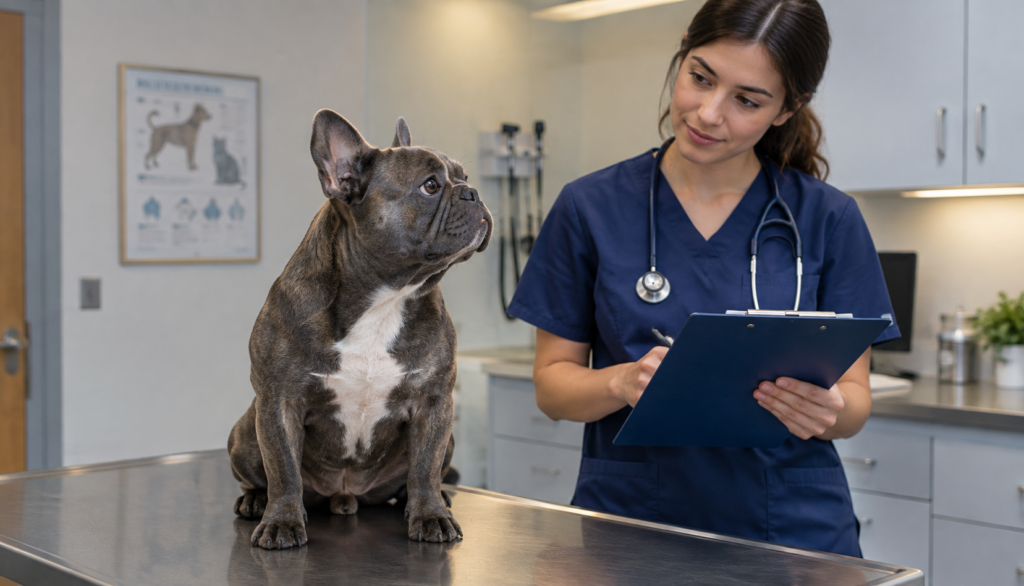
Dog vomiting yellow bile looks alarming, but in many cases it’s not an emergency. Learn what bile vomiting means, when it’s normal vs. dangerous, home care strategies, and when to seek veterinary care.
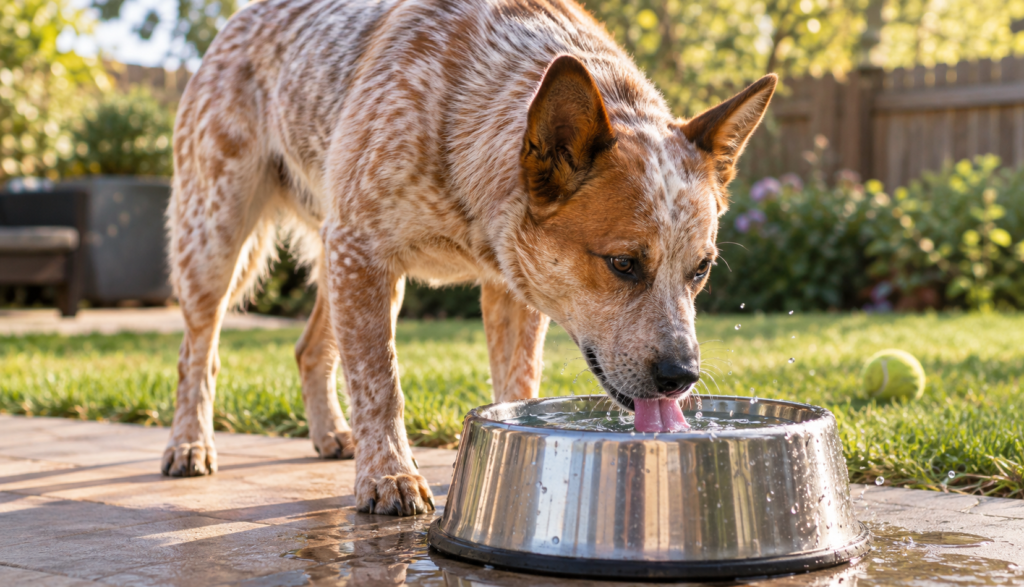
White foam is often just an empty stomach, but it can also signal bloat, poisoning, or kennel cough. Learn the causes, safe home care, and the red flags that mean a vet visit.
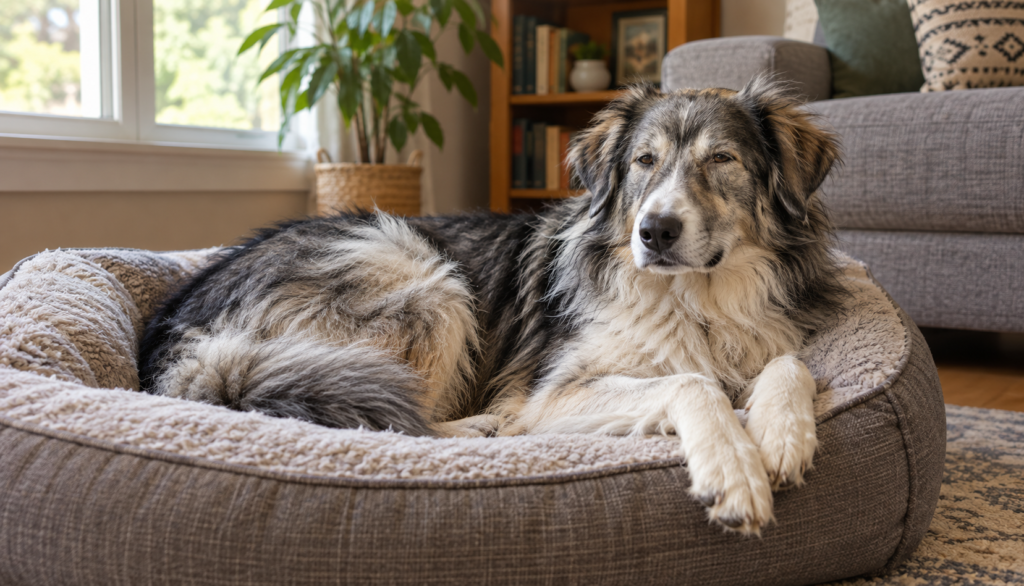
Most dogs eating their own vomit are acting on old scavenging instincts, not illness — but some patterns are worth a vet’s attention.
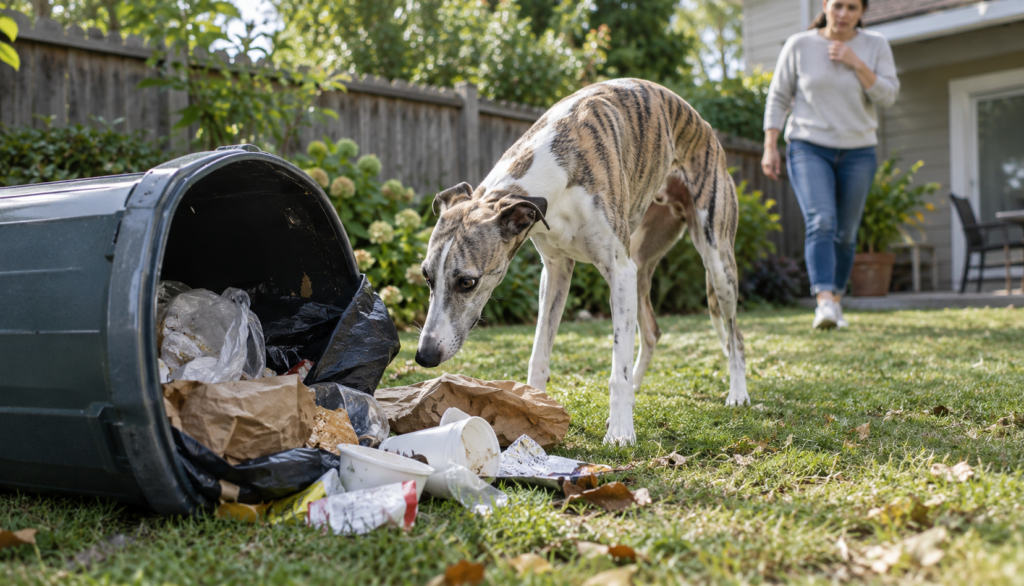
A clear breakdown of when a vomiting dog needs a vet right away versus when it’s safe to monitor at home, including what vomit color and texture can tell you.
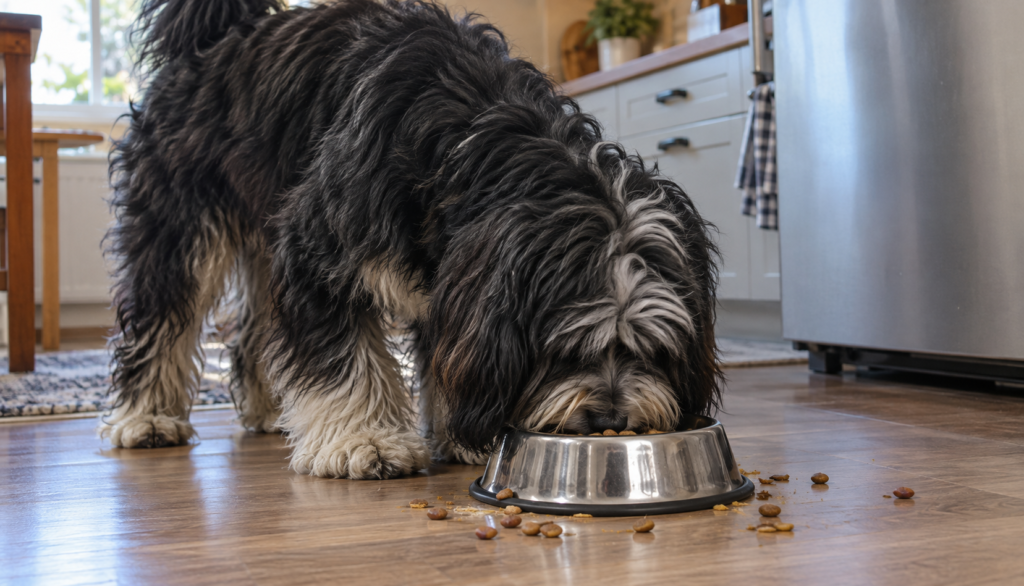
Diarrhea right after a meal usually points to something diet-related. Here’s how to spot the trigger, what’s minor, and what needs a vet.
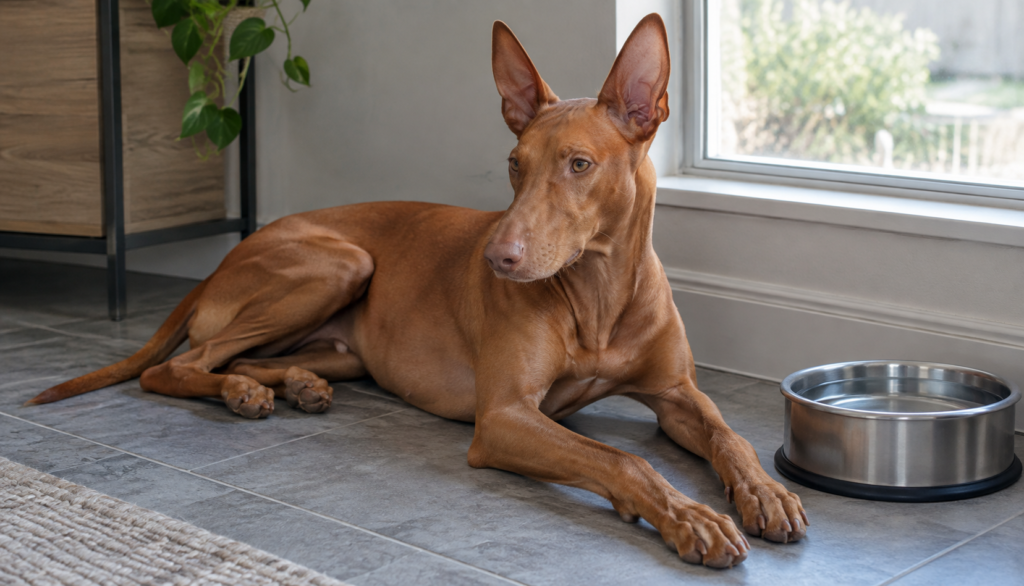
Fully liquid diarrhea in dogs means faster fluid loss and higher dehydration risk than looser stool — here’s what causes it and when it’s an emergency.
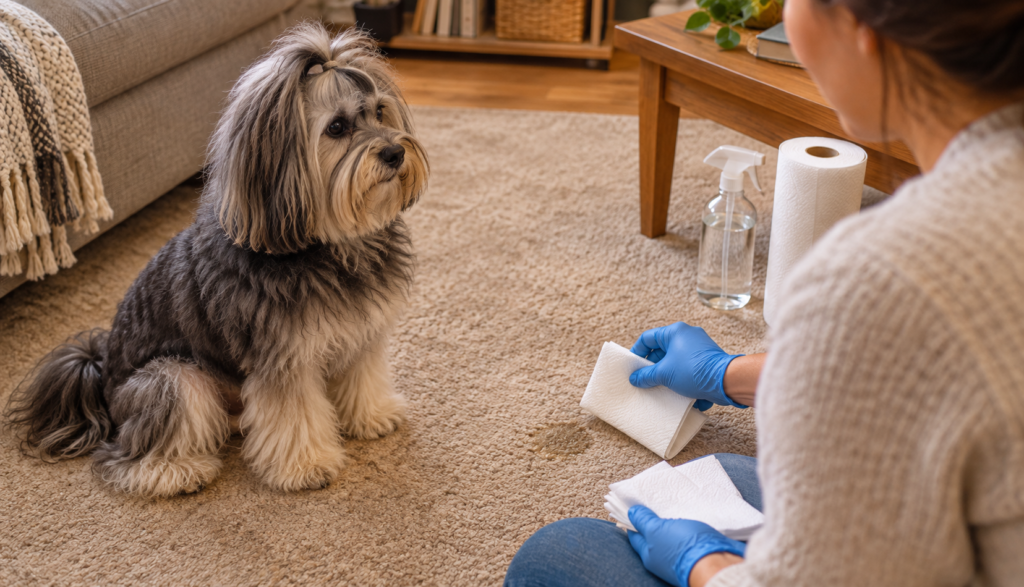
A step-by-step guide to removing dog diarrhea stains and odor from carpet, including what NOT to do and how to stop repeat accidents in the same spot.
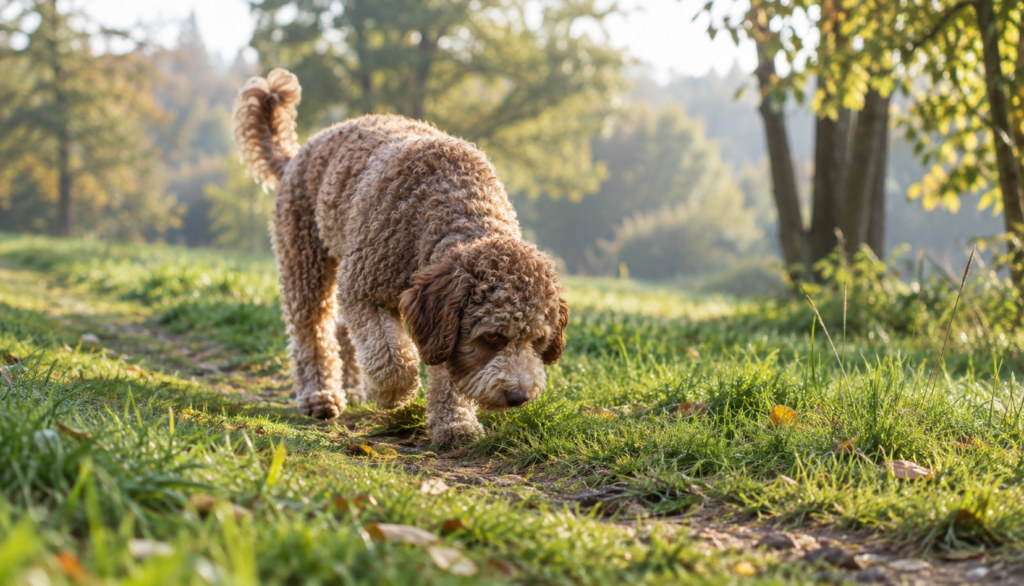
Yellow diarrhea in dogs usually points to bile passing through the gut too fast — here’s what causes it, when it’s fine to monitor, and when it needs a vet.