
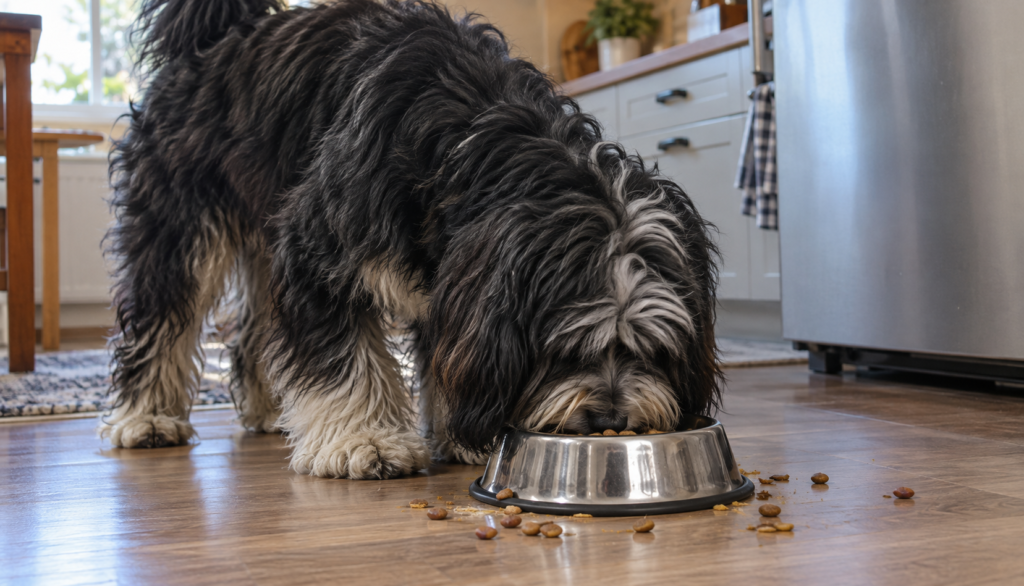
Watching your dog develop diarrhea shortly after a meal, sometimes within an hour, sometimes the next morning, is a common but confusing experience for owners. The timing itself is a useful clue: diarrhea that shows up specifically after eating often points toward something directly related to that meal or the dog’s digestive response to it, rather than a separate, unrelated illness. This guide walks through the most common triggers tied to eating, how to tell a minor reaction from something more serious, and what steps to take depending on what else is going on.
Why Timing Matters: What “After Eating” Tells You
Diarrhea that happens very soon after a meal, sometimes within 30 minutes to a few hours, usually reflects a strong, fast gut reaction — often to something in that specific meal, whether a new food, a rich treat, or a sudden reaction to an ingredient. Diarrhea that shows up several hours later or the following morning may still be diet-related, but can also reflect slower-acting causes like a mild intolerance building up over repeated meals, or an unrelated issue that happened to coincide with a meal.
Consistent diarrhea after every meal, or after a specific type of food each time, points more strongly toward an ongoing intolerance or sensitivity rather than a one-off reaction. A single isolated episode after one unusual meal is far less concerning than a repeating pattern tied to the same trigger.
It also helps to consider what else changed around the meal itself. A new bag of food, a different treat brand, a recent switch in bowls or feeding location, or even a change in who’s feeding the dog can all be relevant clues. Owners often focus only on the food itself and overlook these surrounding details, which can make it harder to spot the actual pattern behind recurring episodes.
Common Causes of Diarrhea After Eating
Several distinct mechanisms can cause a dog’s gut to react quickly or repeatedly after meals. Working through these helps narrow down what’s actually happening.
- Dietary indiscretion: Eating something outside the normal diet — table scraps, spoiled food, trash, or something scavenged outdoors — is one of the most common triggers for sudden post-meal diarrhea.
- Eating too fast: Dogs who gulp food quickly can overwhelm their digestive system, leading to rapid, loose bowel movements shortly after eating.
- Food allergies: A true allergic reaction to a specific protein or ingredient, most commonly beef, dairy, wheat, or chicken, can trigger diarrhea consistently after meals containing that ingredient.
- Food intolerance: Unlike a true allergy, intolerance involves difficulty digesting a specific ingredient (lactose is a common example), leading to gas, loose stool, or diarrhea without a full immune response.
- Sudden diet change: Switching foods too abruptly, without a gradual transition period, disrupts gut bacteria and commonly causes diarrhea for several days.
- Overeating or rich, fatty foods: A larger-than-usual portion, or a meal high in fat (think holiday scraps or fatty meat trimmings), can overwhelm digestion and trigger loose stool or even pancreatitis in more severe cases.
- Food poisoning or spoiled ingredients: Bacteria like salmonella in raw or spoiled food can cause a fast, sometimes severe digestive reaction shortly after ingestion.
- Stress around mealtime: Anxiety related to feeding time, competition with other pets, or a recent environmental change can occasionally show up as post-meal digestive upset.
- Underlying chronic conditions: Inflammatory bowel disease, exocrine pancreatic insufficiency, or chronic pancreatitis can all cause a pattern of diarrhea that reliably follows meals, especially fattier ones.
Food Allergy vs. Food Intolerance: What’s the Difference?
These two terms get used interchangeably but describe different processes, and the distinction affects both diagnosis and treatment. The table below breaks down the key differences.
| Factor | Food Allergy | Food Intolerance |
|---|---|---|
| Mechanism | Immune system reaction to a specific protein | Digestive difficulty processing an ingredient, no immune involvement |
| Onset | Can develop suddenly, even to a food eaten for years | Often present from the start, or develops gradually with repeated exposure |
| Common triggers | Beef, dairy, chicken, wheat, egg | Lactose, high-fat foods, certain fibers or additives |
| Other symptoms | May include itching, skin issues, ear infections alongside GI symptoms | Usually limited to gas, bloating, and loose stool |
| Diagnosis approach | Elimination diet trial, sometimes allergy testing | Elimination diet trial, identifying the specific problem ingredient |
When It’s a Minor, One-Off Reaction
If your dog had a single episode of diarrhea after an unusual meal — new treats, a bit of table food, or getting into something on a walk — and is otherwise acting completely normal (eating, drinking, playing, no vomiting or lethargy), this is typically a minor reaction that resolves within 24 hours. Avoiding the trigger food going forward and offering a bland diet for the next meal or two is usually all that’s needed.
When to Worry: Signs That Need Vet Attention
Certain patterns and accompanying symptoms shift post-meal diarrhea from “minor and self-resolving” to “needs a vet visit.” Watch for:
- Diarrhea after eating that happens repeatedly, especially tied to the same food each time
- Diarrhea lasting more than 24–48 hours without improvement
- Vomiting alongside the diarrhea
- Blood, mucus, or a black/tarry appearance in the stool
- Visible weight loss over time, especially with chronic post-meal diarrhea
- Lethargy, abdominal pain, or a hunched posture after eating
- Skin issues, itching, or ear infections occurring alongside digestive symptoms (a sign of possible food allergy)
- Known ingestion of something toxic, spoiled, or a foreign object
- Diarrhea after eating in a puppy, senior dog, or dog with an existing health condition
Recurring diarrhea tied to specific meals, even if each episode seems mild on its own, is worth discussing with a vet rather than repeatedly waiting it out, since identifying the trigger early prevents months of ongoing discomfort.
What Most People Don’t Know
Most owners assume a food reaction means the dog is allergic, but true food allergies are actually less common than food intolerances or simple dietary indiscretion. A dog can eat the same food for years and then suddenly react, but far more often, post-meal diarrhea traces back to something simpler: a portion that was too large, a treat that was too rich, or food eaten slightly too fast, none of which require a diet overhaul to fix.
Another detail that surprises people: the order and pace of eating matters more than most owners realize. Dogs who eat very quickly swallow more air and give their stomach less time to begin the digestive process before large amounts of food arrive, which can trigger diarrhea, vomiting, or bloating-adjacent discomfort shortly after finishing. A slow-feeder bowl or puzzle feeder is a surprisingly effective fix for dogs prone to this specific pattern, often resolving the issue without any change to the food itself.
It’s also worth knowing that fat content, not protein type, is one of the most common overlooked triggers behind rich-meal diarrhea. Even foods marketed as “healthy,” like certain fish oils, peanut butter, or fatty cuts of meat, can trigger loose stool in dogs not used to that fat load, independent of any allergy or intolerance to the underlying ingredient.
Diagnosing the Trigger: The Elimination Diet Process
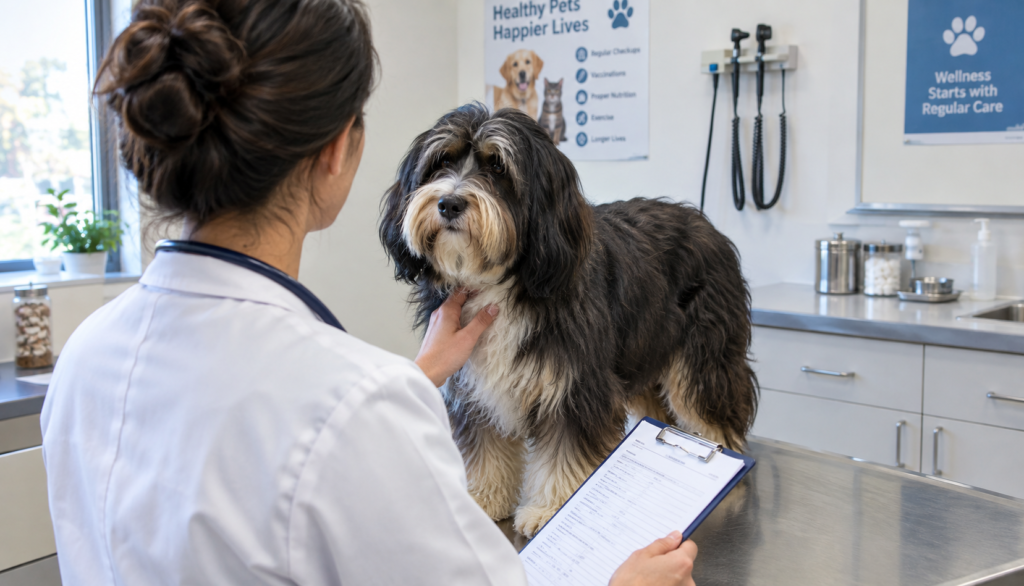
When diarrhea after eating becomes a recurring pattern, identifying the specific trigger usually requires a structured process rather than guesswork. Vets typically recommend:
- Switching to a novel protein or hydrolyzed protein diet the dog has never eaten before, for a strict 8–12 week trial with no other treats or table food
- Keeping a detailed food and symptom diary throughout the trial period to track any changes
- Reintroducing the suspected trigger ingredient one at a time after the trial period, watching closely for a return of symptoms
- Ruling out other causes first, including parasites and infections, through fecal testing and bloodwork if the pattern isn’t clearly diet-related
This process takes patience, since results aren’t immediate, but it’s the most reliable way to pinpoint a true food allergy or intolerance rather than guessing and switching foods repeatedly without a clear answer.
Home Care While Sorting Out the Cause
While you’re working through identifying a trigger, or recovering from a one-off reaction, these steps support your dog’s digestive system in the meantime.
- Feed smaller, more frequent meals: Reducing portion size while increasing meal frequency lightens the digestive load per sitting.
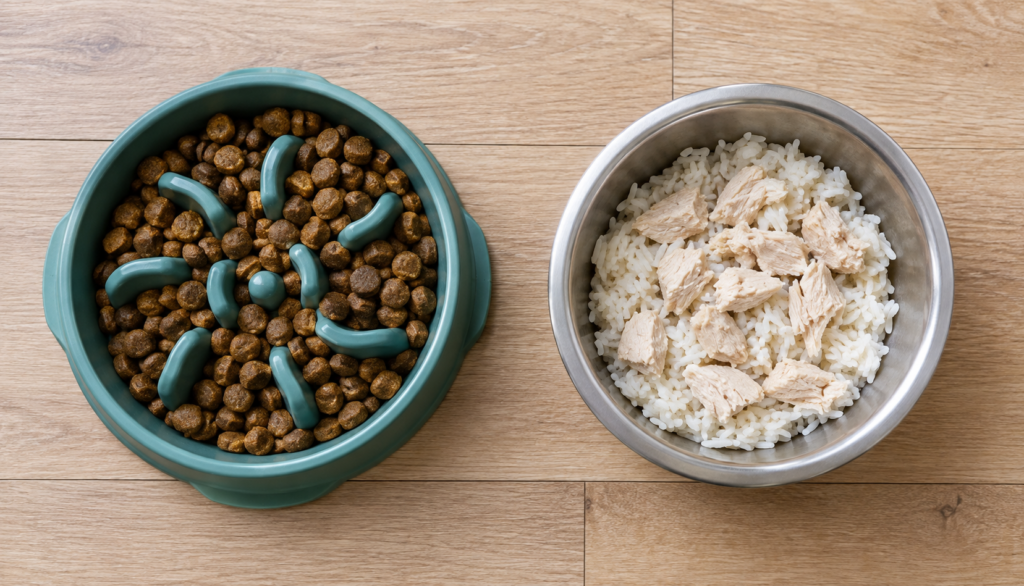
- Slow down fast eaters: A slow-feeder bowl, puzzle feeder, or simply spreading food across a flat tray can reduce gulping-related diarrhea.
- Stick to a bland diet during flare-ups: Plain boiled chicken and rice gives the gut an easy-to-digest option while symptoms settle.
- Avoid table scraps and rich treats entirely during a trial period: Even small amounts can undermine an elimination diet or trigger a fresh reaction.
- Keep hydration up: Diarrhea, even mild, increases fluid loss, so make sure fresh water is always available.
Preventing Diarrhea After Meals Going Forward
Once you’ve identified what’s causing the pattern, a few consistent habits reduce the odds of recurrence.
- Transition to any new food gradually over 5–7 days, mixing increasing ratios with the old food
- Keep treats and table food consistent with the dog’s known tolerances, especially during any diet trial
- Use a slow-feeder bowl for dogs who eat quickly
- Secure trash and anything scavengeable to prevent dietary indiscretion
- Feed consistent portion sizes rather than variable or oversized meals
- Keep a running note of any foods that reliably trigger symptoms so they’re easy to avoid long-term
FAQ
Q. Why does my dog get diarrhea right after eating?
A. It’s usually a fast gut reaction to something in that specific meal — a new food, a rich treat, eating too quickly, or dietary indiscretion. A single episode after an unusual meal is typically minor.
Q. How do I know if it’s a food allergy or just intolerance?
A. A true allergy is an immune reaction, often to beef, dairy, chicken, or wheat, and can include skin issues or itching alongside GI symptoms. Intolerance is a digestive difficulty with an ingredient, usually limited to gas and loose stool, with no immune involvement.
Q. Can eating too fast cause diarrhea in dogs?
A. Yes. Dogs who gulp food quickly swallow more air and give their stomach less time to start digesting before more food arrives, which can trigger diarrhea or vomiting shortly after eating. A slow-feeder bowl often resolves this.
Q. When should I worry about diarrhea after eating?
A. If it happens repeatedly with the same food, lasts more than 24–48 hours, comes with vomiting or blood, or your dog seems lethargic or in pain — these warrant a vet visit rather than continued home monitoring.