
A dog throwing up is one of the most common reasons owners search for answers late at night. Most of the time, an isolated vomiting episode is nothing more than a stomach upset that resolves on its own within a day. But vomiting is also one of the body’s most basic warning signals, and in certain patterns it points to something that needs a vet’s attention quickly. Knowing the difference between “watch and wait” and “go now” is the single most useful skill a dog owner can build around this symptom.
This guide walks through what counts as normal, what counts as a red flag, what you can safely do at home, and when the situation calls for a same-day or emergency vet visit.
Why Do Dogs Vomit in the First Place?
Vomiting is a reflex, not a disease. It’s the body’s way of forcibly emptying the stomach when something in it (or something happening to it) needs to come out. Dogs vomit far more easily than most people expect, partly because their gastrointestinal tracts are sensitive and partly because dogs eat things they shouldn’t with impressive regularity.
Some of the most frequent everyday triggers include:
- Eating too fast, which pulls in excess air and food that comes right back up
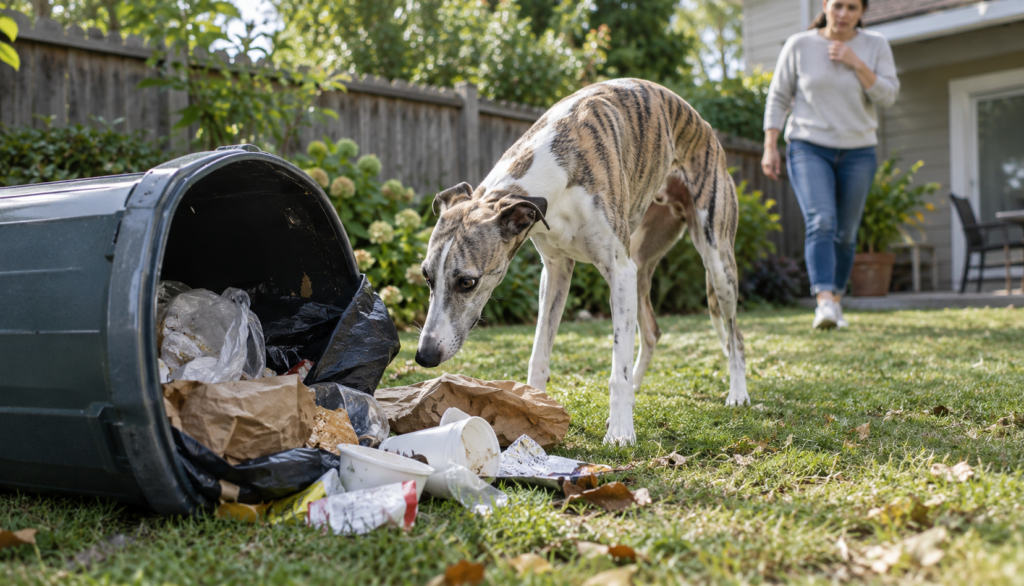
- Getting into garbage, table scraps, or spoiled food
- A sudden change in diet or a new treat that doesn’t agree with them
- Mild motion sickness from car rides
- Eating grass, which can trigger a reflex vomit shortly after
- Stress or excitement, especially in anxious dogs
- Hairballs in longer-haired breeds who groom themselves heavily
None of these are usually dangerous on their own. The context — how often it happens, what else is going on, and what came up — is what turns a shrug-worthy moment into a genuine concern.
When Vomiting Is Usually Normal
A single vomiting episode in an otherwise healthy, active dog is rarely an emergency. The general pattern that suggests “this will probably pass” looks like this:
- It happens once, or maybe twice, and then stops
- Your dog is still acting like themselves afterward — normal energy, normal interest in toys or walks
- They’re willing to drink water and keep it down
- There’s an obvious explanation, like eating too fast or grabbing something off the counter
- The vomit looks like undigested or partially digested food, sometimes with a bit of clear or foamy liquid
- There’s no blood, no straining, and no other symptoms like diarrhea or lethargy
In these cases, a short period of monitoring at home is usually all that’s needed. Most dogs bounce back within 12 to 24 hours without any intervention beyond a bit of dietary caution.
When to Worry: Red Flags That Mean Something More Serious
Vomiting becomes a real concern when it stops being an isolated event or when it’s paired with other symptoms. These are the signs that should move you from “keep an eye on it” to “call the vet”:
- Repeated vomiting — more than two or three times in a few hours, or vomiting that continues into a second day
- Blood in the vomit — this can look like fresh red streaks or a darker, coffee-ground texture, and both warrant an immediate call
- Vomiting paired with diarrhea — the combination raises the risk of rapid dehydration, especially in small or young dogs
- Lethargy or weakness — a dog who is vomiting and also unusually quiet, wobbly, or unwilling to get up needs prompt evaluation
- Refusing water — or drinking and immediately vomiting it back up
- Visible pain — a hunched posture, a tense or bloated-looking belly, whining when touched, or a “praying position” with front legs down and rear up
- Known ingestion of something toxic — chocolate, xylitol, certain plants, medications, or anything you know your dog shouldn’t have eaten
- A swollen or distended abdomen — especially in large, deep-chested breeds, this can signal bloat, which is a true emergency
- Repeated unproductive retching — trying to vomit but nothing comes up, which is a classic bloat warning sign
- Puppies, seniors, or dogs with existing health conditions — these groups have far less reserve and can decline quickly, so the threshold for calling a vet should be lower
If your dog is showing any of these signs, don’t wait to see if it resolves on its own overnight. Some of these situations, particularly bloat and suspected poisoning, can turn fatal within hours.
What the Color and Texture of Vomit Can Tell You
Owners often notice the appearance of the vomit before anything else, and while it’s not a diagnosis on its own, it can help you describe the situation accurately to a vet.
| Appearance | Possible Meaning |
|---|---|
| Clear or foamy white | Often an empty stomach or mild irritation; common first thing in the morning |
| Yellow (bile) | Usually means the stomach was empty when vomiting occurred; can happen with an irregular feeding schedule |
| Brown, resembling food | Typically undigested or partially digested food |
| Brown with a strong odor, resembling stool | Can indicate a blockage lower in the digestive tract; needs vet evaluation |
| Red or streaked with blood | Indicates bleeding somewhere in the upper GI tract; always warrants a vet call |
| Dark, resembling coffee grounds | Suggests digested blood, which is more serious than fresh red blood in some respects |
| Green | Can indicate bile or, less commonly, ingestion of grass or plant material |
Take a photo if you can before cleaning it up. A clear image is often more useful to a vet over the phone than a verbal description.
Safe Home Care for Mild, Isolated Vomiting
When your dog fits the “usually normal” category above, there are a few sensible steps to help their stomach settle without overcorrecting.
- Withhold food, not water, for a short window. Many vets recommend holding food for around 8 to 12 hours (never longer without guidance) while still offering small amounts of water.
- Offer water in small, frequent amounts rather than a full bowl all at once, since gulping a large volume can trigger another vomiting episode.
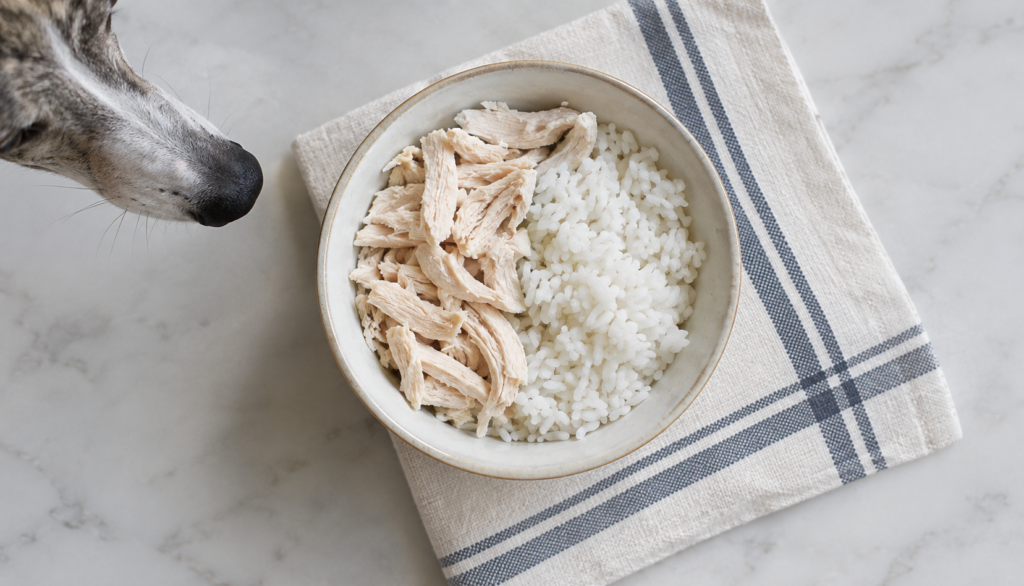
- Reintroduce food gradually with a bland diet — plain boiled chicken and white rice, or plain canned pumpkin, in small portions.
- Avoid rich treats, fatty table scraps, or a sudden new food for the next few days while the stomach recovers.
- Keep activity calm rather than intense exercise or excitement right after an episode.
If your dog keeps water down and shows interest in the bland meal without vomiting again, you can typically return to their normal diet over the following two to three days.
What Most People Don’t Know
Most owners assume vomiting and regurgitation are the same thing, but they’re distinct, and mixing them up can delay recognizing a real problem. Vomiting is active — it involves abdominal heaving, retching sounds, and effort, and the contents are at least partially digested with stomach acid involved. Regurgitation is passive: undigested food, often still shaped like a tube from the esophagus, comes back up with little to no warning or effort, sometimes just seconds after eating.
Regurgitation that happens repeatedly, especially right after meals, can point to an esophageal issue rather than a stomach problem, and it’s evaluated differently by a vet. If you notice your dog’s “vomiting” actually looks more like an easy, effortless bring-up of undigested food with no heaving involved, mention that distinction specifically when you call your vet — it changes what they’ll suspect and test for.
When to See a Vet Immediately vs. When to Schedule a Visit
Not every case needs an emergency room. Here’s a rough way to sort urgency:
- Emergency, go now: blood in vomit, suspected toxin ingestion, a bloated or painful abdomen, repeated unproductive retching, collapse or extreme lethargy, or vomiting in a very young puppy or senior dog with other symptoms.
- Same-day call, likely urgent: vomiting more than three times in a day, vomiting combined with diarrhea, refusal to drink water, or vomiting that continues past 24 hours.
- Schedule a routine visit: occasional vomiting that resolves quickly but keeps recurring over weeks, unexplained weight loss alongside intermittent vomiting, or a dog who seems fine between episodes but the pattern itself is new.
When in doubt, a phone call to your vet or an emergency clinic costs nothing and can quickly tell you whether the situation needs an in-person look.
How Vets Diagnose the Cause of Chronic Vomiting
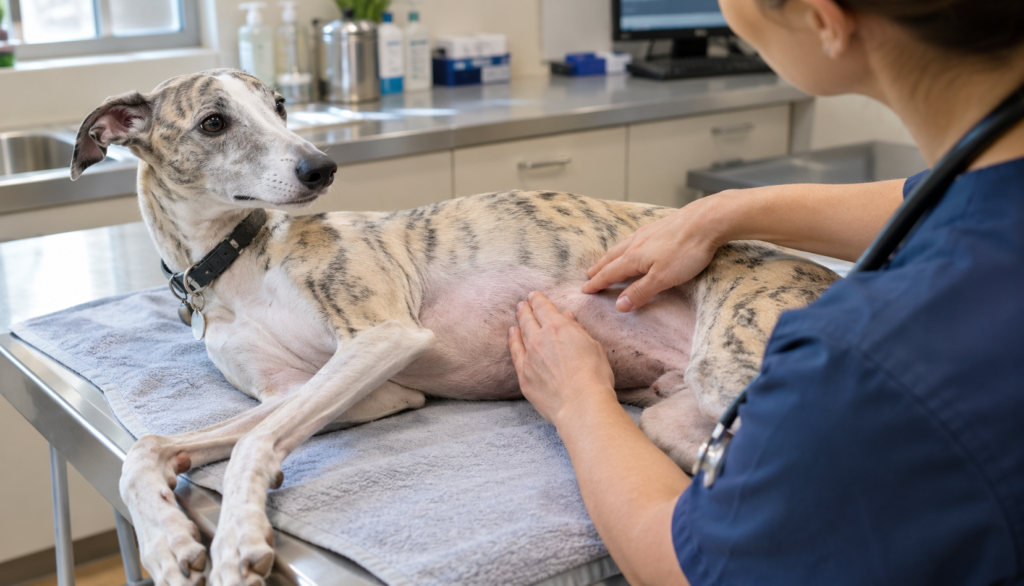
If vomiting becomes a recurring issue rather than a one-off, a vet will typically start with a physical exam and a detailed history — what your dog ate, when the vomiting started, and what it looks like. From there, diagnostics often include bloodwork to check organ function, X-rays or ultrasound to look for blockages or masses, and sometimes fecal testing to rule out parasites. In persistent or unclear cases, more advanced tools like endoscopy may be used to examine the stomach lining directly.
Chronic or recurring vomiting can stem from causes ranging from food sensitivities and inflammatory bowel disease to kidney or liver issues, pancreatitis, or ingested foreign objects that partially obstruct the gut. This is exactly why a pattern of repeated vomiting, even if each individual episode seems mild, deserves proper investigation rather than repeated at-home management.
FAQ
Q. How many times can a dog vomit before it’s an emergency?
A. One or two isolated episodes in an otherwise normal, active dog usually isn’t an emergency. But vomiting more than two or three times in a few hours, or vomiting that continues into a second day, is a sign to call your vet rather than wait it out.
Q. What does it mean if my dog’s vomit is yellow?
A. Yellow vomit usually means bile, which typically shows up when the stomach has been empty for a while — often overnight or with irregular feeding times. An occasional yellow vomit first thing in the morning is usually not concerning, but frequent bile vomiting is worth mentioning to your vet.
Q. Should I withhold food from a vomiting dog?
A. For a single mild episode, many vets recommend withholding food (not water) for about 8 to 12 hours, then reintroducing a bland diet like plain chicken and rice in small amounts. Don’t extend a food fast longer than that without veterinary guidance, especially for puppies or small dogs.
Q. Is vomiting blood always an emergency in dogs?
A. Yes. Blood in vomit — whether bright red streaks or a darker, coffee-ground texture — always warrants an immediate call to your vet or an emergency clinic, since it indicates bleeding somewhere in the digestive tract.