
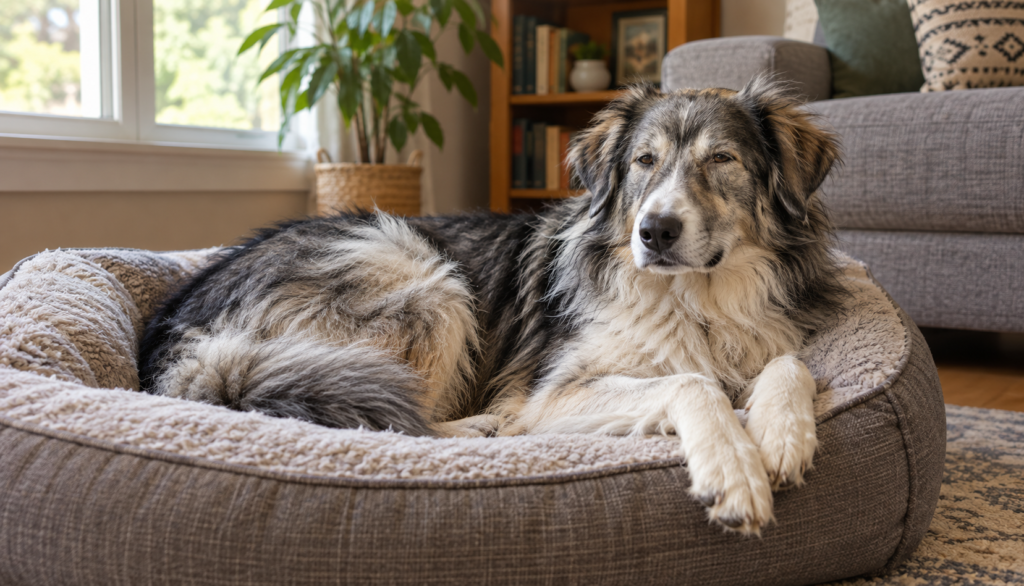
Watching a dog turn around and eat what they just threw up is one of those moments that catches almost every owner off guard the first time it happens. It looks unhygienic, maybe even a little alarming, and the instinct is to assume something is wrong. In most cases, though, this behavior is rooted in ordinary canine instinct rather than illness. That said, there are patterns and circumstances where it’s worth paying closer attention, and knowing the difference matters for your dog’s health.
It helps to remember that dogs experience food, mess, and even bodily fluids through a completely different lens than humans do. What reads as revolting to us is, to a dog’s nose and instincts, often just food that happens to have been outside the body briefly. That gap in perception is the root of almost everything in this guide.
This guide breaks down why dogs do this, when it’s genuinely nothing to worry about, when it signals something that needs a vet’s input, and what you can do about it either way.
Why Do Dogs Eat Their Own Vomit? The Main Reasons
Dogs don’t experience the same disgust response to vomit that humans do, and several overlapping instincts explain why re-eating it is common rather than rare.
- Ancestral scavenging instinct. Wild canines evolved to waste as little food as possible. Regurgitated, partially digested food was historically a resource, not waste — mother wolves and dogs still regurgitate food for puppies to eat as a natural weaning behavior.
- It still smells and tastes like food. If the vomit contains undigested kibble, treats, or table scraps, it often still smells appetizing to a dog, especially one who eats quickly or was hungry to begin with.
- Instinctive cleanliness in the den. Dogs have a denning instinct that drives them to keep their sleeping and living area free of anything that could attract predators or parasites, and eating up a mess is a fast way to do that.
- Learned behavior from puppyhood. Puppies that grew up around a mother who regurgitated food for them, or that lived in multi-dog households where food scarcity or competition was a factor, are more likely to carry the habit into adulthood.
- Habit and repetition. Once a dog eats their vomit once without any negative consequence, it can simply become a learned response the next time it happens.
None of these explanations point to a medical problem. They describe a dog acting on old, deeply wired instincts rather than a dog in distress.
When It’s Usually Normal
In the large majority of cases, a dog eating their vomit falls into the category of an odd-looking but harmless habit. The pattern that suggests this is nothing to worry about looks like this:
- It happens occasionally, not as a daily or constant behavior
- The vomit itself looked like normal, undigested or partially digested food with no unusual color or texture
- Your dog is acting completely normal afterward — good energy, good appetite, no other symptoms
- There’s an obvious trigger, like eating too fast, a big meal, or mild car sickness
- There’s no blood, no unusual odor, and no straining involved
- Your dog is otherwise healthy with no ongoing digestive issues
In this scenario, the behavior is more of a quirky habit to manage than a health concern to treat. Many owners simply learn to intervene quickly after a vomiting episode rather than worrying about the underlying cause.
When to Worry: Red Flags That Mean Something More
Eating vomit becomes a more meaningful signal when it’s tied to other symptoms or when the vomiting itself is frequent or unusual. Watch for:
- Frequent or repeated vomiting — a dog vomiting multiple times a week, or several times in one day, regardless of whether they eat it afterward
- Compulsive or frantic re-eating — lunging for vomit immediately, every single time, especially paired with signs of anxiety
- Weight loss or a poor coat — this can point to a nutrient absorption issue, parasite load, or an underlying digestive disease driving both the vomiting and an increased drive to scavenge
- Blood in the vomit — fresh red streaks or a dark, coffee-ground appearance always warrants a vet call, regardless of whether your dog eats it
- Vomiting paired with diarrhea, lethargy, or appetite loss — this combination suggests a broader digestive or systemic issue
- A sudden increase in scavenging behavior generally — eating unusual non-food items, garbage, or feces alongside vomit can point to a condition called pica, which sometimes has a medical root cause such as nutrient deficiency, gastrointestinal disease, or a behavioral disorder
- Known ingestion of something toxic or dangerous — if your dog vomited up something they shouldn’t have eaten, letting them re-ingest it can expose them to the same risk twice
If any of these apply, the eating-vomit behavior itself isn’t the primary concern — it’s a clue pointing toward whatever is causing the vomiting or the scavenging drive in the first place.
Should You Stop Your Dog From Eating Their Vomit?
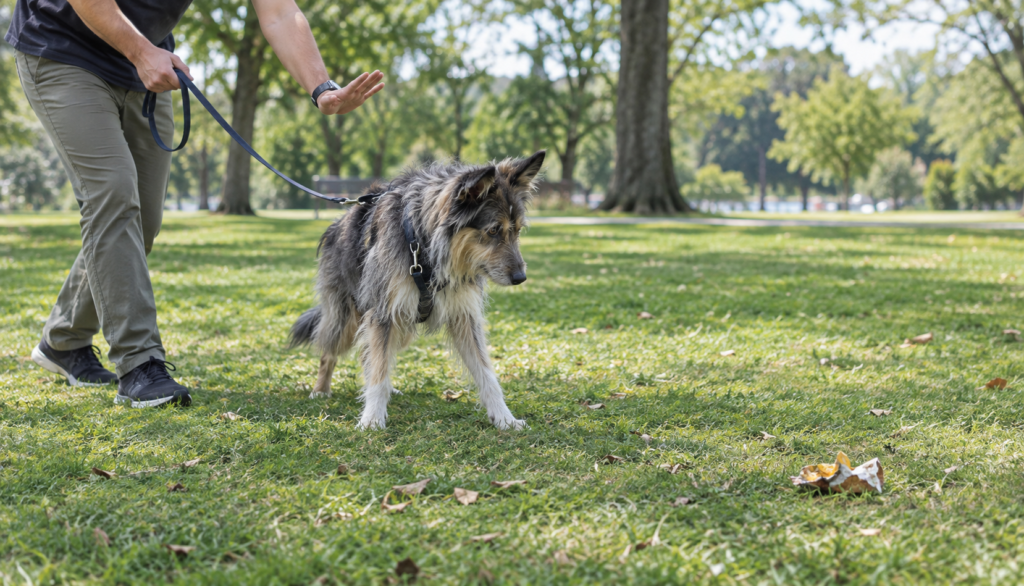
Even when the behavior is harmless in origin, most vets recommend gently preventing it when you can, for a few practical reasons rather than a serious health rationale. It’s less about the act itself being dangerous and more about what you lose the ability to see and control once the evidence is gone.
- It removes a diagnostic clue. If you need to describe the vomit to a vet — color, texture, presence of blood, undigested objects — having it available (even a photo) is far more useful than a dog eating the evidence.
- It can create a rapid re-vomit cycle. Eating vomit means reintroducing food and stomach acid into an already upset stomach, which sometimes triggers a second round of vomiting shortly after.
- It’s an easy habit to reinforce accidentally. If eating vomit becomes a reliable, repeated behavior, it can generalize into broader scavenging tendencies that are harder to manage later.
- Toxin exposure risk. If the original vomiting was caused by something toxic, letting your dog eat it again means a second dose of whatever caused the problem.
That said, if you don’t catch it in time, a single instance of a dog eating their own vomit is not typically dangerous to their health.
How to Manage or Prevent the Behavior
If this has become a recurring habit you’d like to break, a few practical steps go a long way:
- Move quickly after a vomiting episode. Cover or remove the vomit with a towel or paper towel immediately, then clean the area, rather than leaving it accessible.
- Use a firm but calm interrupt cue. A simple “leave it” command, reinforced consistently, works well for many dogs once they’ve learned it in other contexts.
- Address the root cause of frequent vomiting. If your dog vomits often enough that this keeps coming up, focus on solving that underlying pattern — diet changes, smaller and more frequent meals, or a vet visit — rather than only managing the aftermath.
- Slow down fast eaters. Since eating too quickly is a common vomiting trigger, a slow-feeder bowl can reduce how often vomiting happens at all.
- Rule out anxiety-driven scavenging. If the behavior seems compulsive or paired with general anxiety, working with a vet or trainer on the anxiety itself often reduces the scavenging drive.
- Keep your dog on a consistent feeding schedule. Dogs who are never particularly hungry tend to show less interest in reclaiming vomited food.
None of these require anything drastic — consistency and quick cleanup solve the behavior for most dogs within a short period.
What Most People Don’t Know
Most owners assume a dog eating vomit is purely a gross, isolated habit, but it’s actually connected to the same instinct that makes mother dogs regurgitate food for puppies during weaning — a completely natural, evolutionarily useful behavior in that context. What looks like a strange or even embarrassing quirk in an adult dog is, in many cases, a faint echo of a maternal feeding behavior that had a real biological purpose.
It’s also worth knowing that eating vomit is technically a form of coprophagia’s cousin behavior rather than coprophagia itself (which refers specifically to eating feces) — the two are often lumped together by owners, but vets treat them as related-but-distinct behaviors with somewhat different root causes and considerations.
When to See a Vet
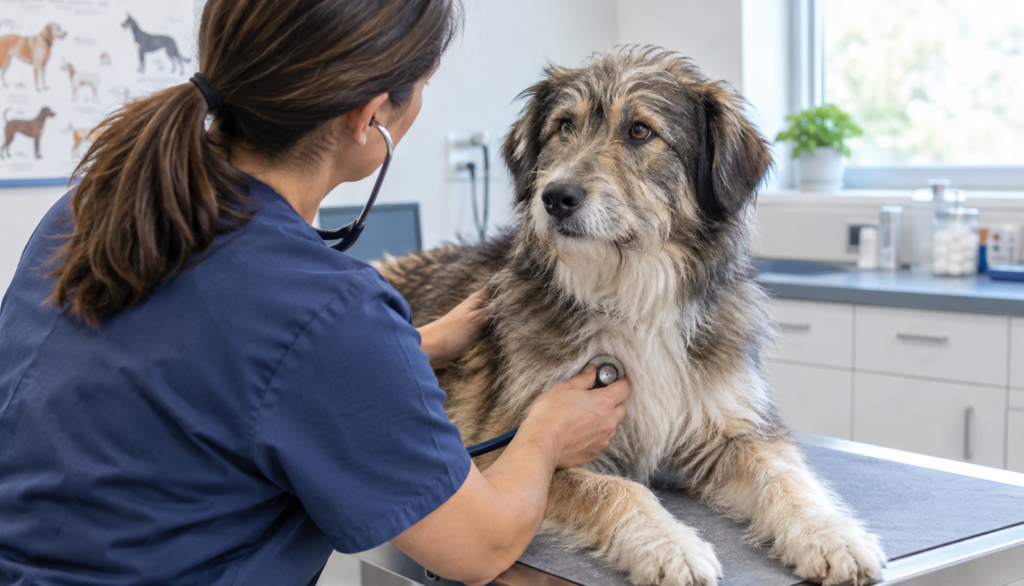
Most instances of this behavior don’t need a vet visit on their own. But you should schedule an appointment if:
- Vomiting is happening frequently enough that eating it comes up as a recurring issue
- You notice blood, an unusual color, or a strong foul odor in the vomit
- Your dog has lost weight, has a dull coat, or seems generally unwell
- The scavenging behavior has expanded to include non-food items or feces
- Your dog vomited after eating something you know or suspect was toxic
- The behavior is paired with visible anxiety, compulsive pacing, or other behavioral changes
A vet can run bloodwork, check for parasites, and rule out gastrointestinal disease if the underlying vomiting pattern seems abnormal rather than incidental.
Frequently Asked Questions
Q. Is it normal for a dog to eat its own vomit?
A. Yes, in most cases. It’s rooted in ancestral scavenging and denning instincts, and the same behavior mothers use to regurgitate food for weaning puppies. An occasional instance with no other symptoms is not a health concern.
Q. Should I stop my dog from eating their vomit?
A. It’s a good habit to gently discourage, mainly because it removes your ability to see the vomit for diagnostic clues and can trigger a second round of vomiting. It’s not usually dangerous if you miss it once.
Q. When does a dog eating vomit mean something is wrong?
A. Watch for frequent vomiting, blood or unusual color in the vomit, weight loss, compulsive scavenging of non-food items, or vomiting paired with diarrhea or lethargy — these warrant a vet visit.
Q. Is eating vomit the same as coprophagia?
A. No. Coprophagia specifically refers to eating feces. Eating vomit is a related but distinct behavior, though both can stem from similar instinctual or medical roots.