
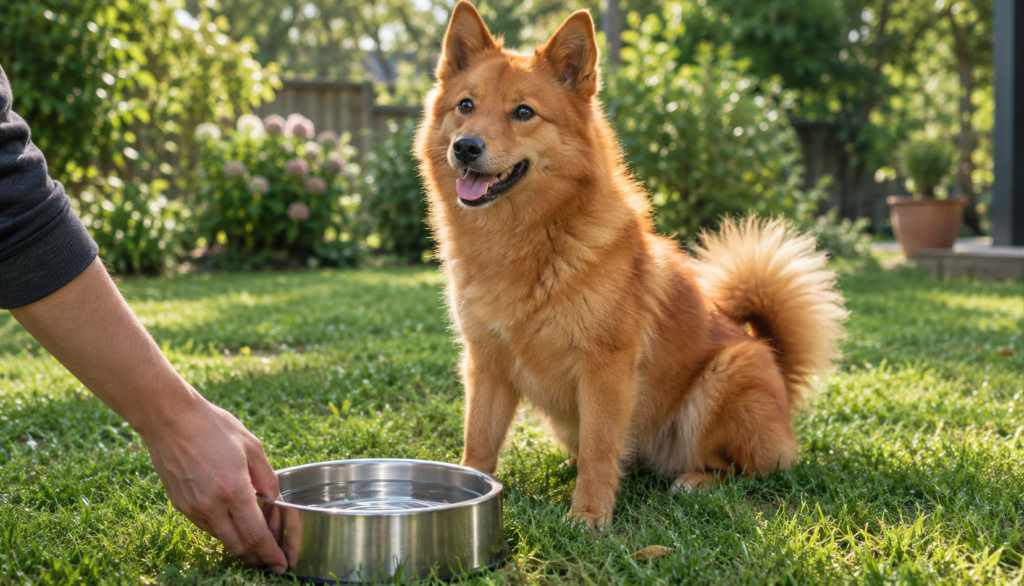
Few things alarm a dog owner like the sound of retching followed by a puddle of clear liquid on the floor. If your dog is vomiting clear liquid, the first questions are usually the same: is this serious, and do I need a vet right now? The honest answer is that it depends. A single episode in an otherwise bright, playful dog is often minor. Repeated episodes, or clear liquid alongside other symptoms, can point to something that needs prompt treatment.
This guide explains what clear vomit actually is, the most common reasons a dog throws up clear liquid, the warning signs that turn a “wait and watch” situation into an emergency, and what you can safely do at home in the meantime.
What Is Clear Liquid Vomit in Dogs?
When a dog throws up clear liquid, the fluid is usually one of three things: saliva, gastric (stomach) secretions, or water the dog drank and could not keep down. Clear vomit has no food, no color, and often little smell. It can look like plain water or have a slightly slimy, stringy texture because of mucus.
Appearance matters, because the look of the vomit helps you and your vet narrow down the cause. Here is how clear vomit compares with other types you may see:
- Clear and watery: saliva, stomach fluid, or swallowed water
- White foam: stomach fluid mixed with air, often from retching on an empty stomach or from airway irritation
- Yellow or green bile: fluid from the small intestine, common when the stomach has been empty for a long time
- Brown, grainy, or foul-smelling: can signal a blockage or digested blood and needs a vet
- Red streaks or coffee-ground material: bleeding in the upper digestive tract and always a reason to call a vet
Understanding the vomit’s appearance is only the first step. The bigger clues come from how your dog is behaving and how often the vomiting happens.
Common Causes of a Dog Throwing Up Clear Liquid
Empty Stomach and Stomach Acid Build-Up
One of the most common reasons for a dog vomiting stomach acid or clear fluid is an empty stomach. Gastric acid keeps being produced even when there is no food to digest, and that can irritate the stomach lining and trigger nausea. Dogs fed only once a day, or dogs who skip a meal, sometimes vomit clear liquid or foam. This is especially common in the early morning, which is why many owners notice a dog vomiting clear liquid in the morning before breakfast, or a dog vomiting clear liquid at night after a long gap since dinner. Splitting the daily food into two or three smaller meals often helps.
Drinking Water Too Fast
If your dog gulps a large bowl of water, the stomach can reject it within minutes. This is a frequent explanation for a dog vomiting clear liquid after drinking water, particularly after exercise, on a hot day, or when a dog is very excited. The vomit looks like the water that went in. If your dog acts completely normal afterward, rapid water intake is a likely culprit. Offering small amounts of water more often can prevent a repeat.
Eating Grass or Other Irritants
Many dogs eat grass, and a dog vomiting after eating grass often brings up clear or slightly green fluid. The grass tickles the stomach and throat and can trigger a quick vomit. Occasional grass eating followed by one episode is usually harmless, but regular grass eating with frequent vomiting is worth mentioning to your vet. Make sure the lawn has not been treated with fertilizer, herbicide, or pesticide.
Gastritis and Acid Reflux
Inflammation of the stomach lining, called gastritis, can cause nausea and repeated vomiting of clear fluid or foam. It can be triggered by eating something unusual, table scraps, garbage, or a sudden diet change. Reflux, where stomach contents travel back up toward the throat, can cause a similar picture, with a dog licking the air, swallowing repeatedly, gulping, or looking uncomfortable around mealtimes.
Motion Sickness and Nausea
Car rides, boat trips, and even stress can cause nausea. A drooling, lip-licking, restless dog who then vomits clear liquid during or after travel is probably motion sick. Typical signs of nausea include excessive drooling, repeated swallowing, lip smacking, hiding, and refusing treats.
Kennel Cough and Throat Irritation
Sometimes what looks like vomiting is actually a coughing fit that ends in a gag. A dog gagging and bringing up clear or white foamy mucus may have kennel cough, throat irritation, or something stuck in the throat. A honking, dry cough is a clue. If your dog is coughing along with gagging, mention that to your vet, because it changes the diagnosis.
Foreign Objects and Intestinal Blockage
Dogs swallow socks, toys, corn cobs, bones, and fabric. A partial blockage can cause intermittent vomiting of clear fluid, reduced appetite, lethargy, and abdominal pain. As the blockage progresses, the vomiting usually becomes more frequent and the dog cannot keep even water down. A suspected foreign body is a veterinary emergency.
Toxins and Poisoning
Clear vomiting can be an early sign of toxin ingestion, including chocolate, grapes, xylitol, certain plants, antifreeze, rodent poison, and human medications. If there is any chance your dog ate something toxic, do not wait for more symptoms. Call your vet or an animal poison hotline immediately.
Underlying Illness
Repeated clear vomiting can be a symptom of a deeper problem. Pancreatitis, kidney disease, liver disease, Addison’s disease, diabetes complications, and infections can all cause nausea and vomiting. This is especially important when the dog is a senior, because a senior dog vomiting repeatedly is more likely to have an underlying condition than a young, healthy dog with a one-off episode.
Dog Vomiting Clear Liquid but Acting Normal: Should You Worry?
If your dog vomited clear liquid once, then went back to playing, eating, drinking, and passing normal stools, the situation is usually low risk. Veterinarians often describe this as a self-limiting upset stomach. Simple causes like an empty stomach, gulping water, or grass eating are most likely.
Still, “acting normal” has limits. Watch your dog closely over the next 12 to 24 hours. If the vomiting returns, or new symptoms appear, the situation changes. The key distinction is between acute vomiting, which starts suddenly and often resolves quickly, and chronic vomiting, which comes and goes over days or weeks. Chronic vomiting always deserves a vet visit, even if your dog seems fine between episodes.
When to Call the Vet: Emergency Signs
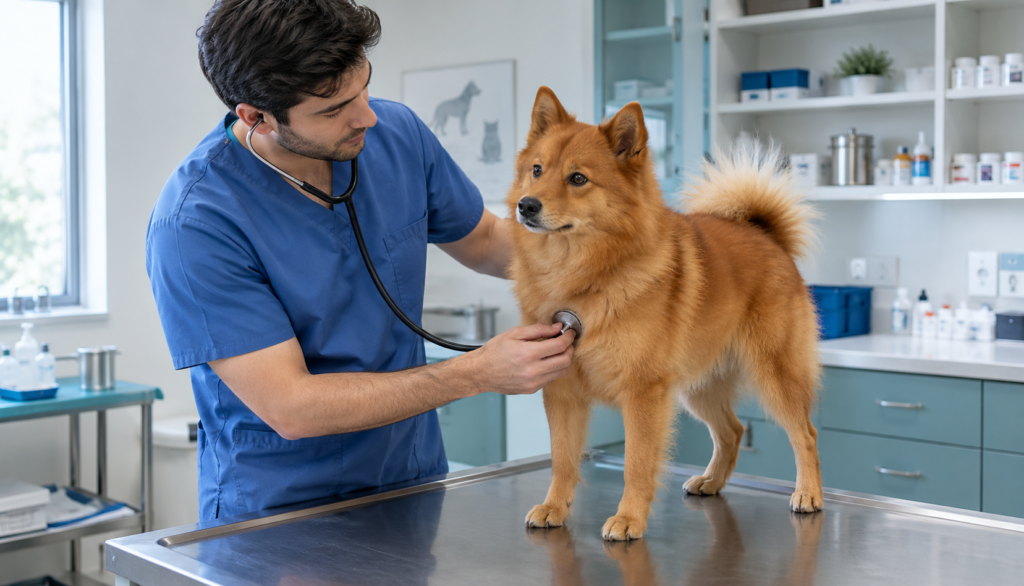
Knowing when to call the vet for dog vomiting can save your dog’s life. Some situations are true emergencies. Others can wait for a same-day appointment. Use the table below as a quick reference.
| Situation | What It May Mean | What to Do |
|---|---|---|
| Single episode, dog bright and eating | Empty stomach, gulped water, grass | Monitor at home for 12–24 hours |
| Vomiting two or three times in a day | Gastritis, dietary upset, mild infection | Call your vet for advice the same day |
| Vomiting continues beyond 24 hours | Persistent illness or obstruction | Vet visit within 24 hours |
| Not eating and lethargic | Infection, pancreatitis, organ disease | Same-day vet visit |
| Vomiting plus diarrhea | Stomach bug, parasites, parvovirus in puppies | Same-day vet visit, urgent for puppies |
| Retching with nothing coming up, swollen belly | Possible bloat (GDV) | Emergency vet immediately |
| Blood in vomit, pale gums, collapse | Internal bleeding, shock, poisoning | Emergency vet immediately |
| Known or suspected toxin ingestion | Poisoning | Emergency vet or poison hotline immediately |
Pay special attention to dog bloat symptoms. Bloat, also called gastric dilatation-volvulus, mostly affects large, deep-chested breeds. Warning signs include unproductive retching or dog dry heaving, a tight or swollen abdomen, restlessness, drooling, and pacing. Bloat can become fatal within hours, so a dog that retches without producing anything should be seen immediately.
Puppies deserve extra caution. A puppy vomiting clear liquid can dehydrate quickly and may be developing parvovirus or another serious infection, particularly if unvaccinated. Do not wait on a young puppy. Small and toy breeds also lose fluids fast.
Signs of Dehydration in Dogs
Repeated vomiting drains fluids and electrolytes. Learning the signs of dehydration in dogs helps you judge how urgent the situation is:
- Dry, sticky, or tacky gums
- Skin that is slow to spring back when gently lifted at the shoulders
- Sunken eyes
- Thick saliva and a dry nose
- Weakness, lethargy, or a dog who will not get up
- Gums that are pale instead of healthy pink, or a slow return of color when you press a gum and release it
Checking gum color and capillary refill takes seconds. Press a fingertip on the gum until it turns white, then release. Healthy color returns in about one to two seconds. A longer delay suggests dehydration or poor circulation and means your dog needs veterinary care.
What Most People Don’t Know
Many owners assume clear vomit is the “safe” kind, and that only yellow, bloody, or chunky vomit is a problem. That is not reliable. Clear liquid can be the very first sign of serious conditions, including a blockage, toxin exposure, or pancreatitis. The color of vomit says less than the pattern: how often it happens, whether your dog can keep water down, and how your dog behaves between episodes.
Another overlooked point is that vomiting and regurgitation are different. Vomiting involves visible abdominal effort, drooling, and nausea beforehand. Regurgitation is passive: liquid or food simply comes back up, often with no warning, and it can point to esophageal problems rather than stomach upset. Telling your vet which one you saw helps them choose the right tests.
Finally, never give human medication for a dog’s vomiting. Ibuprofen, naproxen, aspirin, and many anti-nausea products for people can be harmful or deadly for dogs. Only give medication your vet has prescribed for your specific dog.
What to Do at Home After Your Dog Vomits Clear Liquid
If your dog is an otherwise healthy adult, bright, and has vomited only once or twice, these steps are the usual starting point. They are not suitable for puppies, very small dogs, senior dogs, or dogs with diabetes or other health conditions, who should be guided by a vet.
Rest the Stomach Briefly
Many vets suggest withholding food for about 6 to 12 hours in a healthy adult dog so the stomach can settle. Ask your vet before fasting a puppy, a toy breed, or a diabetic dog, since they should not go long without food. Always keep fresh water available, but offer it in small amounts. A few sips or ice chips every 15 to 30 minutes is gentler than a full bowl.
Reintroduce a Bland Diet
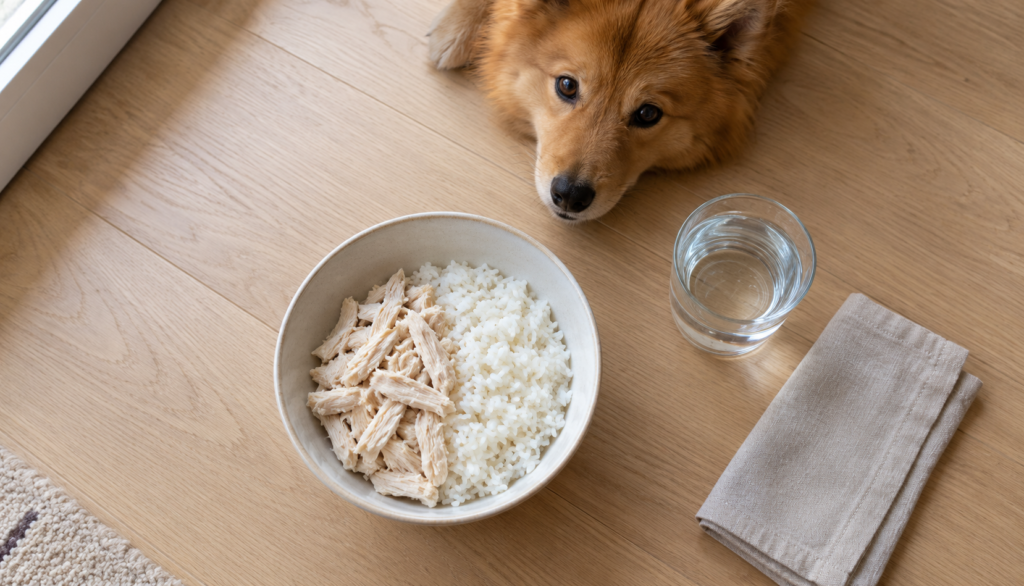
If there is no more vomiting, start with small portions of a bland diet. The classic choice is plain boiled chicken breast with white rice, no skin, seasoning, oil, or butter. This is the answer to the common question of what to feed a dog after vomiting, and chicken and rice for dogs works because it is easy to digest. Offer a few spoonfuls, wait a couple of hours, and increase gradually over a day or two before returning to the normal food in a slow transition.
Watch and Record
Note the time of each episode, what the vomit looked like, how much water your dog drinks, and any changes in energy, stool, or appetite. A short written log or a few phone photos make the vet visit much more productive.
What Not to Do
- Do not force food or water
- Do not give human anti-nausea or pain medication
- Do not try to induce vomiting unless a vet or poison hotline specifically tells you to
- Do not ignore vomiting that lasts longer than a day
- Do not rely on internet dog vomiting home remedies in place of a vet when red flags are present
How Vets Diagnose the Cause
If your dog needs a vet visit, expect questions about diet, access to trash or toxins, vaccination, and the timeline of symptoms. The exam usually includes checking hydration, gum color, and abdominal comfort. Depending on the findings, your vet may recommend blood work, a urinalysis, X-rays or ultrasound to look for blockages, a fecal test, or a parvovirus test in puppies. Treatment may include anti-nausea medication, fluids under the skin or through an IV, a special diet, or surgery if a foreign body is found.
How to Prevent Vomiting in Dogs
- Feed two or three smaller meals a day instead of one large meal
- Use a slow-feeder bowl for fast eaters
- Introduce new foods and treats gradually
- Keep trash, medications, and toxic foods out of reach
- Limit rapid water drinking after exercise, and offer water in stages
- Use a vet-approved plan for motion sickness before long car trips
- Keep vaccinations and parasite prevention up to date
- Choose sturdy toys that cannot be chewed into swallowable pieces
Frequently Asked Questions
Q. Is it normal for a dog to throw up clear liquid once?
A. A single episode in an otherwise healthy, active dog is often not serious and can come from an empty stomach, gulping water, or eating grass. Watch your dog for the next 12 to 24 hours. If vomiting repeats, or your dog becomes lethargic or stops eating, call your vet.
Q. Why is my dog throwing up water and not eating?
A. Vomiting plus loss of appetite suggests more than a simple empty stomach. Possible causes include gastritis, infection, pancreatitis, kidney problems, or a swallowed foreign object. This combination calls for a same-day vet visit, especially if your dog is also tired or has diarrhea.
Q. Should I give my dog food after vomiting clear liquid?
A. For a healthy adult dog, many vets suggest resting the stomach for 6 to 12 hours, then offering small portions of a bland diet such as plain boiled chicken and rice. Puppies, small dogs, seniors, and diabetic dogs should not fast without veterinary guidance.
Q. When is dog vomiting an emergency?
A. Go to an emergency vet if your dog retches without producing anything, has a swollen belly, vomits blood, has pale gums, collapses, or may have eaten a toxin. Repeated vomiting in a puppy or a dog who cannot keep water down also needs urgent care.