
Whelping is the process of a dog giving birth to her puppies, and while most dogs deliver naturally without human intervention, knowing what to expect and when to step in can be the difference between a smooth delivery and a life-threatening emergency. This guide walks through every stage of canine labor, from the first signs of pre-labor restlessness to the final puppy delivered, so you know exactly what’s normal, what’s not, and when to call the vet.
Preparing the Whelping Box
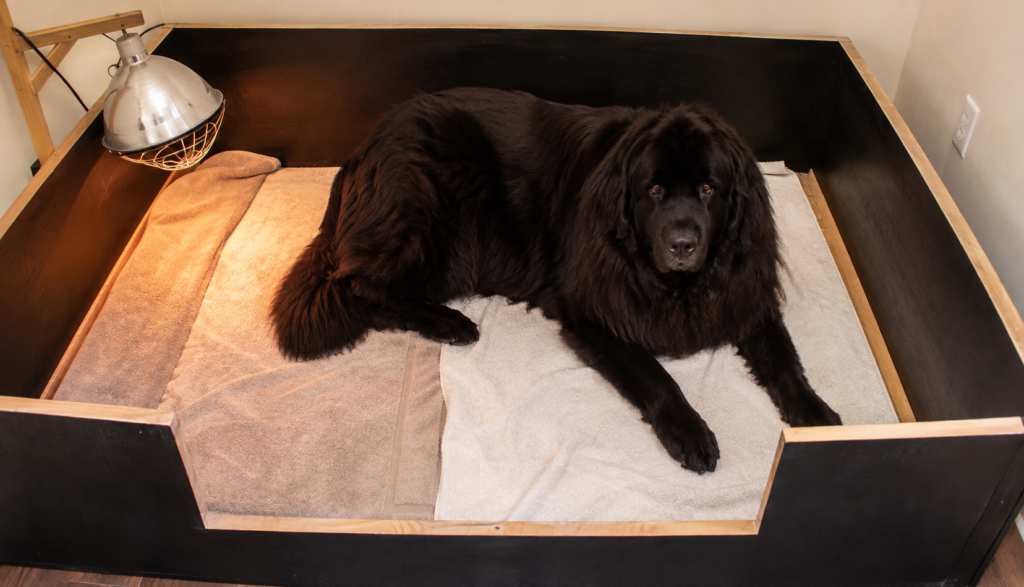
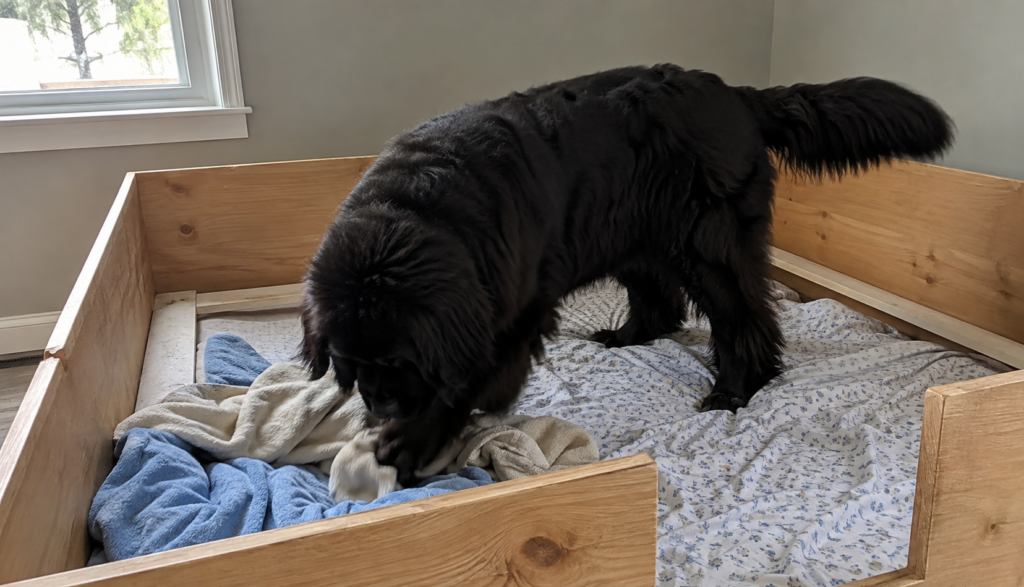
Set up the whelping box at least a week before the due date so your dog has time to get comfortable in it. The box should be large enough for her to lie fully stretched out, with low sides she can see over but high enough to keep newborn puppies from wandering out. Line it with clean, washable bedding — towels or puppy pads work well since they’ll need frequent changing.
Place the box somewhere quiet, warm, and away from household foot traffic. Dogs instinctively look for a den-like space to give birth, and a calm environment reduces stress-related labor complications. Keep a heating pad or heat lamp nearby (set to a safe, indirect temperature) since newborn puppies can’t regulate their own body heat for the first couple of weeks.
| Whelping Supply | Why You Need It |
|---|---|
| Clean towels | Drying puppies immediately after birth |
| Digital thermometer | Tracking the pre-labor temperature drop |
| Unscented dental floss | Tying off umbilical cords if needed |
| Sterile scissors | Cutting umbilical cords if the mother doesn’t |
| Heating pad or lamp | Keeping newborns warm |
| Scale (grams) | Weighing puppies at birth and daily after |
| Vet’s emergency number | Immediate access if complications arise |
Recognizing the Start of Labor
The most reliable early sign is a drop in rectal temperature, typically to around 99°F or lower, usually 12 to 24 hours before labor begins. Take her temperature twice daily in the final week leading up to the due date so you catch this drop as it happens.
Alongside the temperature drop, watch for nesting behavior, restlessness, pacing, panting, loss of appetite, and vomiting. Some dogs become clingy and seek out their owner constantly in the hours before labor; others withdraw and want to be left alone. Both are normal.
Stage One: Early Labor
Early labor involves uterine contractions that aren’t yet visible from the outside. This stage can last anywhere from 6 to 12 hours, sometimes longer in first-time mothers. Your dog may shiver, dig at her bedding, refuse food, and appear visibly uncomfortable without straining. This is normal and doesn’t require intervention — just monitor from a distance and keep the environment calm.
During this stage, the cervix is dilating and the puppies are beginning to move into position for birth, but none of that is visible from outside. Some dogs pace in and out of the whelping box repeatedly, unable to settle; others burrow into bedding and want to be left completely alone. Both patterns are normal first-stage behavior. Avoid the temptation to constantly check on her during this window — frequent handling and hovering can raise her stress hormones and, in some cases, slow labor down rather than speed it up. A quiet, dimly lit room with minimal foot traffic gives her the best conditions to progress naturally.
It’s also common for appetite to disappear completely during early labor even in dogs who ate normally right up until the temperature drop. Don’t force food or treats during this window; focus instead on making sure fresh water stays available since panting and physical exertion increase fluid needs.
Stage Two: Active Labor and Delivery
Active labor is marked by visible abdominal straining and contractions strong enough to see. The first puppy typically arrives within 1 to 2 hours of active straining beginning. Puppies are usually born 30 to 60 minutes apart, though gaps of up to 2 hours between puppies can still be normal, especially partway through a large litter.
Most puppies are born inside an amniotic sac, which the mother instinctively tears open, licks clean, and stimulates to breathe by vigorous licking. If she doesn’t remove the sac within a minute or two, gently tear it open yourself starting at the puppy’s nose and mouth so it can breathe.
The mother will usually chew through the umbilical cord and may eat the placenta — this is normal instinctive behavior, and in the wild it provides nutrients and helps mask the scent of birth from predators. If she doesn’t sever the cord within a few minutes, tie it off with clean dental floss about an inch from the puppy’s body and cut on the far side with sterile scissors.
Between puppies, the mother will typically pause to lick and nurse the ones already born, which is a good sign — it means her attention and instincts are engaged. It’s normal for her to rest for anywhere from a few minutes up to an hour between deliveries, especially as the litter progresses and she tires. If you’re keeping a birth log (recommended for larger litters), note the time, any visible complications, and the sex of each puppy as it arrives — this record is genuinely useful if you need to describe the labor to a vet later.
Watch her breathing and gum color throughout active labor. Pale or bluish gums, excessive panting that doesn’t ease between contractions, or visible trembling beyond normal labor shivering are signs of distress that go beyond typical whelping discomfort and warrant a call to the vet.
Stage Three: Delivering the Placenta
A placenta follows each puppy, though not always immediately — sometimes two puppies arrive before both placentas pass. Count placentas against the number of puppies born; a retained placenta can cause serious infection and needs veterinary attention if you suspect one wasn’t delivered.
When to Call the Vet Immediately
Most whelping goes smoothly, but certain signs mean you need veterinary help right away, not “wait and see.” Call immediately if you notice any of the following:
- Strong, visible straining for more than 30 to 60 minutes with no puppy delivered
- More than 2 to 4 hours pass between puppies while she’s still clearly pregnant
- Green or black discharge before the first puppy arrives (a sign of placental separation)
- Visible weakness, collapse, or a rectal temperature spike above 103°F
- A puppy visibly stuck in the birth canal
- Labor stops for more than 2 hours and you know puppies remain (confirmed by earlier vet ultrasound or x-ray)
Large-breed litters and known litter sizes from a pre-birth x-ray are useful here — if the x-ray showed 6 puppies and only 4 have arrived with labor stalled, that’s a clear signal something needs veterinary attention.
What Most People Don’t Know
Many owners assume a mother dog needs constant hands-on help to deliver, but the healthiest approach is usually to observe closely and intervene only when something goes wrong. Over-handling puppies or interfering with a mother who’s managing delivery fine on her own can increase her stress and disrupt the process. The best whelping assistance often looks like sitting quietly nearby with a phone ready to call the vet, not hovering over every contraction.
Another overlooked detail: brachycephalic breeds (French Bulldogs, Bulldogs, Boston Terriers) and breeds with historically narrow hips have a much higher rate of needing a planned C-section, and many breeders schedule this in advance rather than risk a prolonged natural labor. If you have one of these breeds, this is a conversation to have with your vet well before the due date, not during labor.
Caring for the Mother and Puppies After Whelping
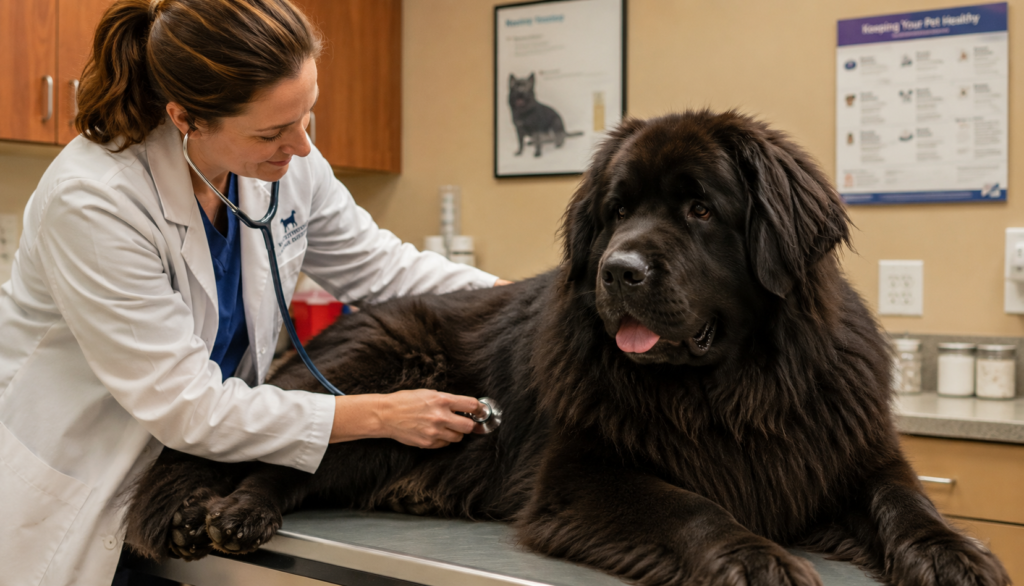
Once whelping is complete, let the mother rest with her puppies in a quiet space undisturbed by visitors for the first 24 to 48 hours. She’ll need easy access to food, water, and a clean area to nurse. Puppies should be nursing within the first hour or two of birth — weak or excluded puppies may need supplemental feeding, so weigh each puppy at birth and daily afterward to confirm steady weight gain.
Schedule a postpartum vet check within 24 to 48 hours to confirm no retained placentas or puppies, and to check the mother for signs of infection or eclampsia (a dangerous calcium drop that can occur during nursing).
Keep the whelping area at a stable, warm temperature for the first two weeks — around 85°F for the first few days, gradually stepping down as the puppies grow and can regulate their own body heat better. Change bedding daily, since a clean, dry environment reduces the risk of infection for both the mother and the newborns. Limit visitors and other pets’ access to the nursing area during this period; a stressed or overstimulated mother is more likely to be inattentive to her puppies or, in rare cases, show aggression toward perceived threats near the litter.
Track the mother’s appetite closely in the days after whelping. Nursing a litter is energy-intensive, and she’ll need significantly more calories than during pregnancy — many owners switch to a high-quality puppy food for the mother herself during lactation, since it’s calorie-dense enough to support milk production. A sudden loss of appetite, fever, foul-smelling discharge, or reluctance to nurse are all reasons to contact your vet promptly rather than waiting for the scheduled checkup.
Frequently Asked Questions
Q. How long does it take for a dog to give birth to all her puppies?
A. Total whelping time varies with litter size, but most dogs finish delivering within 6 to 12 hours from the first puppy. Very large litters can take longer, with natural breaks between puppies.
Q. Should I help pull a puppy out during delivery?
A. Only if a puppy is visibly stuck and the mother has been straining without progress for several minutes — and even then, gentle traction timed with her contractions is the limit. Anything beyond that is a reason to call the vet, not to keep trying at home.
Q. Can I touch the puppies right after birth?
A. Light handling to weigh and check puppies is fine, but keep it brief in the first hours so the mother can bond and nurse without excessive disruption.
Q. What if my dog stops labor partway through?
A. A natural rest period between puppies is normal, especially with large litters. But if she’s clearly still pregnant and labor has stalled for more than 2 hours with no contractions, that’s uterine inertia and needs veterinary attention.