

energy. That said, not all types of rice are equally beneficial, and portion size matters. This guide covers everything you need to know about feeding rice to your dog safely.
Is Rice Safe for Dogs?
Rice is generally safe for dogs when it is fully cooked and served plain, without butter, salt, oil, or seasoning. It is a staple ingredient in many commercial dog foods because it’s a digestible carbohydrate that supplies energy without being hard on the gut. Veterinarians frequently recommend a simple boiled chicken and rice combination for dogs experiencing diarrhea, vomiting, or general stomach upset, since it’s bland, low in fat, and easy on an inflamed digestive tract.
White Rice vs. Brown Rice for Dogs
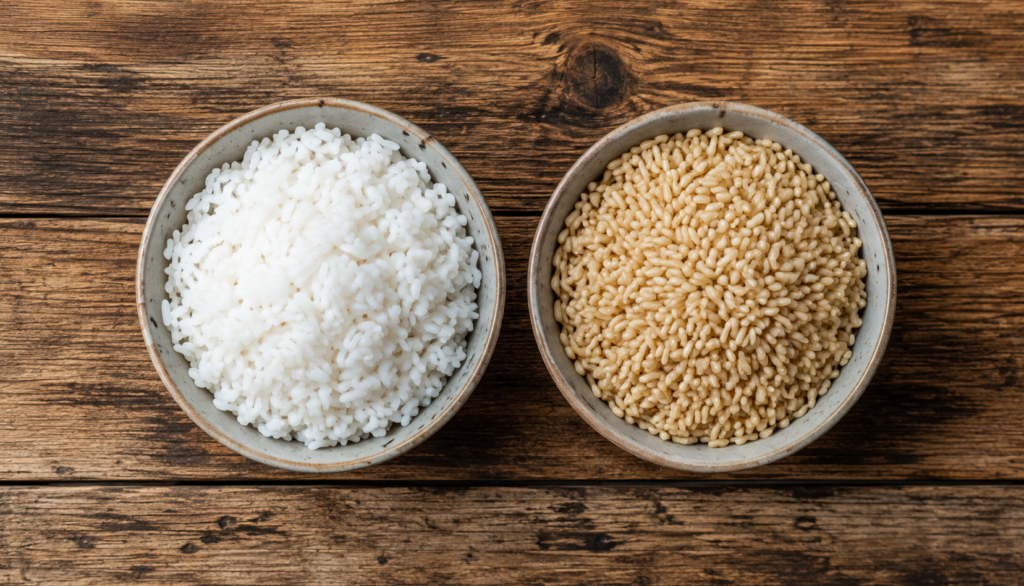
Both white and brown rice are safe options, but they serve slightly different purposes.
| Type | Digestibility | Best Use |
|---|---|---|
| White Rice | Very easy to digest, low fiber | Best for upset stomach, diarrhea, or recovery diets |
| Brown Rice | Higher fiber, more nutrients | Better for healthy dogs as a regular diet addition |
White rice is stripped of its bran and germ, which makes it lower in fiber and easier for a sensitive stomach to process. Brown rice retains more nutrients and fiber, which is great for a healthy dog’s regular diet but can be too rich for a dog with active digestive issues.
How Much Rice Can a Dog Eat?
Rice should never make up the majority of a dog’s diet. As a general guideline, cooked rice can make up roughly 10% or less of your dog’s daily food intake when used as a treat or diet supplement.
- Small dogs (under 20 lbs): 1–2 tablespoons of cooked rice
- Medium dogs (20–50 lbs): 1/4 to 1/2 cup of cooked rice
- Large dogs (50+ lbs): 1/2 to 1 cup of cooked rice
For an upset stomach, rice is typically mixed 2:1 or 3:1 with boiled, skinless, boneless chicken and fed in small portions over the course of a day or two rather than as one large meal.
Rice for Dogs With Diarrhea or Upset Stomach

Plain boiled white rice combined with boiled chicken is one of the most widely recommended home remedies for a dog with mild digestive upset. The bland, low-fiber nature of white rice helps firm up stool and gives the gut a break from harder-to-digest ingredients. If symptoms last more than 24–48 hours, or if your dog shows signs of lethargy, blood in the stool, or repeated vomiting, contact your veterinarian rather than relying on a home diet alone.
Risks and Things to Watch For
While rice itself is not toxic to dogs, there are a few risks to keep in mind:
- Arsenic content: Rice, particularly brown rice, can contain trace amounts of naturally occurring arsenic from soil and water. Occasional feeding is not a concern, but it shouldn’t be a daily dietary staple long-term.
- Weight gain: Rice is calorie-dense. Regular large portions can contribute to unwanted weight gain, especially in less active dogs.
- Blood sugar spikes: White rice has a high glycemic index, which can be a concern for diabetic dogs. Brown rice is a gentler option for dogs with blood sugar sensitivities.
- Seasoned or fried rice: Restaurant-style fried rice, sushi rice, or seasoned rice dishes often contain garlic, onion, excess salt, or oils that are unsafe for dogs. Always serve rice plain.
- Grain allergies: A small number of dogs have grain sensitivities or allergies and may react poorly to rice. Watch for itching, ear infections, or digestive upset after introducing it.
What Most People Don’t Know
Many dog owners assume rice is purely a “filler” ingredient with little nutritional value, but that’s not entirely accurate. Rice provides easily accessible energy and can actually help bind loose stool due to its starch content, which is why it’s a go-to ingredient in bland recovery diets. Another lesser-known fact: rinsing rice thoroughly before cooking, and cooking it in extra water that’s later drained, can reduce arsenic content by a meaningful margin. This simple step makes rice a slightly safer long-term option if you plan to include it in your dog’s diet regularly. Additionally, rice water — the starchy water left over after boiling rice — is sometimes used in small amounts to help soothe a dog’s digestive tract, though it should never replace hydration from plain water.
How to Prepare Rice for Your Dog
- Rinse the rice thoroughly to remove excess starch and reduce arsenic content.
- Boil in plain water with no salt, butter, oil, or seasoning.
- Cook until soft and fully tender — never serve undercooked or crunchy rice.
- Let it cool completely before serving.
- Mix with a lean protein like boiled chicken if using for stomach upset recovery.
Frequently Asked Questions
Q.Can puppies eat rice?
A. Yes, puppies can eat small amounts of plain, well-cooked rice. It’s often used in bland diets for puppies with mild digestive upset, but portions should be smaller than for adult dogs, and rice should never replace a nutritionally complete puppy food.
Q. Can dogs eat rice every day?
A. Rice can be fed regularly in small amounts as part of a balanced diet, but it shouldn’t be a daily dietary staple on its own. Talk to your vet before making rice a consistent part of your dog’s routine, especially for dogs with diabetes or weight concerns.
Q. Is fried rice safe for dogs?
A. No. Fried rice typically contains garlic, onion, soy sauce, and oils that are unsafe or toxic for dogs. Only plain, unseasoned cooked rice should be given.