
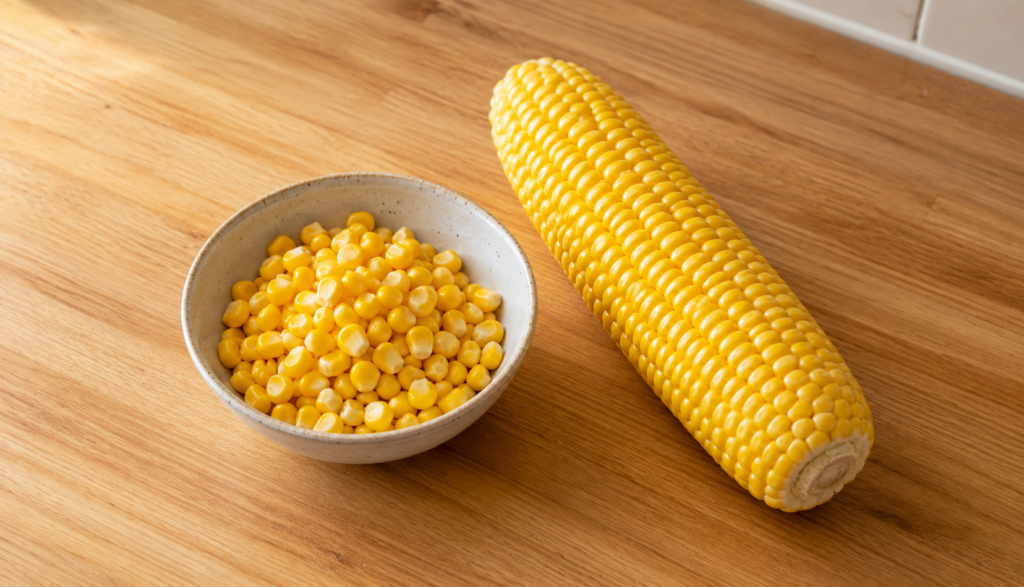
Can Dogs Eat Corn? Yes — But Never the Cob
Plain corn kernels are safe for dogs, but the cob is a genuine danger that sends many dogs into emergency surgery. Here’s what to know and avoid.

Plain corn kernels are safe for dogs, but the cob is a genuine danger that sends many dogs into emergency surgery. Here’s what to know and avoid.
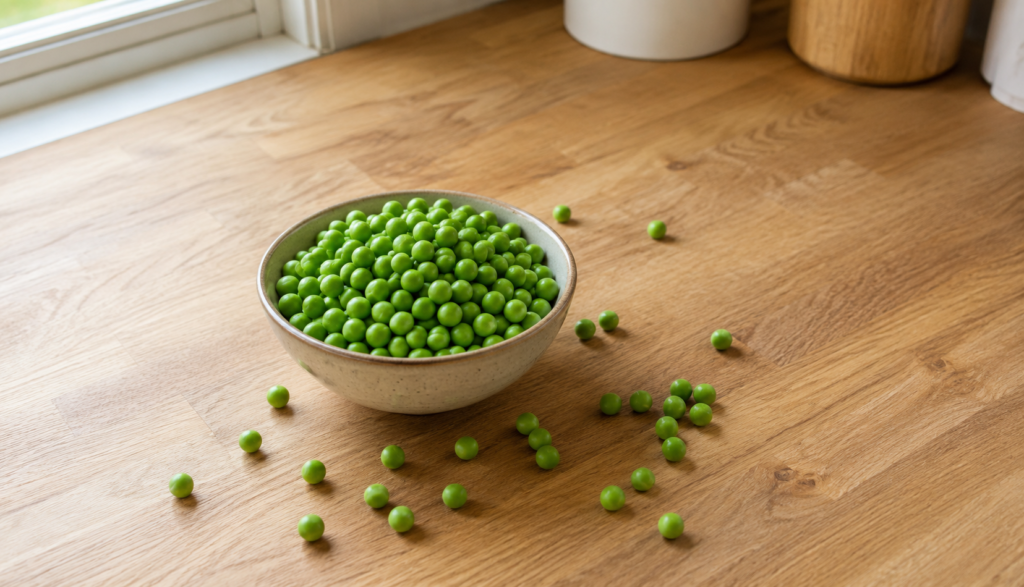
Peas are safe and low calorie for dogs in the right form. Here’s which type to skip, how many to serve, and a kidney health note worth knowing.
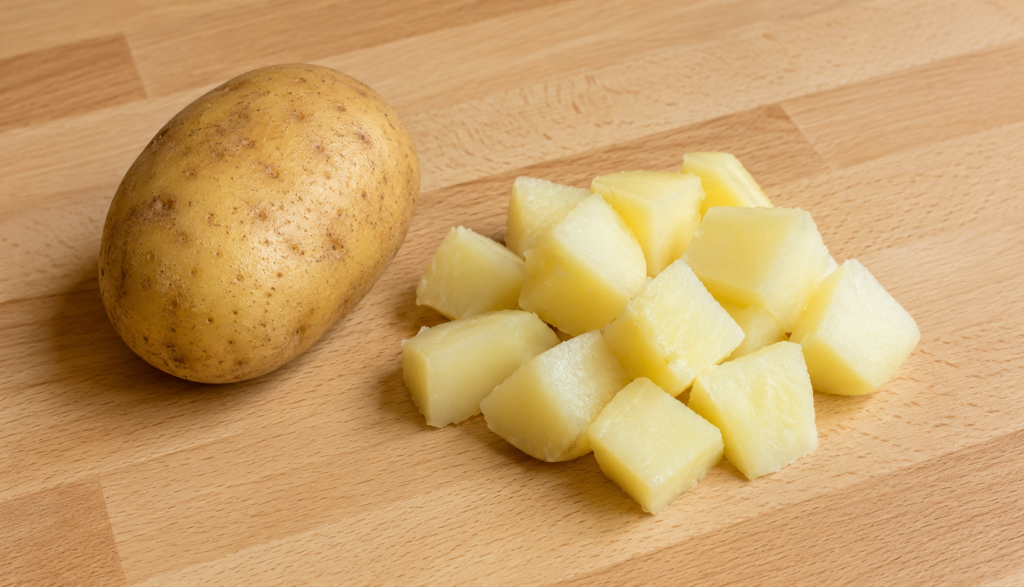
Cooked, plain potato is safe for dogs, but raw potato contains a toxin called solanine. Here’s what to avoid and how much is reasonable to serve.
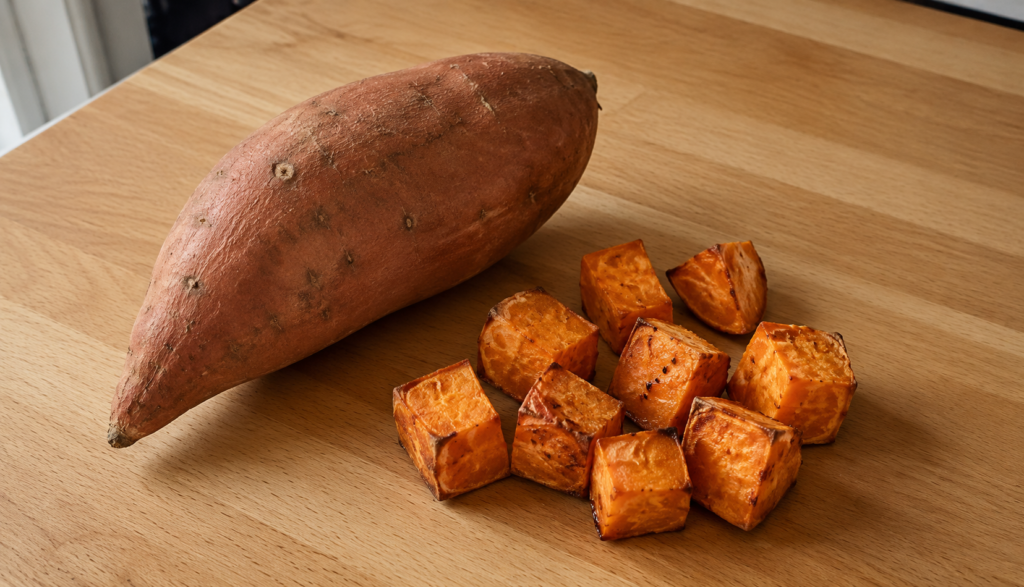
Sweet potatoes are safe and nutritious for dogs when cooked properly. Here’s why raw isn’t ideal and how much to serve for the best results.

Plain air-popped popcorn is safe for dogs, but butter, salt, and kernels are a problem. Here’s how to share popcorn night without the risks.
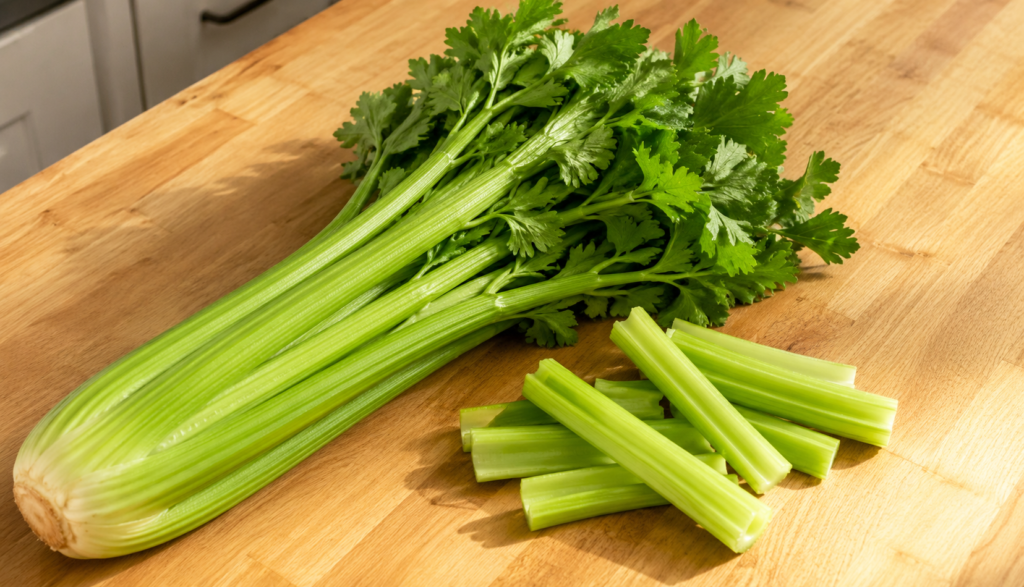
Celery is safe, hydrating, and low calorie for dogs. Here’s how to prepare it to avoid the stringy choking risk and how much to serve.
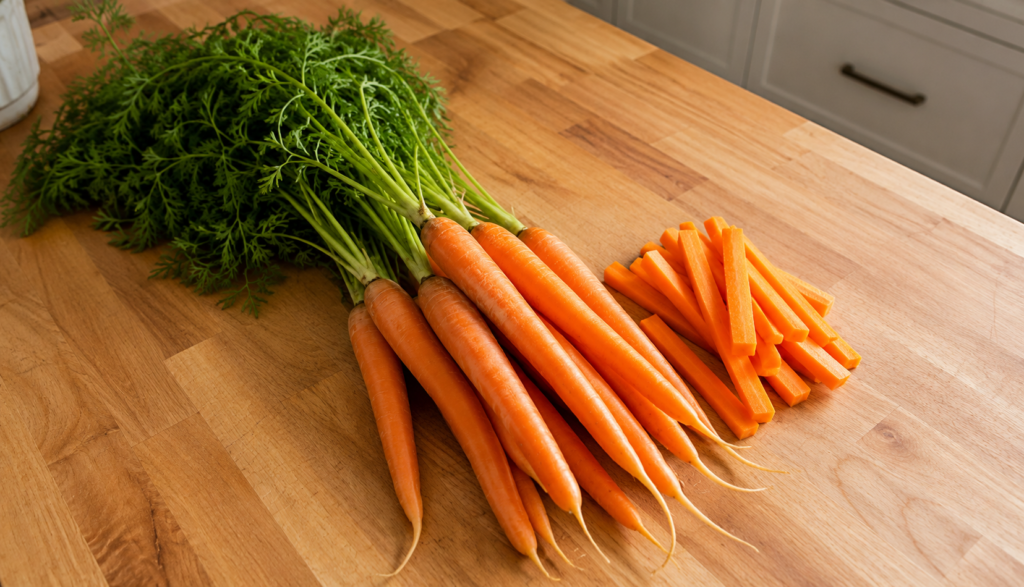
Carrots are one of the safest, most beneficial vegetables for dogs. Here’s how many to serve, raw vs cooked, and why they’re a favorite training treat.
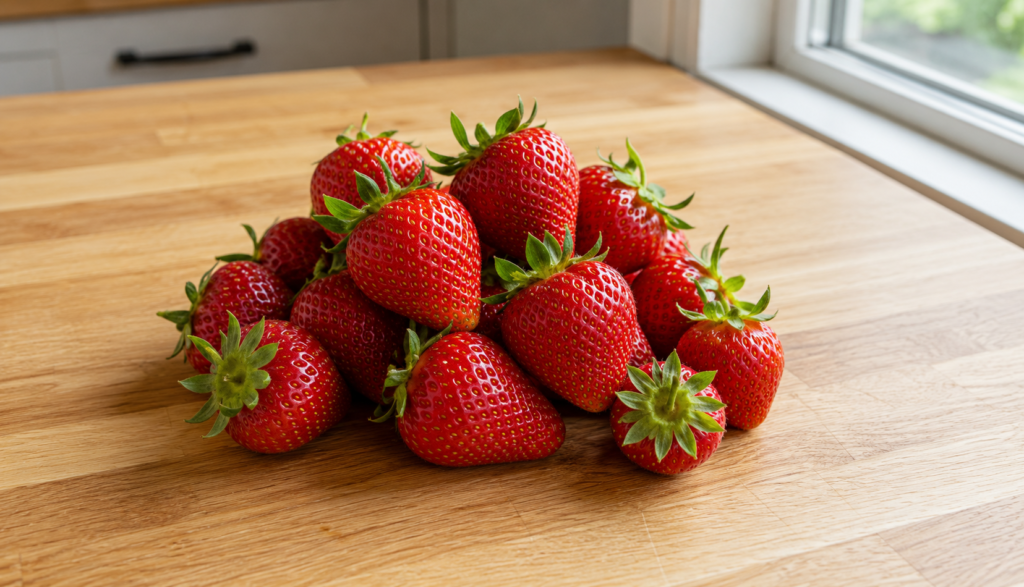
Strawberries are safe and nutritious for dogs in the right amount. Here’s how many to serve, the tops and leaves question, and a few tips worth knowing.
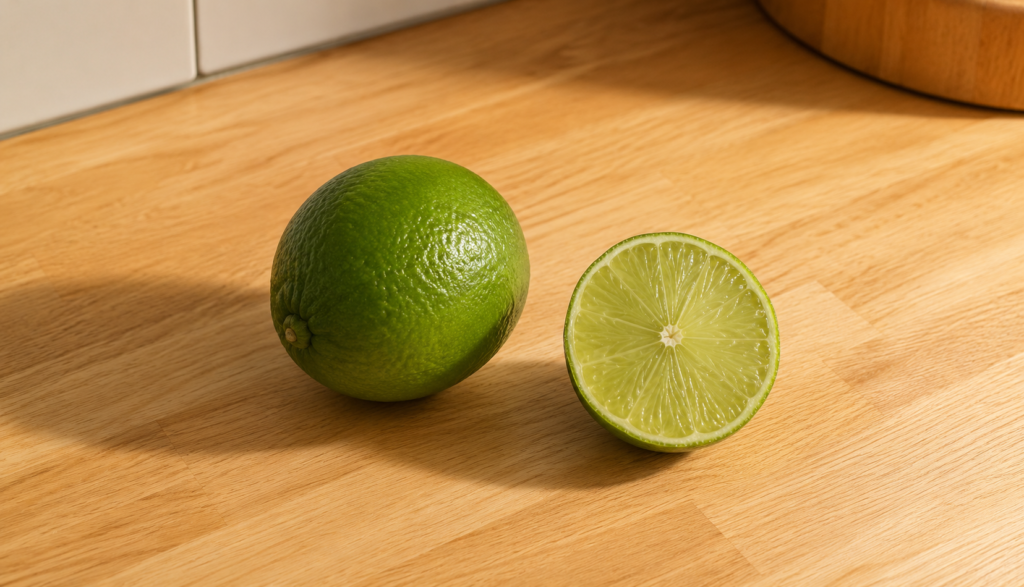
Limes aren’t safe for dogs — the peel, juice, and flesh all carry the same risks as lemon. Here’s what to know and what to watch for.
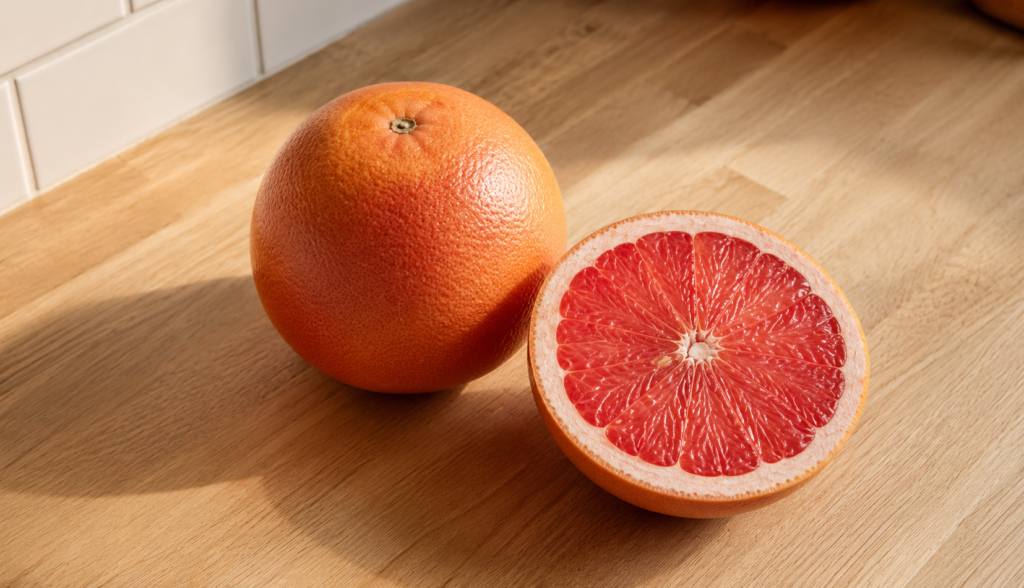
Grapefruit isn’t safe for dogs — the peel, seeds, and acidity all pose risks, and it can interact with medications. Here’s what happens if a dog eats it.
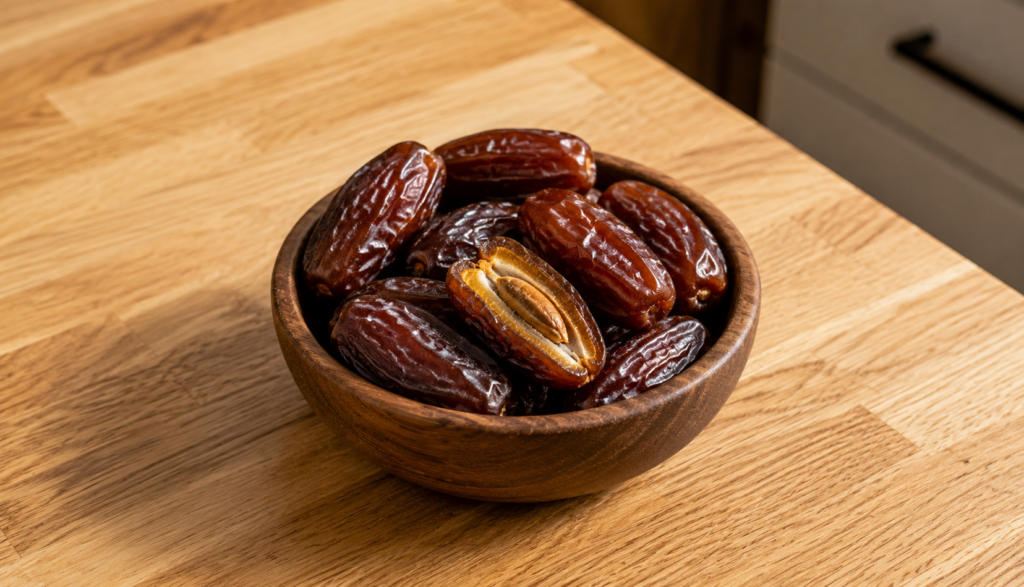
Dates aren’t toxic to dogs, but their high sugar content and pit make them a poor treat choice. Here’s why and what to give instead.
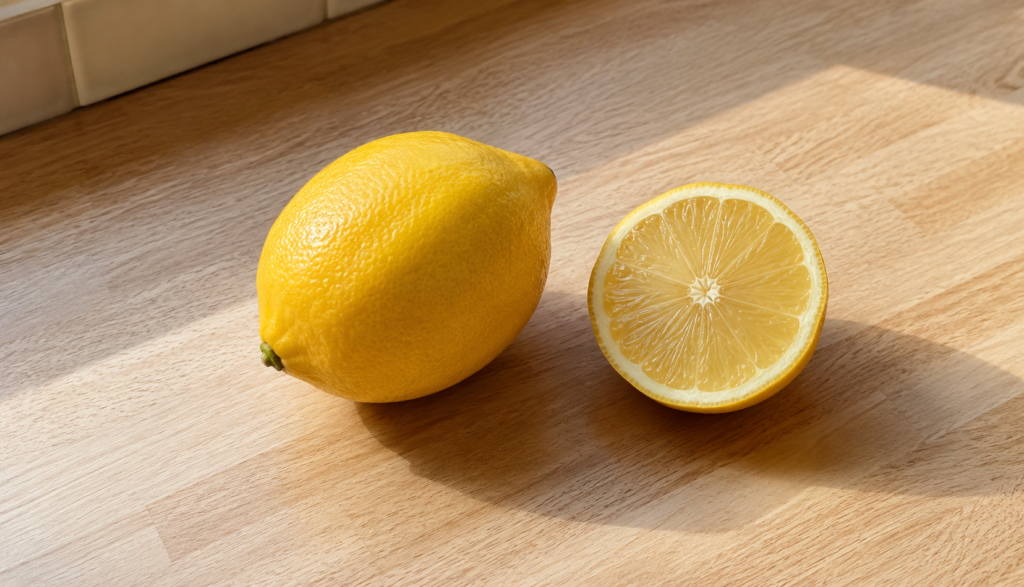
Lemons aren’t safe for dogs — the peel, seeds, and juice all contain harmful compounds. Here’s what happens if a dog eats lemon and what to watch for.