
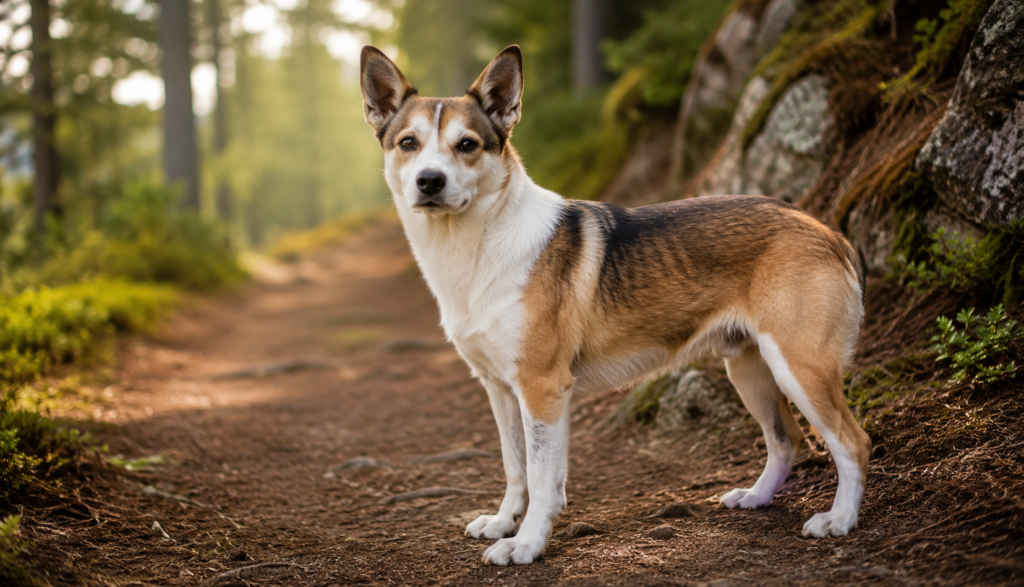
Most dogs live between 10 and 13 years, but that number hides a lot of variation. A Chihuahua can reach 17 or 18 years old, while a Great Dane may only make it to 8. Size, breed, genetics, and everyday care all play a role in how long a dog actually lives — and understanding those factors can help you make choices that support a longer, healthier life for your own dog.
Lifespan is one of the first questions many people ask before bringing a dog home, and it’s also one of the most misunderstood. A single “average” number gets quoted constantly, but it flattens out real differences that matter — a toy breed puppy and a giant breed puppy are, statistically, starting very different clocks. This guide breaks down what the averages actually look like across sizes and breeds, why the gap exists, and which everyday factors are within an owner’s control.
Average Dog Lifespan at a Glance
Across all breeds and sizes, the average lifespan of a dog in the United States is approximately 10 to 13 years. This figure is pulled from veterinary and insurance industry data that tracks large populations of dogs over time. The number moves depending on the dataset — some studies report an overall average closer to 11.8 years, while others break it down more precisely by size category.
It helps to think of “average lifespan” less as a single target and more as a range shaped by weight class. The heavier a dog’s typical adult weight, the shorter its expected lifespan tends to run, and the lighter the breed, the longer that range typically stretches. The table below outlines the general pattern before getting into individual breeds, which can vary even within the same size category depending on genetic health history.
| Dog Size Category | Typical Weight Range | Average Lifespan |
|---|---|---|
| Toy / Small | Under 20 lbs | 12–16 years |
| Medium | 20–50 lbs | 10–13 years |
| Large | 50–90 lbs | 10–12 years |
| Giant | Over 90 lbs | 7–10 years |
Lifespan by Popular Breed
Breed matters as much as size when it comes to predicting lifespan. Two dogs of similar weight can have very different life expectancies depending on the genetic health issues common to their breed line. Below is a chart of commonly owned breeds and their typical lifespan ranges.
| Breed | Average Lifespan |
|---|---|
| Chihuahua | 14–18 years |
| Dachshund | 12–16 years |
| Yorkshire Terrier | 13–16 years |
| Beagle | 10–15 years |
| French Bulldog | 10–14 years |
| Labrador Retriever | 10–12 years |
| Golden Retriever | 10–12 years |
| German Shepherd | 9–13 years |
| Boxer | 9–11 years |
| Great Dane | 7–10 years |
| Bernese Mountain Dog | 7–9 years |
| Irish Wolfhound | 6–8 years |
Mixed-breed dogs often live slightly longer on average than purebred dogs of comparable size. This is generally attributed to a wider gene pool, which reduces the concentration of breed-specific inherited conditions like hip dysplasia, heart disease, or certain cancers that show up more frequently in purebred lines.
It’s worth noting that these ranges are population averages, not guarantees or ceilings. Individual dogs regularly live well beyond their breed’s typical range when genetics, care, and a bit of luck line up. A Labrador reaching 14 or a Great Dane reaching 11 isn’t unheard of — the chart above reflects where most dogs of that breed statistically fall, not a hard limit on any single dog’s life.
Why Small Dogs Live Longer Than Large Dogs

One of the most consistent findings in canine aging research is the inverse relationship between size and lifespan. Larger dogs tend to age faster at the cellular level. Research suggests this connects to insulin-like growth factor 1 (IGF-1), a hormone linked to both rapid growth in puppyhood and accelerated aging later in life. Large and giant breeds are bred for size, which appears to come at the cost of cellular longevity.
Large breeds also tend to develop age-related conditions earlier. A Great Dane may be considered a “senior” dog by age 6, while a Chihuahua of the same age is still solidly middle-aged. This means veterinary screening schedules and senior-specific care often need to start years earlier for bigger dogs.
What Most People Don’t Know
Spaying or neutering is associated with a measurable increase in average lifespan — some studies show a gain of 1 to 3 years, largely due to reduced risk of certain reproductive cancers and infections like pyometra. Body condition matters just as much: dogs kept at a lean body weight throughout life have been shown in long-term studies to live up to two years longer than dogs allowed to become overweight, even within the same breed.
Dental health is another overlooked factor. Untreated periodontal disease allows bacteria to enter the bloodstream, which over years can contribute to strain on the heart, liver, and kidneys — organs that are already the most common cause of death in aging dogs. Regular dental care is one of the more controllable variables in a dog’s overall lifespan.
Factors That Influence How Long a Dog Lives
- Genetics and breed: Inherited predispositions to heart disease, cancer, or joint issues vary significantly by breed and bloodline.
- Size: Smaller dogs consistently outlive larger dogs on average, likely tied to growth-hormone-related aging processes.
- Diet and body weight: Maintaining a lean, healthy weight throughout life reduces strain on joints and organs and is linked to longer lifespan.
- Preventive veterinary care: Routine checkups, vaccinations, and early detection of disease catch problems before they become life-threatening.
- Spay/neuter status: Associated with longer average lifespan in most population studies, primarily through reduced cancer and infection risk.
- Exercise and mental stimulation: Physically and mentally active dogs tend to maintain better cardiovascular and cognitive health into old age.
- Environment: Indoor dogs with consistent care generally outlive dogs exposed to harsher outdoor conditions or inconsistent supervision.
How to Calculate Your Dog’s Age in Human Years
The old “multiply by 7” rule is outdated and inaccurate, especially in a dog’s early years. A more accurate modern approach recognizes that dogs mature much faster than humans in their first two years, then age more gradually afterward, with larger breeds accelerating again in their senior years.
| Dog’s Age | Small Breed (Human Years) | Medium Breed (Human Years) | Large Breed (Human Years) |
|---|---|---|---|
| 1 year | 15 | 15 | 14 |
| 2 years | 24 | 24 | 22 |
| 5 years | 36 | 37 | 40 |
| 8 years | 48 | 51 | 55 |
| 10 years | 56 | 60 | 66 |
| 13 years | 68 | 74 | 82 |
| 15 years | 76 | 83 | 93 |
Signs of Aging to Watch For
Recognizing the signs of aging early allows for adjustments in care before problems become serious. Common changes include graying around the muzzle, reduced energy and slower recovery after exercise, stiffness or difficulty with stairs, cloudier eyes, changes in hearing, increased sleeping, and shifts in appetite or weight. Cognitive changes such as disorientation, altered sleep-wake cycles, or house-training lapses can also appear in senior dogs and are worth discussing with a veterinarian rather than dismissing as “just old age.”
The age at which these changes appear depends heavily on size. A giant breed may show its first gray hairs and joint stiffness by age 6 or 7, while a small breed might not show comparable signs until 10 or 11. Because of this, “senior” is better defined by a dog’s individual size and breed than by a fixed number of years — a vet can usually give a more accurate sense of where a specific dog sits on that curve.
How to Help Your Dog Live Longer

- Keep your dog at a lean, healthy body weight throughout every life stage, not just in old age.
- Feed a high-quality, age-appropriate diet and avoid excessive treats or table scraps.
- Schedule annual veterinary checkups in early life and twice-yearly visits once a dog reaches senior status.
- Stay current on dental care, including brushing and professional cleanings when recommended.
- Provide regular, breed-appropriate exercise to support cardiovascular and joint health.
- Keep up with parasite prevention and core vaccinations throughout the dog’s life.
- Consider spaying or neutering, which is associated with longer average lifespan in most studies.
- Watch closely for early signs of illness rather than waiting for symptoms to become severe.
Frequently Asked Questions
Q. What is the average lifespan of a dog overall?
A. Most dogs live between 10 and 13 years on average, though this varies significantly by size and breed. Small breeds often live into their mid-to-late teens, while giant breeds may only reach 7 to 10 years.
Q. Do mixed-breed dogs live longer than purebred dogs?
A. On average, yes. Mixed-breed dogs tend to have a slightly longer average lifespan than purebred dogs of similar size, largely due to a broader gene pool that reduces the concentration of breed-specific inherited health conditions.
Q. Why do small dogs live longer than large dogs?
A. Research points to growth-related hormones, particularly IGF-1, which drive rapid growth in large breeds but are also linked to faster cellular aging later in life. Large dogs also tend to develop age-related diseases earlier than small dogs.
Q. Does spaying or neutering affect how long a dog lives?
A. Most population studies show spayed and neutered dogs live somewhat longer on average than intact dogs, primarily due to a reduced risk of certain reproductive cancers and infections such as pyometra.