
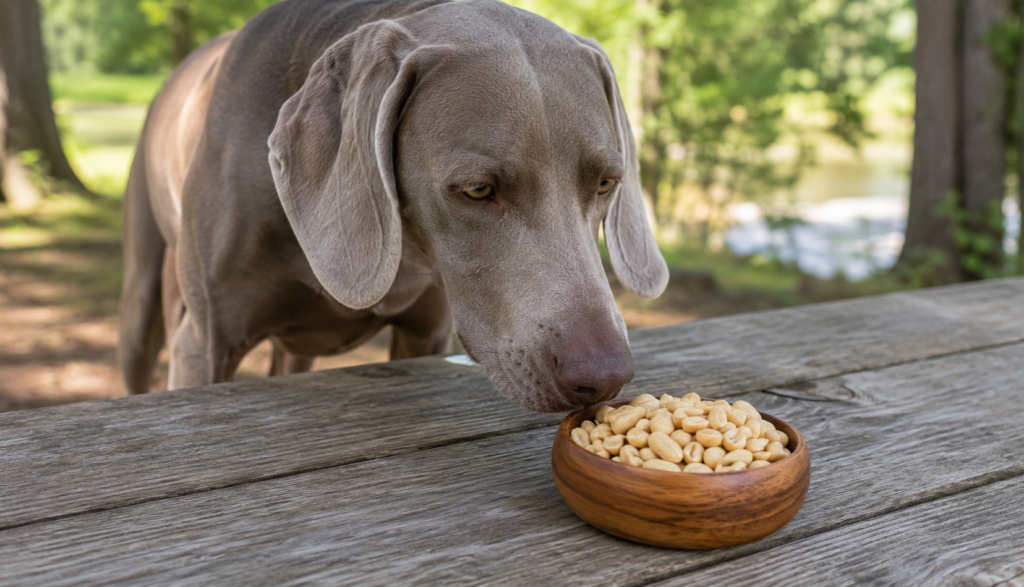
Yes, dogs can eat peanuts in moderation, but the details matter more than most owners realize. Plain, unsalted, unshelled peanuts are generally safe as an occasional treat, while roasted, salted, flavored, or shelled peanuts introduce real risks ranging from digestive upset to choking hazards. Peanuts are also one of the most calorie-dense snacks a dog can eat, which means portion control isn’t optional — it’s the difference between a healthy treat and a trip to the vet.
This guide breaks down exactly which peanuts are safe, how many your dog can have, what symptoms to watch for, and why peanut butter often makes a better choice than whole peanuts.
Are Peanuts Safe for Dogs?
Peanuts themselves are not toxic to dogs. They’re technically a legume, not a tree nut, and they contain protein, healthy fats, vitamin E, niacin, and biotin — nutrients that can offer some benefit in small amounts. The safety issue isn’t the peanut itself; it’s how it’s prepared and how much your dog eats.
Plain, unsalted, dry-roasted or raw peanuts with the shell removed are the safest option. Problems arise with salted peanuts, honey-roasted or flavored varieties, peanuts still in the shell, and any product like trail mix or peanut brittle that combines peanuts with other ingredients that may be dangerous for dogs.
Peanut Shells: Why They’re a Problem
Many owners assume the shell is just fiber and harmless, but peanut shells are difficult for dogs to digest. They can cause gastrointestinal irritation, and in some cases lead to blockages, especially in small or young dogs. The fibrous, woody texture doesn’t break down the way plant fiber in vegetables does. Shells also pose a choking hazard, particularly for dogs that tend to gulp their food rather than chew thoroughly. Always remove the shell before offering peanuts to your dog.
Salted, Roasted, and Flavored Peanuts
Salt content is one of the biggest hidden dangers in commercial peanuts. A handful of salted peanuts can contain far more sodium than a dog’s system is built to handle, and excess salt intake can lead to increased thirst, urination, and in severe cases, sodium ion poisoning. Symptoms of sodium poisoning include vomiting, diarrhea, tremors, and elevated temperature.
Flavored varieties are even riskier. Honey-roasted peanuts often contain added sugar and sometimes cinnamon or other spices that aren’t harmful in small doses but add unnecessary calories. More seriously, some peanut products — particularly reduced-sugar or “diet” snack mixes — may contain xylitol, an artificial sweetener that is highly toxic to dogs even in tiny amounts. Always check the ingredient label before sharing any packaged peanut product.
| Peanut Type | Safe for Dogs? | Notes |
|---|---|---|
| Plain, unsalted, shelled peanuts | Yes, in moderation | Best option; offer occasionally as a treat |
| Raw peanuts | Yes, in small amounts | Watch for mold; must be shelled |
| Dry-roasted, unsalted peanuts | Yes, in moderation | Similar to plain peanuts |
| Salted peanuts | Not recommended | High sodium risk |
| Honey-roasted peanuts | Not recommended | Added sugar and spices |
| Peanuts in the shell | No | Choking and blockage risk |
| Peanut brittle or trail mix | No | May contain chocolate, raisins, or xylitol |
| Moldy peanuts | No | Risk of aflatoxin poisoning |
How Many Peanuts Can a Dog Eat?
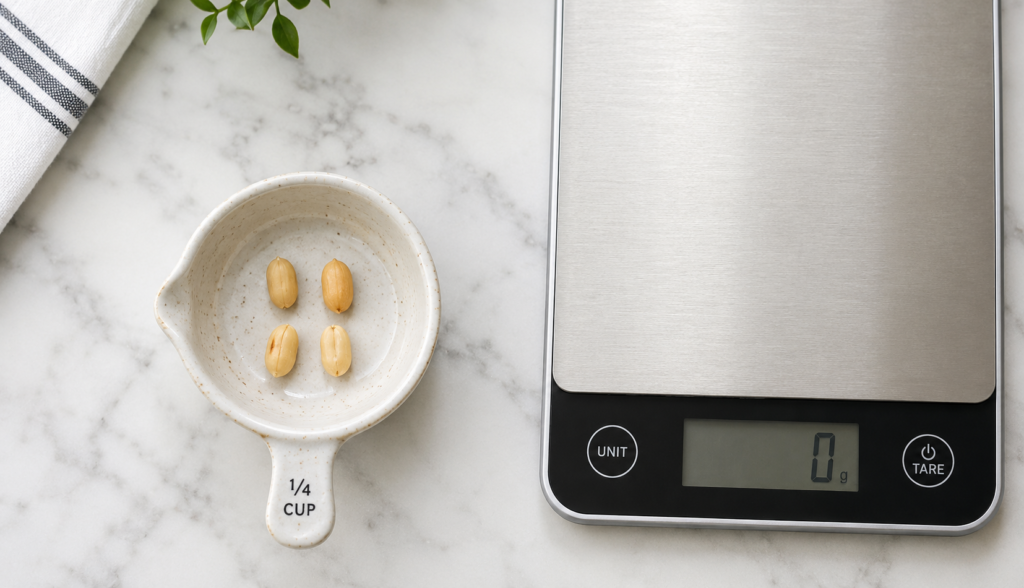
Peanuts are calorie-dense, so portion size should scale with your dog’s body weight. As a general guideline, small dogs should have no more than one or two peanuts occasionally, medium dogs around three to four, and large dogs up to five or six. This should be treated as an occasional snack, not a regular part of the diet, and should never exceed 10% of your dog’s daily caloric intake — a standard rule for any treat.
Dogs with a history of pancreatitis, obesity, or existing weight management concerns should avoid peanuts altogether, since the fat content can trigger flare-ups or contribute to unwanted weight gain over time.
Peanut Allergies in Dogs
While less common than in humans, peanut allergies do occur in dogs. If your dog is trying peanuts for the first time, offer a very small piece and watch for signs of an allergic reaction over the next 24 hours. Symptoms of a peanut allergy in dogs include itching, hives, facial swelling, red or inflamed skin, vomiting, or diarrhea. If you notice any of these signs, stop feeding peanuts immediately and contact your veterinarian.
Aflatoxin: The Hidden Mold Risk
Peanuts are susceptible to a mold-produced toxin called aflatoxin, which can develop when peanuts are stored improperly or left in humid conditions. Aflatoxin poisoning is serious and can cause liver damage in dogs, with symptoms including lethargy, loss of appetite, vomiting, jaundice, and in severe cases, liver failure. Always inspect peanuts before feeding them to your dog, and discard anything that looks discolored, smells off, or has been stored for an extended period. Buying fresh, properly sealed products from a reliable source significantly reduces this risk.
What Most People Don’t Know
Most owners assume peanut butter and whole peanuts carry the same risk profile, but they actually serve very different purposes. Peanut butter, when it’s plain and xylitol-free, is often easier to portion precisely, easier to hide medication in, and doesn’t carry the choking risk that whole peanuts do — especially for small dogs or dogs that don’t chew thoroughly. On the other hand, peanut butter is typically more processed and can contain added oils or sugar that increase the calorie count per serving compared to a handful of plain peanuts.
Another detail that surprises owners: peanuts aren’t actually tree nuts. They’re legumes, in the same family as beans and lentils. This matters because dogs with confirmed tree nut sensitivities aren’t necessarily at risk from peanuts, and vice versa — a dog that reacts to peanuts won’t automatically react to almonds or cashews. Allergy risk should be evaluated food by food rather than assumed based on the “nut” label.
Finally, many owners don’t realize that boiled peanuts, a popular snack in some regions, are typically boiled in heavily salted water — making them one of the worst peanut preparations to share with a dog, even though the texture seems softer and “safer” than roasted peanuts.
Peanut Butter vs. Whole Peanuts: Which Is Better?
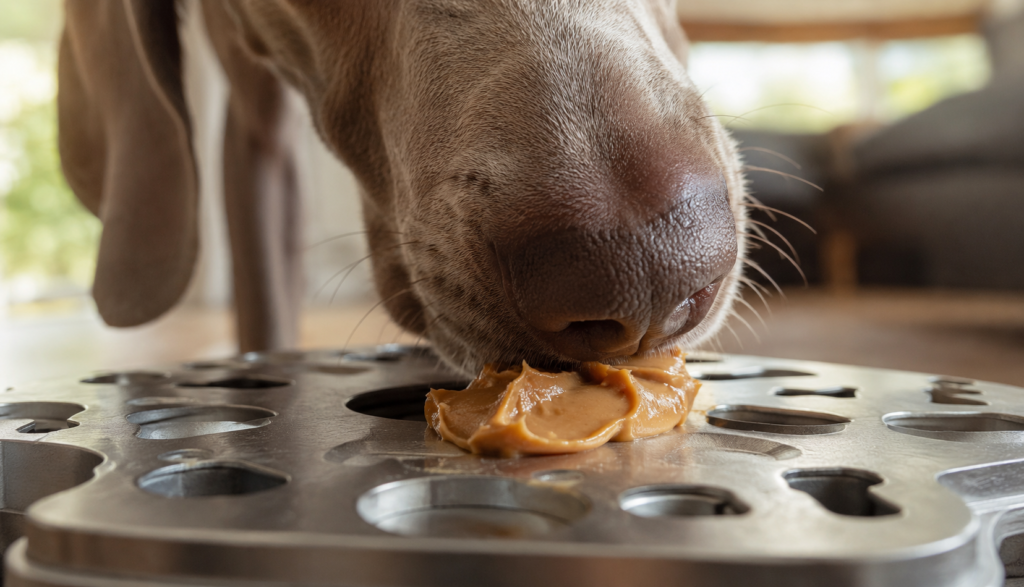
For most dogs, plain peanut butter without xylitol is a more practical treat option than whole peanuts. It eliminates the choking hazard, is easier to portion in small amounts, and works well for stuffing puzzle toys or administering pills. Whole peanuts, while fine occasionally, require more caution around shells, salt content, and chewing ability. If you choose peanut butter, always double-check the label for xylitol, sometimes listed as “birch sugar,” since this ingredient can be fatal to dogs even in small quantities.
Signs Your Dog Ate Too Many Peanuts
If your dog gets into a bag of peanuts or eats more than the recommended amount, watch for vomiting, diarrhea, lethargy, abdominal pain, or reluctance to move. These can be signs of digestive upset or, in more serious cases, early symptoms of pancreatitis. If your dog ate salted or flavored peanuts, also watch for excessive thirst, urination, or disorientation, which can indicate sodium ion poisoning. Contact your veterinarian if symptoms appear or if you know your dog consumed peanuts still in the shell.
Frequently Asked Questions
Q. Can dogs eat peanut shells?
A. No. Peanut shells are difficult to digest, can cause gastrointestinal blockages, and present a choking hazard. Always remove the shell before giving peanuts to your dog.
Q. How many peanuts can a dog eat safely?
A. Small dogs should have no more than one to two plain, unsalted peanuts occasionally, while larger dogs can have several more. Peanuts should stay within 10% of your dog’s total daily calories.
Q. Can dogs eat peanut butter instead of whole peanuts?
A. Yes, plain peanut butter without xylitol is often a safer and more practical option than whole peanuts, since it removes the choking risk and is easier to portion precisely.