
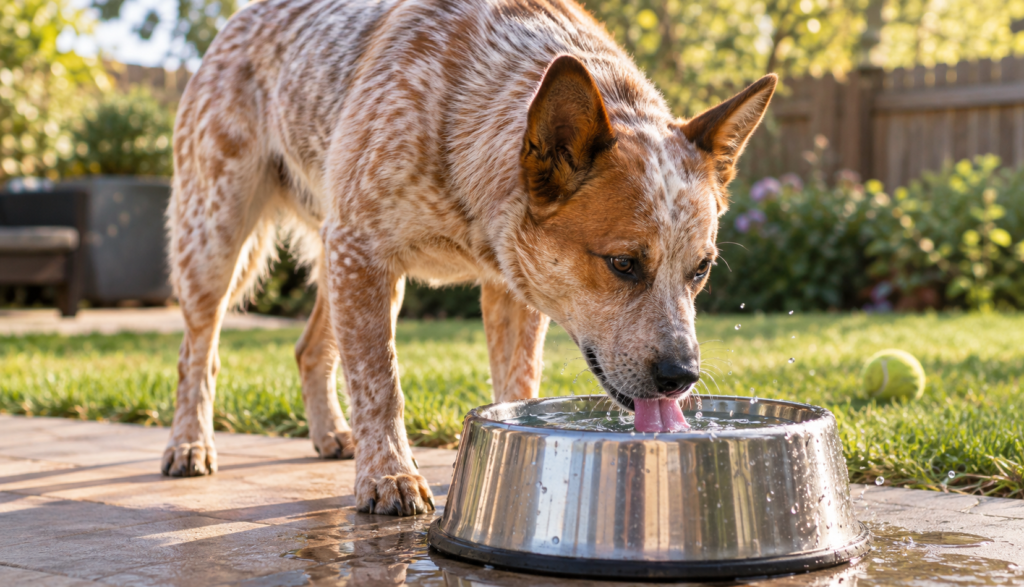
Few things are more unsettling than hearing your dog retch and then finding a small puddle of white, bubbly liquid on the floor. The good news is that a single episode of white foam vomit is very often minor, most commonly linked to an empty stomach, a bit of acid irritation, or gulping water too quickly. The less comfortable truth is that the same white foam can occasionally be the first visible sign of something serious, including bloat, poisoning, or a respiratory infection that only looks like vomiting. This guide walks through what white foam actually is, the most likely causes, how to tell a harmless episode from a dangerous one, and exactly what to do at home before you call the vet.
What Is the White Foam Your Dog Is Throwing Up?
White foam is usually a mix of saliva, mucus, and stomach fluids that have been churned together by the retching motion. When a dog’s stomach is empty, there is no food to bring up, so what comes out is mostly the thin liquid the stomach lining and salivary glands produce all day long. Air gets whipped into that liquid as the dog heaves, and the result looks like foam or froth, a little like the head on a glass of soda.
Because the fluid is clear or whitish rather than yellow or brown, it also tells you something about timing: there was likely no bile and no recent meal in the stomach when your dog vomited. That detail is helpful, but it does not tell you why the stomach was upset in the first place, which is why the surrounding signs matter more than the foam itself. A dog who vomits white foam once and then bounces back to normal is in a very different situation from a dog who keeps retching, seems restless, and has a tight, swollen belly.
Common Causes of a Dog Vomiting White Foam
There is no single cause, and it helps to think in terms of mild, moderate, and serious possibilities. The list below runs roughly from the most common and least worrying to the most urgent.
Empty Stomach and Stomach Acid Buildup
Stomach acid keeps being produced even when there is nothing to digest. In some dogs, particularly those fed only once a day, that acid irritates the stomach lining overnight and triggers nausea by early morning. The dog then brings up a small amount of white or yellowish foam, often before breakfast, and seems completely fine afterward. Vets sometimes describe a pattern of this kind as bilious vomiting syndrome, and it frequently improves when the feeding schedule changes.
Gulping Water or Eating Too Fast
A dog who drinks a large amount of water very quickly, especially after exercise or excitement, can swallow air along with it. The stomach responds by expelling the water and the trapped air together, which looks like clear or white foam shortly afterward. This is common, harmless, and easy to prevent with smaller water portions after play.
Eating Grass or Other Irritants
Many dogs eat grass when their stomach feels off, and the blades can tickle the throat and stomach enough to trigger vomiting. The result is often a foamy liquid, sometimes with bits of green grass mixed in. Occasional grass eating is common and usually not a concern, but frequent grass eating followed by vomiting deserves a mention to your vet.
Gastritis and Mild Stomach Irritation
Gastritis simply means an inflamed stomach lining. It can follow a change of food, a rich treat, a scavenged snack from the trash, or a stressful event such as boarding or travel. Dogs with gastritis may vomit white foam or yellow fluid, drool, lick their lips, and show less interest in food for a day or so.
Kennel Cough and Respiratory Irritation
This is the cause owners most often miss. Dogs with kennel cough or other airway irritation often end a coughing fit by hacking up a small amount of white, foamy mucus. It looks like vomiting, but it actually comes from the throat and airways. If the foam appears right after a honking cough, the respiratory system is the more likely source.
Pancreatitis
Pancreatitis is inflammation of the pancreas, and it is commonly triggered by a fatty meal such as bacon grease, sausage, or table scraps. Dogs may vomit repeatedly, often producing foam or bile, and typically hunch, act painful, refuse food, and seem lethargic. This is a condition that needs veterinary treatment rather than home care.
Toxins and Swallowed Foreign Objects
Ingesting something toxic, such as certain plants, cleaning products, xylitol, medications, or spoiled food, can cause foamy vomiting along with drooling, tremors, or weakness. A partially swallowed object, such as a sock, toy, or corn cob, can also block the digestive tract and cause repeated retching that brings up only foam because nothing can pass through. Both situations are emergencies.
Bloat (Gastric Dilatation-Volvulus)
Bloat occurs when the stomach fills with gas and can twist on itself. The classic sign is repeated, unproductive retching that brings up little more than white foam or saliva. It is covered in detail further down because it is the one cause where waiting can cost a dog’s life.
Underlying Illness
Kidney disease, liver disease, parasites, viral infections such as parvovirus in puppies, and other chronic conditions can all show up as recurring vomiting, including white foam. When episodes keep returning even though each one looks mild, an underlying problem is more likely than a one-off stomach upset.
How the Circumstances Change the Meaning
| Situation | Most Likely Explanation | Action |
|---|---|---|
| Once, early morning, dog acts normal | Empty stomach or acid buildup | Monitor; consider a small late-night snack |
| Right after drinking water fast | Swallowed air and water | Offer smaller portions |
| Foam after a honking cough | Kennel cough or throat irritation | Call your vet, especially if coughing continues |
| Repeated retching, little comes up, belly looks swollen | Possible bloat | Emergency vet immediately |
| Foam with diarrhea and refusal to eat | Gastroenteritis, infection, or dietary upset | Call your vet if it lasts beyond 24 hours |
| Foam plus drooling, tremors, or weakness | Possible toxin exposure | Emergency vet immediately |
When White Foam Vomiting Is Usually Normal
A healthy adult dog who vomits white foam once, especially first thing in the morning or after a bout of excitement, and then returns to normal behavior is usually dealing with something minor. The signs that point toward a harmless episode include eating with normal enthusiasm at the next meal, drinking water without bringing it back up, having normal energy and a relaxed belly, and having no diarrhea, coughing, or drooling. If the vomiting happened one time and everything else looks like your normal dog, it is reasonable to watch closely at home for the next 12 to 24 hours.
Try to note the time, what the foam looked like, and whether anything else preceded it, such as a big drink, grass eating, or a stressful event. A short note on your phone is often surprisingly useful if the problem repeats and you eventually need to describe the pattern to a vet.
When to Worry: Red Flags You Should Not Ignore
Certain signs turn a routine stomach upset into a situation that needs professional help. Call your vet or an emergency clinic promptly if you see any of the following alongside white foam vomiting:
- Repeated retching with little or nothing coming up, particularly in deep-chested breeds
- A swollen, hard, or painful abdomen, or a dog who cannot get comfortable
- Vomiting multiple times in a few hours, or continuing past 24 hours
- Blood in the vomit, whether bright red or dark like coffee grounds
- Extreme lethargy, weakness, or collapse
- Pale, white, or gray gums, which can indicate shock or blood loss
- Known or suspected ingestion of a toxin, medication, or foreign object
- Refusing water or being unable to keep even small sips down
- Vomiting in a puppy, a senior dog, or a dog with an existing health condition
- Diarrhea, fever, tremors, or heavy drooling at the same time
Puppies and toy breeds deserve extra caution because they dehydrate and develop low blood sugar much faster than adult dogs. What would be a wait-and-see situation for a healthy Labrador can become urgent for a young Chihuahua in a matter of hours.
Is It Vomiting, Coughing, or Retching?
Owners often describe what they saw as vomiting when it was actually something else, and the distinction changes what you should do. True vomiting is an active process: the dog’s abdomen visibly contracts, there is heaving and retching, and stomach contents come up. Regurgitation is passive and happens without much effort, usually with undigested food. Coughing up foam comes from the throat and airways, often following a honking or hacking cough.
Watch your dog the next time it happens if you can safely do so. A dog who coughs first, then gags and produces a small amount of foam, is more likely dealing with an airway problem such as kennel cough. A dog who paces, drools, and heaves repeatedly with an increasingly tight belly is showing the pattern of bloat. If you can safely take a short phone video, your vet can often tell the difference within seconds.
Bloat: The Emergency Hidden Behind Foamy Vomit
Bloat is the reason white foam should never be brushed off in a large or deep-chested dog such as a Great Dane, German Shepherd, Standard Poodle, Weimaraner, or Doberman. In the most dangerous form, the stomach fills with gas and then rotates, cutting off blood supply and trapping the contents inside. Because the stomach is blocked at both ends, the dog cannot actually vomit anything meaningful, so all that comes up is a bit of white froth or saliva.
The signs to watch for include repeated unproductive retching, a visibly enlarged or tight belly, restlessness and pacing, heavy drooling, panting, and pale gums. Dogs can deteriorate within an hour or two. If you suspect bloat, do not wait to see whether it passes, and do not try home remedies. Head to the nearest emergency vet and call ahead so the team can prepare.
Safe Home Care for Mild, Isolated Episodes
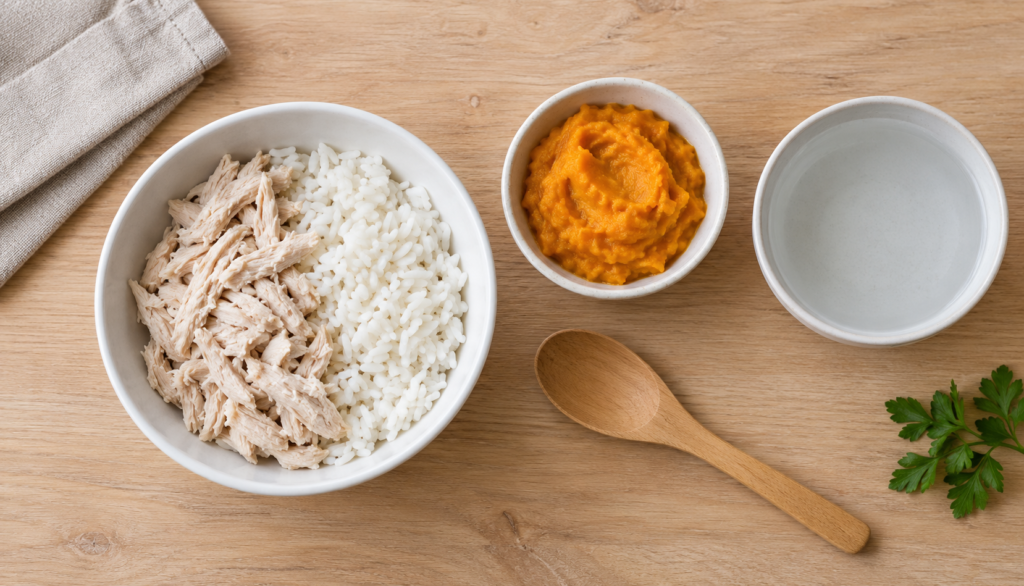
If your adult dog vomited white foam once, seems otherwise bright and comfortable, and none of the red flags above apply, a gentle approach at home is usually enough.
- Rest the stomach briefly. Many vets suggest holding food for roughly 8 to 12 hours in a healthy adult dog. Do not fast puppies, toy breeds, diabetic dogs, or seniors without checking with your vet first.
- Keep water available in small amounts. Offer a few sips every 20 to 30 minutes rather than a full bowl, since gulping can restart the vomiting.
- Reintroduce food slowly. Start with a small portion of a bland diet such as plain boiled chicken with white rice, or plain canned pumpkin, and see whether it stays down.
- Return to normal food gradually. If there is no further vomiting, mix the bland food with regular food over two to three days.
- Skip rich treats and table scraps while the stomach recovers, and keep exercise calm.
Avoid giving human medications such as ibuprofen, aspirin, or antacids without veterinary guidance, because several common products are dangerous or toxic to dogs. If the vomiting comes back after you restart food, or your dog seems worse rather than better, stop the home approach and call your vet.
Preventing White Foam Vomiting
Prevention depends on the likely trigger. For dogs who vomit foam in the morning, splitting the daily food into two or three smaller meals, including a small snack shortly before bedtime, often reduces empty-stomach acid irritation. For dogs who gulp, a slow-feeder bowl and smaller water portions after exercise can help. Keep trash, fatty leftovers, and toxic plants out of reach, avoid abrupt food changes, and keep vaccinations current, including protection against kennel cough if your dog boards or visits groomers and daycare.
For deep-chested breeds, ask your vet about bloat risk, including whether smaller meals, avoiding vigorous exercise around mealtimes, or a preventive procedure is worth discussing.
When to See a Vet and What to Expect
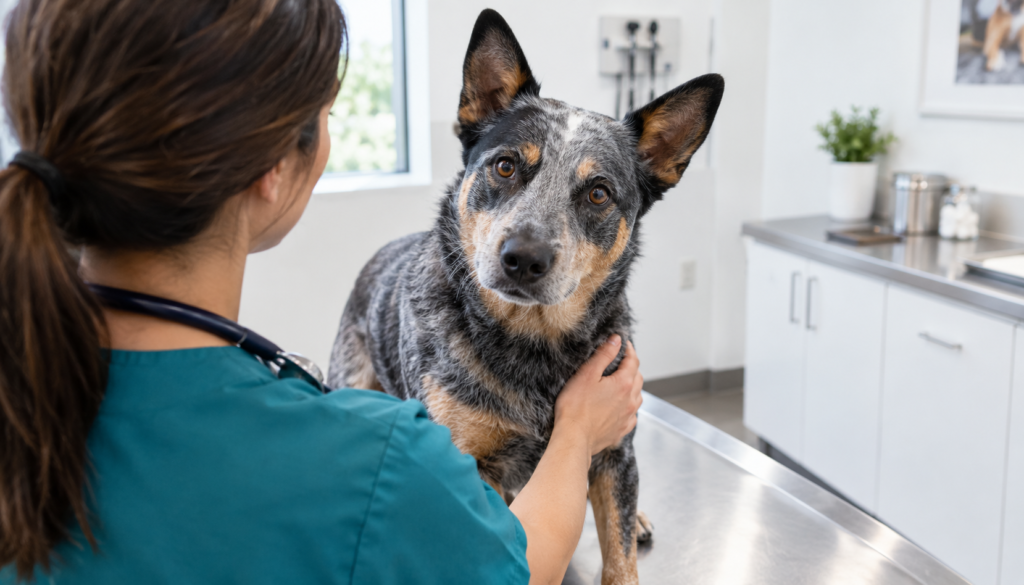
If your dog vomits foam repeatedly, keeps doing it over several days, or shows any red flag listed earlier, a veterinary visit is the right next step. Your vet will typically ask about the timing of the vomiting, diet, access to toxins or objects, and recent changes in routine. A physical exam checks hydration, gum color, and abdominal comfort.
Depending on what the exam suggests, your vet may recommend bloodwork to check organ function and signs of inflammation, X-rays or ultrasound to look for blockages or gas patterns, and sometimes fecal tests for parasites. Treatment might include anti-nausea medication, fluids for dehydration, a prescription diet, or in serious cases, surgery. Catching the cause early almost always makes treatment simpler and less expensive than waiting.
What Most People Don’t Know
Most owners assume the color of the vomit tells the full story, but for white foam the more important clue is often what your dog is doing while nothing is coming up. A dog who vomits foam and then looks relieved is usually fine. A dog who keeps trying to vomit and cannot, especially with a tightening belly, is telling you the stomach is blocked or twisted.
Another overlooked fact is that many “vomiting” episodes are really coughing. Kennel cough and other airway irritations regularly end with foamy mucus, and treating that as a stomach problem by withholding food does nothing for the real cause. Finally, once-daily feeding is a hidden trigger in many dogs with morning foam, and a simple change to two smaller meals can end the problem without any medication at all.
Frequently Asked Questions
Q. Is it normal for a dog to throw up white foam once?
A. Yes, a single episode is often harmless, especially in the morning or after gulping water, as long as your dog is otherwise acting normal, eating, and drinking. Monitor closely for 12 to 24 hours and call your vet if it repeats or other symptoms appear.
Q. What should I give my dog for vomiting white foam?
A. For a healthy adult dog with a mild, isolated episode, rest the stomach for several hours, offer small sips of water, then try a small portion of plain boiled chicken and white rice. Do not give human medications unless your vet tells you to.
Q. Why is my dog throwing up white foam but acting normal?
A. Most often it is an empty stomach, acid irritation, grass eating, or swallowed air, and the dog feels better once the stomach is empty. If it happens regularly, a feeding schedule change or a vet check can help find the cause.
Q. When is dog vomiting white foam an emergency?
A. Go to an emergency vet right away if your dog keeps retching without bringing anything up, has a swollen or hard belly, has pale gums, collapses, or may have swallowed a toxin or foreign object. These signs can point to bloat, poisoning, or a blockage.