
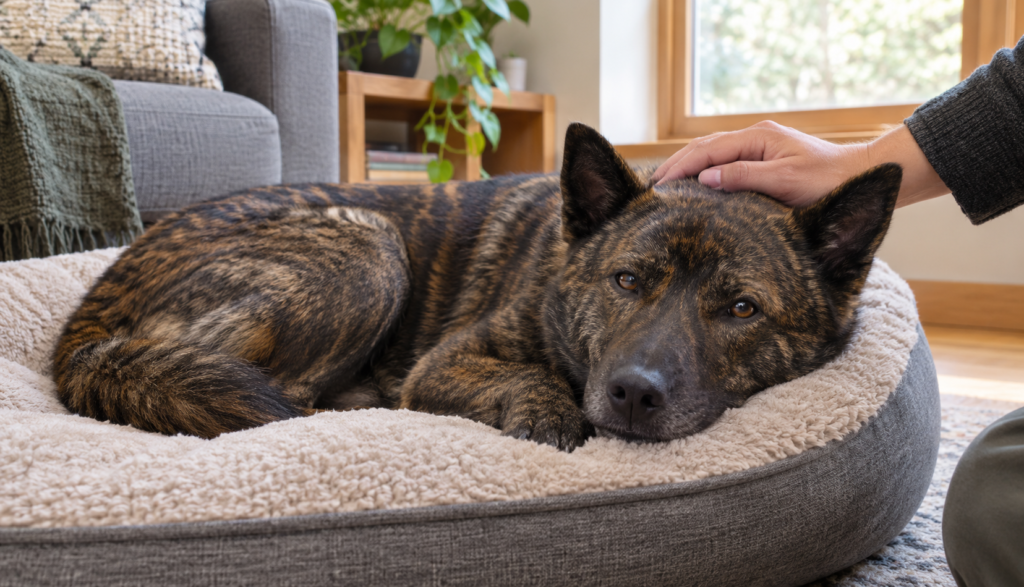
Most cases of dog diarrhea clear up within 24 to 48 hours with basic supportive care at home. But “most cases” isn’t every case, and knowing where your dog’s diarrhea falls on that timeline — and when it’s crossed into vet territory — is the difference between a manageable stomach upset and a missed emergency.
Typical Diarrhea Timeline by Cause
| Cause | Expected Duration | Vet Visit Needed? |
|---|---|---|
| Dietary indiscretion (new treat, table scraps, garbage) | 12–48 hours | Usually not, unless it persists |
| Sudden food or diet change | 24–72 hours | Rarely, resolves with transition |
| Stress (travel, boarding, new environment) | 24–48 hours | Rarely |
| Mild viral or bacterial upset | 2–5 days | If beyond 3 days |
| Parasites (giardia, worms) | Persistent, won’t resolve on its own | Yes |
| Chronic underlying condition | Recurring or ongoing | Yes |
Acute vs. Chronic Diarrhea
Acute diarrhea comes on suddenly and typically resolves within a few days, often tied to something identifiable — a dietary indiscretion, a stressful event, or a minor gastrointestinal upset. Chronic diarrhea persists longer than two to three weeks, or comes and goes repeatedly over that span. Chronic cases point toward an underlying issue — food intolerance, inflammatory bowel disease, parasites, or an organ-related condition — and always warrant veterinary investigation rather than continued at-home management.
What Most People Don’t Know
Diarrhea itself usually isn’t the primary problem — it’s a symptom of something else, and in most acute cases, the body is simply clearing out whatever irritated the gut. Stopping diarrhea too aggressively with over-the-counter human medications can actually interfere with that process and, in some cases, is dangerous for dogs (many anti-diarrheal medications aren’t safe at human dosages or aren’t safe for dogs at all). The better approach for uncomplicated cases is supporting recovery — hydration, a bland diet, rest for the gut — rather than trying to halt the symptom itself. Also, stool consistency scored on a simple scale (formed, soft, loose, watery) is more useful for tracking recovery than judging by frequency alone; a dog can have loose stool once and be recovering fine, or formed stool that’s still too frequent and signal ongoing irritation.
Home Care During the First 24–48 Hours
- Fasting: For healthy adult dogs, withholding food for 12–24 hours can give the gut a rest. Water should never be withheld.
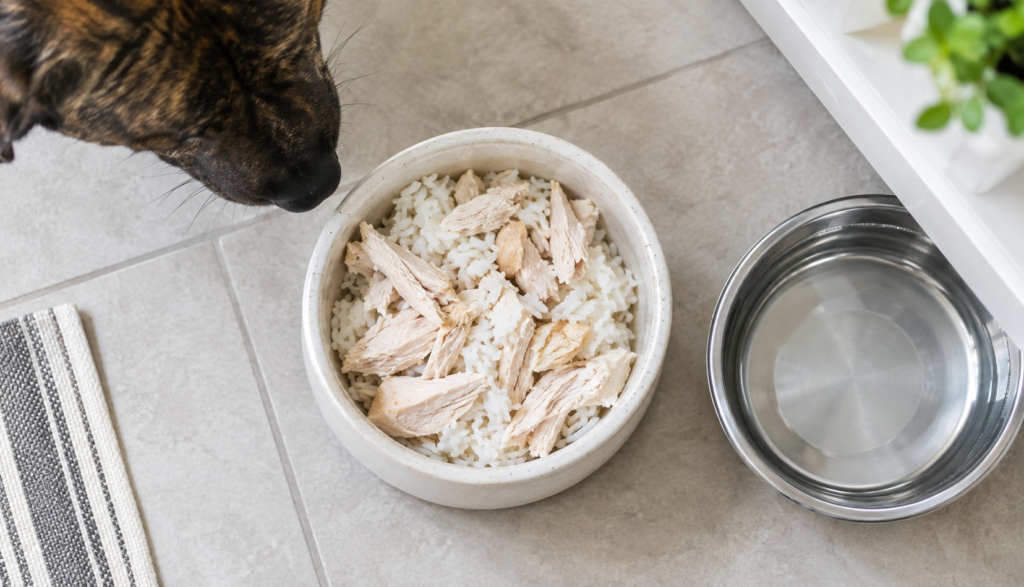
- Bland diet: After fasting, reintroduce food gradually with boiled plain chicken and white rice, or a vet-recommended bland diet, in small portions.
- Hydration: Monitor water intake closely. Dehydration is the primary risk with ongoing diarrhea, especially in small dogs and puppies.
- Pumpkin: Plain canned pumpkin (not pie filling) in small amounts can help firm stool due to its fiber content.
- Gradual reintroduction: Slowly transition back to regular food over 2–3 days once stool firms up, rather than switching abruptly.
Signs Diarrhea Has Become an Emergency
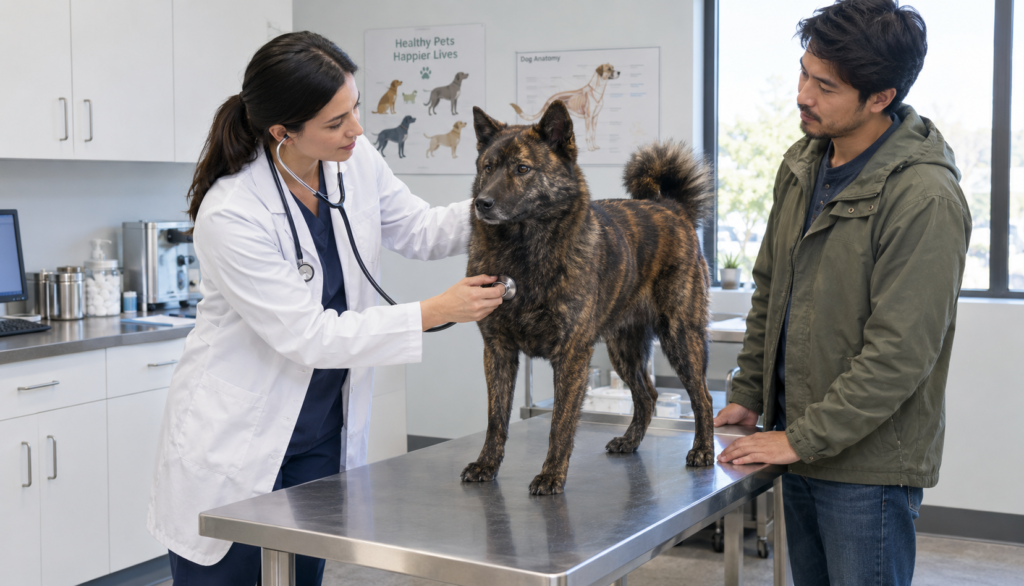
Some signs mean skip the wait-and-see approach entirely and get to a vet the same day:
- Diarrhea lasting more than 2–3 days despite home care
- Blood in the stool — bright red streaks or black, tarry stool
- Repeated vomiting alongside diarrhea
- Lethargy, weakness, or collapse
- Refusal to eat or drink for more than 24 hours
- Visible signs of dehydration — dry or tacky gums, skin that’s slow to spring back when gently pinched, sunken eyes
- Known ingestion of a toxic substance, foreign object, or spoiled food
- Puppies, senior dogs, or dogs with existing health conditions showing any diarrhea beyond mild and brief
Duration Differences by Age and Size
Puppies dehydrate far faster than adult dogs due to their smaller body mass and higher fluid turnover, so diarrhea that would be “wait and see” in an adult dog often warrants a same-day vet call in a puppy — even at the 24-hour mark. Senior dogs, particularly those with existing kidney, liver, or other organ involvement, are similarly less able to tolerate fluid loss and should be evaluated sooner rather than later if diarrhea extends past a day. Small-breed dogs also carry higher dehydration risk relative to large-breed dogs experiencing the same duration of symptoms, simply due to lower total body water reserves.
When Diarrhea Keeps Coming Back
Recurring diarrhea — even if each episode resolves within a few days — is a pattern worth bringing to a vet rather than treating as a string of unrelated incidents. Recurring episodes can point to food sensitivities, low-grade parasite infections, or early signs of a chronic digestive condition that a single stool sample or physical exam might not catch on the first pass. A vet may recommend fecal testing, a diet trial, or bloodwork to identify a pattern that isn’t obvious from the outside.
Frequently Asked Questions
Q. Is it normal for a dog to have diarrhea for one day?
A. Yes, single-day diarrhea is common and often resolves on its own, especially if tied to something like a dietary change, a new treat, or mild stress. Monitor hydration and appetite, and it should clear within 24–48 hours with basic supportive care.
Q. When should I worry about my dog’s diarrhea?
A. Worry escalates when diarrhea lasts beyond 2–3 days, includes blood or mucus, comes with vomiting or lethargy, or affects a puppy, senior dog, or dog with an existing health condition. Any of these warrants a vet visit rather than continued home monitoring.
Q. What can I give my dog for diarrhea at home?
A. A short fast (water always available), followed by a bland diet of boiled chicken and white rice, along with small amounts of plain canned pumpkin, is the standard supportive approach for mild, uncomplicated cases. Always check with a vet before giving any medication, including over-the-counter options.
Q. Can stress cause diarrhea in dogs?
A. Yes, stress-induced diarrhea is common and typically resolves within 24–48 hours once the stressor — travel, boarding, a new home, loud events — passes. It generally doesn't require treatment beyond supportive care unless it persists.