

Your dog just swallowed something it should not have, maybe a handful of grapes, a chocolate bar, or half a bottle of pills, and your first thought is how to make a dog throw up before the poison reaches the bloodstream. It is a natural instinct, and in some cases inducing vomiting really does prevent a serious poisoning. It is also a step that can make things worse, sometimes much worse, when it is done for the wrong substance, at the wrong time, or in the wrong dog.
This guide explains how to induce vomiting in a dog at home using 3% hydrogen peroxide, but only in the situations where a veterinarian or an animal poison control expert has told you to do it. You will find the dose by body weight, what to expect in the first fifteen minutes, which dogs should never be made to vomit, and what a vet does differently. If your dog is in trouble right now, call an emergency vet or a poison helpline first and come back to this page afterward.
Call a Vet or Poison Control Before You Do Anything
The most important step in any “dog ate something toxic” situation is a phone call, not a bottle of peroxide. Whether you should make your dog throw up depends on what was swallowed, how much, how long ago, and the size, age, and health of your dog. Nobody can judge all of that from a photo or a web page, which is why professionals make the decision case by case.
In the United States, two services are staffed around the clock by veterinary toxicologists: ASPCA Animal Poison Control at (888) 426-4435 and Pet Poison Helpline at (855) 764-7661. Both charge a consultation fee, and both are worth it, because a single call tells you whether vomiting helps, how much time you have, and whether you need an emergency vet. Outside the US, call your nearest emergency vet or your local veterinary poison service. Your own veterinarian is the other good first call during office hours.
Have this information ready before you dial:
- Your dog’s breed, age, and current weight
- Exactly what was eaten, with the package or label in your hand if possible
- How much is missing, and your best estimate of when it happened
- Any symptoms so far, such as drooling, shaking, vomiting, or unusual sleepiness
- Any existing health problems or medications your dog takes
So, should I make my dog throw up? Not until a professional says yes. Calling first takes a few minutes. Those minutes are rarely the difference between success and failure, but guessing wrong about whether to induce vomiting can be.
When to Induce Vomiting in Dogs (and When It Can Help)
Making a dog vomit works only while the swallowed item is still sitting in the stomach. Once it has moved into the small intestine, vomiting will not bring it back, and the dog gets all of the risk with none of the benefit. This is why the ingestion timeline matters so much. As a general rule, vets consider inducing vomiting within about two hours of the dog eating something dangerous, though the window can stretch longer after a heavy meal, or when the substance forms a lump that lingers in the stomach, as chocolate and bread dough can. Your vet will decide whether the clock has run out.
Situations where a professional may recommend inducing vomiting at home or at the clinic include:
- Chocolate or cocoa products eaten recently, especially dark or baking chocolate
- Grapes or raisins, where the cause of kidney injury is unclear and even small amounts are treated seriously
- Onions, garlic, or large amounts of foods seasoned with them
- Human medications such as ibuprofen or other pain relievers, when they were just swallowed
- Other non-corrosive household items or foods that are known to be toxic and were eaten recently
If your dog ate chocolate, ate grapes, ate raisins, or ate onions, time matters and the call should happen right away. The same goes if your dog ate xylitol, ate ibuprofen, or ate rat poison, although those cases are often handled very differently. Notice the wording: “may recommend.” Even for these items, the answer depends on the dose and on your dog. A single raisin in a Great Dane and a pile of baking chocolate in a Chihuahua are very different emergencies.
When You Should Never Make a Dog Throw Up
Forcing vomiting is dangerous in a long list of situations. When a dog vomits, the swallowed material travels back up the esophagus and can be inhaled into the lungs, causing aspiration pneumonia. Anything that burns or cuts on the way down will burn or cut again on the way up. Do not induce vomiting if any of these apply:
- Your dog is already vomiting, weak, wobbly, very sleepy, or having seizures. A dog with a reduced level of consciousness cannot protect its airway.
- Your dog swallowed a corrosive. Bleach, drain cleaner, oven cleaner, battery acid, and button batteries can do fresh damage on the way back up.
- Your dog swallowed a petroleum product. Gasoline, kerosene, and lighter fluid are easily inhaled when vomited.
- Your dog swallowed something sharp. Bone fragments, glass, needles, and skewers can tear the esophagus.
- The substance can cause seizures. Certain pesticides, slug bait, and some medications can trigger a seizure that makes vomiting hazardous.
- Your dog is a flat-faced breed. Pugs, Bulldogs, Boston Terriers, and Frenchies have narrow airways and a much higher aspiration risk.
- Your dog has a condition that affects swallowing or breathing, such as megaesophagus or laryngeal paralysis, or has a heart condition or recent surgery.
- Your dog is a young puppy, a senior, or pregnant, unless a vet specifically says otherwise.
- You do not know what your dog ate, or more than a few hours have passed.
- Your dog’s belly is swollen or painful, which can signal bloat, a life-threatening emergency that needs a vet immediately.
If any one of these is true, the right move is to head to an emergency vet, not to experiment at home.
How to Induce Vomiting in a Dog With Hydrogen Peroxide

When a veterinarian or poison control specialist tells you to induce vomiting at home, the standard method is fresh 3% hydrogen peroxide. Hydrogen peroxide for dogs means the ordinary brown-bottle kind sold in pharmacies. Do not use the 6% to 12% hair-bleaching strengths, and do not substitute any other product. Check the expiration date, because old, opened peroxide loses strength and may simply not work.
You will need:
- A fresh bottle of 3% hydrogen peroxide
- An oral syringe or a turkey baster
- A measuring spoon
- A small meal of dog food or a little bread, if your vet agrees
- A bowl or plastic container to catch a sample of the vomit
Step-by-Step Instructions
- Confirm the plan with a professional. Get the dose from them, and check it against the chart below.
- Weigh your dog. If you cannot weigh your dog, use your best estimate, but do not round up.
- Offer a small meal first. A little food in the stomach tends to make peroxide more likely to work.
- Measure the dose. The standard dose is about 1 teaspoon of 3% hydrogen peroxide for every 5 pounds of body weight, with a maximum of 3 tablespoons in total, even for dogs well over 45 pounds.
- Give it slowly by mouth. Squirt it into the pocket of the cheek with the syringe or baster, a little at a time, and let your dog swallow between squirts. Never pour it down the throat or force it quickly.
- Walk your dog gently. Light movement helps the peroxide mix with stomach contents.
- Be ready. Vomiting usually begins within 10 to 15 minutes. Let your dog vomit outside or on an easy-to-clean surface, and keep a sample for the vet.
Hydrogen Peroxide Dosage for Dogs by Weight
This chart applies the standard ratio of 1 teaspoon per 5 pounds. It is a reference for the conversation you have with your vet, not a replacement for it.
| Dog’s Weight | 3% Hydrogen Peroxide Dose |
|---|---|
| 5 lb (2.3 kg) | 1 teaspoon |
| 10 lb (4.5 kg) | 2 teaspoons |
| 20 lb (9 kg) | 4 teaspoons (about 1 1/3 tablespoons) |
| 30 lb (13.5 kg) | 6 teaspoons (2 tablespoons) |
| 45 lb (20 kg) | 9 teaspoons (3 tablespoons) |
| Over 45 lb (20+ kg) | 3 tablespoons maximum |
If you are wondering how much hydrogen peroxide to give a dog and the number on the chart looks like a lot, remember that the maximum exists for a reason. More peroxide does not mean more vomiting; it means more stomach irritation.
What to Expect After Your Dog Vomits
Peroxide works by irritating the lining of the stomach and creating foam, which triggers the vomiting reflex. How long does it take for peroxide to make a dog vomit? It varies, but most dogs start within 10 to 15 minutes. The vomit may look foamy, and it may include the item you were worried about, partly digested food, or only liquid. Take a picture and save a sample for the vet, because it helps them judge what came up and what may still be inside.
If nothing happens after 15 minutes, you may be told to repeat the dose one time. That is the limit. How often can you give a dog hydrogen peroxide in one episode? Twice at most, and only if your vet agrees. Continued dosing can cause severe stomach irritation, drooling, ulcers, and a dangerous cycle of repeated vomiting. If your dog won’t throw up after peroxide, do not keep trying. Head to the vet, because they have stronger, more reliable options.
After the vomiting stops, watch your dog closely for the next 24 hours:
- Coughing, gagging, or noisy or labored breathing, which can point to aspiration
- Vomiting that continues for more than an hour or contains blood
- Lethargy, weakness, tremors, or wobbliness
- Loss of appetite, belly pain, or black stools
A sore stomach is common with dog vomiting after peroxide. A small, bland meal later in the day is usually fine if your vet approves, but a vet visit is the safe next step either way, because vomiting empties only part of the stomach and does not undo what has already been absorbed.
What Not to Use to Make a Dog Vomit
The internet is full of folk remedies for how to make a dog vomit. Several of them are dangerous, and none of them is better than a call to a professional.
- Salt water. It is one of the most common home suggestions and one of the most hazardous. Can you use salt water to make a dog throw up? You can, but large amounts of salt can cause fatal sodium poisoning, called hypernatremia, with seizures and kidney damage.
- Mustard. It is unreliable and irritates the stomach.
- Syrup of ipecac. It is no longer recommended for dogs and can affect the heart.
- Dish soap or laundry products. These can burn the mouth and throat and cause foaming that gets into the lungs.
- Fingers or objects down the throat. This rarely triggers vomiting, and it risks injury to your dog and bites to you.
- Concentrated or expired peroxide. Strong peroxide can burn tissues, and old peroxide often fails.
If you are looking for how to make a dog throw up without peroxide, the honest answer is that there is no safe at-home alternative. The better option is a vet, who can use proper emetic agents with monitoring.
How Vets Induce Vomiting Safely
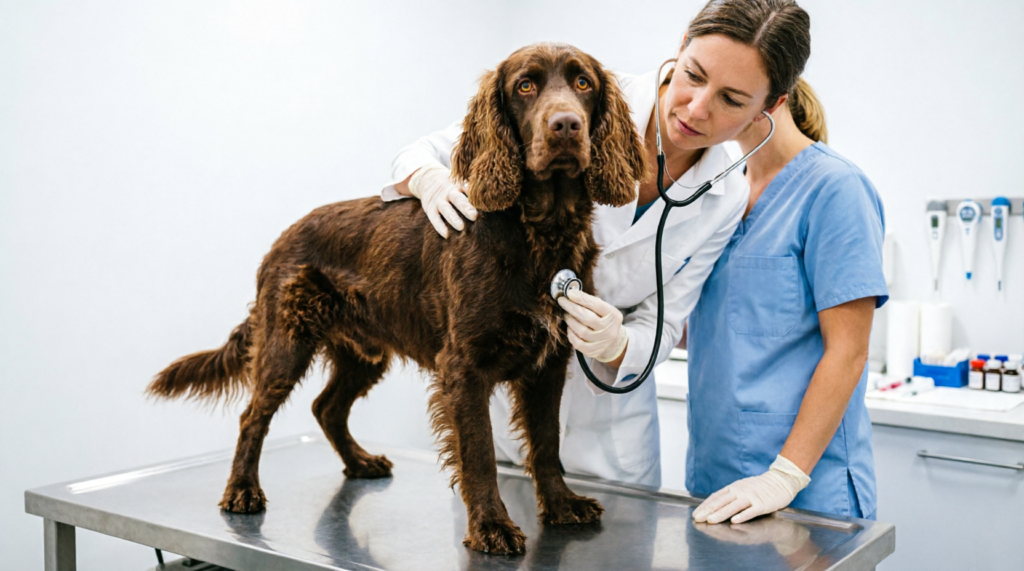
Vet-induced vomiting is more predictable and safer than the home method. Veterinarians use medications designed for the job, such as apomorphine, given by injection or placed in the eye, or ropinirole eye drops, which tend to work within minutes. If vomiting goes on too long, they can reverse it with anti-nausea medication, something you cannot do at home.
Beyond emptying the stomach, a vet can do what peroxide never can. They can give activated charcoal to bind toxins in the gut, start intravenous fluids, run bloodwork to check the kidneys and liver, monitor heart rhythm and blood sugar, and use endoscopy to retrieve an object such as a swallowed sock before it becomes a foreign body obstruction. A dog that swallowed a sock, for example, often needs imaging rather than peroxide. For a dog that has eaten something dangerous, the clinic is often the best place to be even if the peroxide worked.
Common Ingestions and Whether Vomiting Is Usually Advised
This table shows how professionals tend to think about common emergencies. It does not replace the call: the final answer always depends on dose, timing, and your individual dog.
| What Your Dog Ate | Is Vomiting Often Considered? | Main Concern |
|---|---|---|
| Chocolate or cocoa | Often, if recent | Heart rhythm problems, tremors, seizures |
| Grapes or raisins | Often, if recent | Kidney injury |
| Onions or garlic | Sometimes, if large amount and recent | Damage to red blood cells |
| Ibuprofen and other human pain relievers | Vet decides | Stomach ulcers, kidney damage |
| Xylitol (sugar-free gum, candy, some peanut butters) | Vet decides, because blood sugar can crash fast | Low blood sugar, liver failure |
| Rat poison | Vet decides, depends on the type | Bleeding, brain swelling, kidney failure |
| Antifreeze (antifreeze poisoning) | Emergency vet immediately | Kidney failure, sometimes within hours |
| Bleach, drain cleaner, batteries | No | Chemical burns of mouth and esophagus |
| Bones, skewers, sharp objects | No | Tears and blockages |
| Gasoline or lighter fluid | No | Aspiration into the lungs |
What Most People Don’t Know
Several facts about inducing vomiting surprise even experienced dog owners, and they explain why the professionals sound so cautious.
First, vomiting is not a cure. Even when it works, it brings up only a portion of the stomach contents, so a dog can still absorb a dangerous dose. Treat it as one step that buys time, not as the end of the emergency.
Second, a dog that looks fine is not necessarily safe. Many poisons have a delayed effect. Antifreeze poisoning in dogs can look like nothing for hours before the kidneys fail, xylitol can drop blood sugar within the first hour, and some rat poisons do not cause visible bleeding for days. If your dog ate poison, “acting normal” is not a reason to wait.
Third, peroxide is not a household item that keeps forever. Opened bottles lose strength, and a weak dose can leave you with a dog that has swallowed the peroxide and still has the toxin in its stomach. Check the date on your bottle today, long before you ever need it.
Fourth, the poison helpline fee is small compared with the cost of treating a dog that was made to vomit when it should not have been. The call can also save you a trip to the emergency vet when the amount your dog ate turns out to be harmless.
Finally, many vets prefer to see the dog and use dedicated medication rather than rely on peroxide, which is why a call to your vet may end with “bring her in” instead of an at-home dose.
How to Prevent Accidental Poisoning
The best way to handle a dog that ate something toxic is to make sure it never gets the chance. Most poisonings are caused by ordinary household items left within reach, and a few habits prevent the majority of them.
- Store medications, supplements, and sugar-free products in closed cabinets, not in purses or on nightstands
- Keep chocolate, grapes, raisins, onions, and baked goods out of reach, especially around holidays
- Check labels for xylitol on gum, candy, baked goods, and peanut butter
- Use secured trash cans, particularly for dogs who scavenge
- Lock away cleaning products, pesticides, rodent bait, and antifreeze, and clean up spills right away
- Teach a reliable “drop it” and “leave it” command
It also helps to put together a small pet emergency kit now. Include the numbers for your vet, the nearest 24-hour emergency vet, and a poison helpline, plus an oral syringe and a fresh bottle of 3% hydrogen peroxide with a date you can read. Keep it where everyone in the house can find it.
Frequently Asked Questions
Q. How much hydrogen peroxide do I give a dog to induce vomiting?
A. The standard dose is about 1 teaspoon of 3% hydrogen peroxide per 5 pounds of body weight, up to a maximum of 3 tablespoons for dogs over 45 pounds. Only use it after a vet or poison control tells you to.
Q. How long does it take hydrogen peroxide to make a dog throw up?
A. Most dogs begin vomiting within 10 to 15 minutes. If nothing happens, one repeat dose is the limit, and then it is time to go to the vet.
Q. What if my dog won’t throw up after peroxide?
A. Do not keep dosing. Repeated doses irritate the stomach and can cause ulcers or prolonged vomiting. Take your dog to an emergency vet, where safer and more reliable medications are available.
Q. Can I make my dog throw up with salt water instead of peroxide?
A. No. Salt water can cause dangerous sodium poisoning and is not a safe way to make a dog vomit. There is no safe home alternative to peroxide, so call a vet or poison hotline instead.