
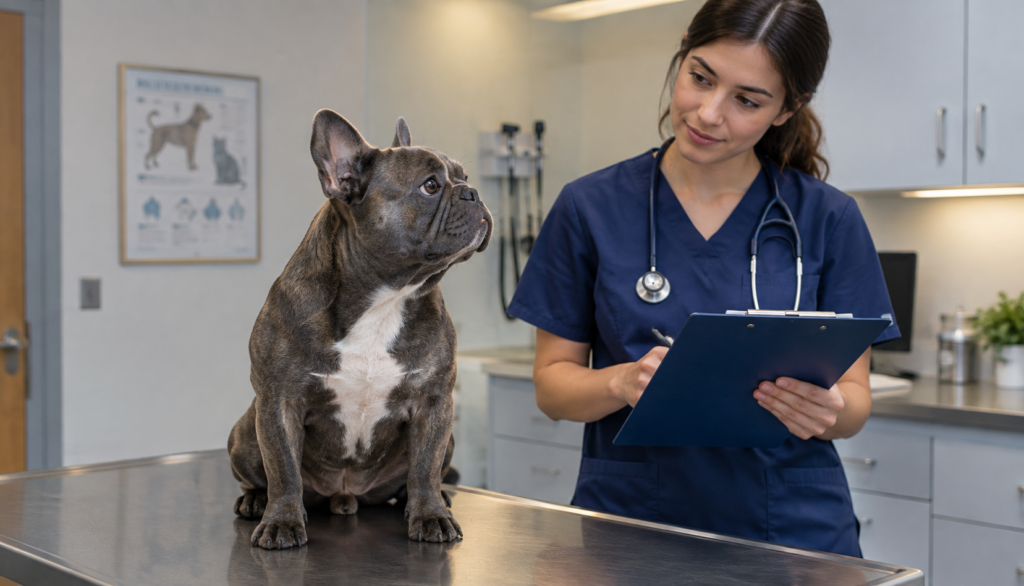
Dog vomiting is one of the most common concerns dog owners bring to their vet. But when your dog throws up yellow bile—a bitter, acidic liquid—the worry often intensifies. Yellow vomit looks alarming, feels urgent, and raises immediate questions: Is this an emergency? Is something seriously wrong with my dog’s liver or gallbladder? Do I need to call the vet tonight, or can it wait?
The good news: In many cases, yellow bile vomiting is not an emergency, and your dog likely doesn’t have a life-threatening condition. The difficult truth: Sometimes it signals a real problem that demands veterinary attention within hours, not days. Learning to distinguish between these scenarios—and understanding what bile vomiting actually is—puts you in control and keeps your dog safe.
What Is Yellow Bile, and Why Does Your Dog Vomit It?
Bile is a digestive fluid produced by the liver and stored in the gallbladder. Its job is to break down fats and move food through your dog’s digestive system. Bile is normally secreted into the small intestine when food arrives—a tightly coordinated process that happens out of sight.
When your dog vomits bile, it means bile has backed up into the stomach and been expelled. This is always abnormal—bile should never be in the stomach—but it doesn’t automatically mean your dog has a serious disease. The causes range from simple (an empty stomach and a long gap between meals) to serious (pancreatitis, intestinal blockage, or liver disease).
Yellow bile vomit is most commonly yellow, pale green, or mustard-colored, and it’s distinctly different from other types of vomit your dog might produce. Unlike food vomit, which contains recognizable chunks, or mucus vomit, which looks foamy and transparent, bile vomit has a liquid, bitter appearance that often smells pungent.
When Yellow Bile Vomiting Is Normal (Or At Least, Not Serious)
Your dog doesn’t need an emergency vet visit for every episode of bile vomiting. In fact, occasional bile vomiting is common and often resolves on its own.
Empty stomach vomiting (bilious vomiting syndrome): The most frequent cause of yellow bile vomiting in otherwise healthy dogs is an empty stomach. Dogs that go 12+ hours without food—especially overnight—can develop gastric inflammation from prolonged stomach acid exposure. When the stomach irritates itself, it triggers nausea, and the dog vomits bile. This usually happens in the morning before breakfast and may appear as yellow liquid or pale foam. A single episode of morning bile vomiting is rarely a sign of serious disease.
Long gaps between meals: Some dogs, especially those on irregular feeding schedules, vomit bile if they go too long without eating. Feeding smaller meals more frequently (three times daily instead of once) often stops these episodes immediately.
Fasting for medical procedures: If your dog fasted before surgery or a blood draw, bile vomiting during or shortly after the fast is common and usually mild.
Stress or anxiety: High-stress situations—travel, loud noises, separation—can trigger temporary digestive upset and bile vomiting. Once the stressor is removed, the vomiting often stops without treatment.
When Yellow Bile Vomiting Signals a Real Problem (When to Worry)
Some bile vomiting episodes are mild and self-limiting. Others are the first sign of a condition that demands fast veterinary action. The difference depends on other symptoms and how often the vomiting occurs.
Repeated or chronic bile vomiting: If your dog vomits bile multiple times per week or has been doing so for more than a few days, this is not normal and requires veterinary evaluation. Chronic bile vomiting suggests an underlying issue like bilious vomiting syndrome (requiring dietary changes), pancreatitis, or intestinal inflammation.
Bile vomiting with other symptoms: If your dog vomits bile AND shows any of these signs, schedule a vet visit the same day or consider an emergency visit if symptoms are severe:
- Abdominal pain: Hunching, whining, reluctance to move, or a “prayer position” (front legs stretched forward, rear end elevated)
- Lethargy or weakness: Unusual tiredness, lack of interest in play or food, difficulty standing
- Loss of appetite: Refusing meals or treats for more than a few hours
- Diarrhea or constipation: Abnormal bowel movements occurring alongside vomiting
- Blood in vomit: Red streaks, coffee-ground texture, or dark blood in the vomit (sign of bleeding in the GI tract)
- Yellow gums or skin (jaundice): Indicates possible liver or gallbladder disease
- Pale gums: Can signal anemia or shock—seek emergency care
- Increased drooling or swallowing: Suggests nausea and potential obstruction
Acute onset bile vomiting: If your previously healthy dog suddenly begins vomiting bile repeatedly over a few hours, this can indicate pancreatitis, gastroenteritis, or an intestinal blockage. Call your vet the same day; if it occurs after hours and your dog is showing distress, seek emergency care.
What Most People Don’t Know
Many dog owners assume that yellow vomit means liver disease—it doesn’t. The color comes from bile, not from liver damage. A dog can vomit bile without having liver problems, gallbladder stones, or any organ disease at all. The most common cause of bile vomiting in healthy adult dogs is simply an empty stomach combined with normal gastric acid irritation.
What catches people off guard: a dog vomiting yellow bile in the morning, eating normally all day, and never vomiting again—only to repeat the pattern the next morning. This pattern (called bilious vomiting syndrome) is frustrating and looks alarming, but it is almost never a sign of serious disease. Instead, it’s usually solved by a simple feeding-schedule change: feeding a small snack before bed or dividing daily meals into three portions instead of one large meal.
Another surprise: stressed or anxious dogs vomit bile far more often than most owners realize. A move, a new pet in the home, or even a change in routine can trigger temporary digestive upset that manifests as bile vomiting. Once the environment stabilizes, the vomiting stops without medical treatment.
Home Care: What You Can Do Right Now
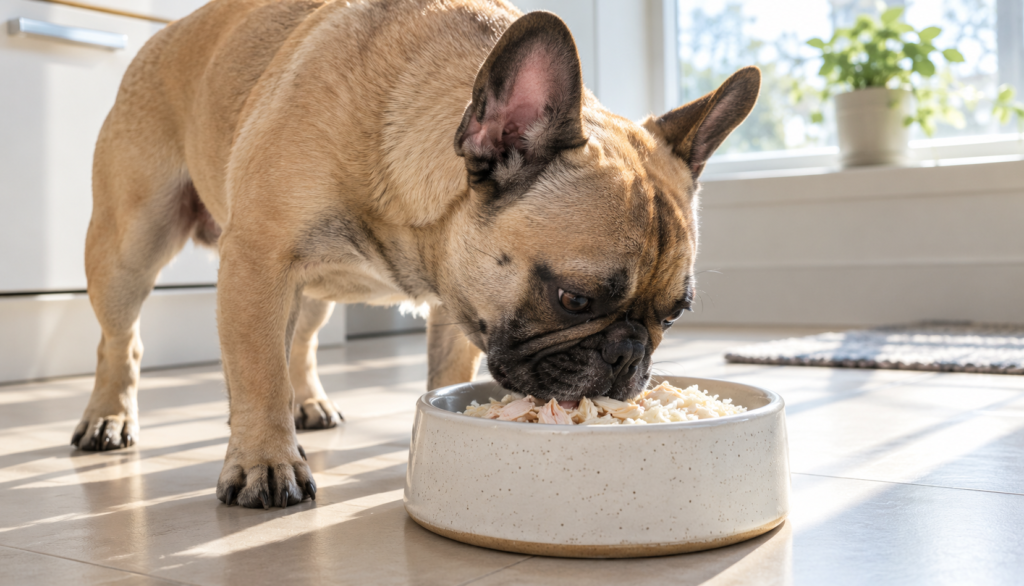
If your dog vomits bile once or twice but is otherwise acting normal, eating well, and showing no other symptoms, you can try these simple steps before calling the vet:
Adjust feeding schedule: If morning vomiting is the issue, offer a small snack (a few biscuits, a spoonful of canned food, or a small amount of broth) before bed. This reduces overnight stomach acid buildup. Alternatively, switch to three smaller meals per day instead of one or two large meals.
Avoid triggers: If stress or changes in routine seem to trigger the vomiting, stabilize your dog’s environment. Stick to regular feeding times, exercise routines, and sleeping arrangements. Play calming music or use a anxiety wrap if your dog is sensitive.
Bland diet trial: After a vomiting episode, offer a bland diet (plain boiled chicken and rice, or a small amount of plain pumpkin) for the next meal. Feed in smaller portions. If the vomiting was a one-time stress response, bland food is less likely to irritate an already-sensitive stomach.
Hydration: Vomiting causes fluid loss. Ensure your dog has constant access to fresh water. If your dog is not drinking, has very dry gums, or seems lethargic, dehydration is present—this is a vet-visit reason.
Monitor closely: Write down the time, frequency, and appearance of any vomit episodes. Note what your dog ate before vomiting and any other symptoms. This information is invaluable to your vet.
When to See a Vet (Non-Emergency, Same-Day Visit)
Call your veterinarian the same day if:
- Your dog has vomited bile multiple times in a single day
- Bile vomiting has been occurring for more than 2–3 days, even if infrequent
- Your dog vomited bile and is not eating normally or seems less interested in food
- Your dog is showing mild abdominal discomfort (occasional whining, slight hunching)
- Bile vomiting is a new pattern for your dog and you’re unsure of the cause
- You’ve tried home care adjustments (feeding schedule change) and vomiting continues
Your vet will perform an examination and may recommend bloodwork (to check liver, kidney, and pancreatic function), abdominal ultrasound (to rule out blockage or organ abnormalities), or other diagnostics based on your dog’s age, history, and symptoms.
When to Seek Emergency Care (Vet or Emergency Clinic)
Go to an emergency vet immediately if:
- Your dog is vomiting repeatedly (more than 3–4 times in an hour) and cannot keep water down
- Your dog is showing severe abdominal pain (crying, refusing to move, extreme restlessness)
- Your dog vomited bile and is now lethargic, unresponsive, or acting confused
- Your dog’s gums are pale, yellow, or white—or the gums feel cold and tacky
- Your dog is vomiting blood or has blood in stool
- Your dog has a hard, distended (swollen) abdomen that is tender to touch
- Your dog vomited bile after eating something that could cause obstruction (toy, clothing, large non-food object)
- Your dog is a senior (10+ years) and has just started vomiting bile for the first time
These signs may indicate pancreatitis, intestinal blockage, severe gastroenteritis, organ failure, or other life-threatening conditions. Speed matters in these scenarios.
Preventing Bile Vomiting: Long-Term Strategies
If your dog has a history of bile vomiting, these steps reduce the frequency or severity:
Consistent meal schedule: Feed at the same times every day. Avoid long gaps (over 12 hours) between meals. For dogs prone to morning bile vomiting, a small bedtime snack is often the simplest fix.
Portion control: Three smaller meals per day are often better tolerated than one or two large meals, especially in dogs with sensitive stomachs or those prone to bilious vomiting syndrome.
Diet quality: High-fat diets and foods with artificial additives or inconsistent ingredients can trigger bile vomiting. A high-quality, grain-inclusive diet with consistent ingredients is often helpful. Ask your vet if a prescription digestive diet is appropriate.
Stress management: Minimize environmental changes and provide stable routines. Dogs with high anxiety may benefit from anti-anxiety medication or behavior modification—discuss with your vet.
Regular exercise: Moderate daily exercise improves digestive health and reduces stress-related vomiting.
Medications: Some dogs benefit from medications that reduce stomach acid (famotidine) or promote gastric motility (metoclopramide). Your vet can determine if these are appropriate for your dog.
Frequently Asked Questions
Q. Can I give my dog antacids or medications from my medicine cabinet?
A. No. Do not give your dog any medication without veterinary approval. Over-the-counter antacids, Pepto-Bismol, and other human medications can be harmful to dogs or mask symptoms of serious disease. Always ask your vet what is safe.
Q. Is bile vomiting a sign of liver disease?
A. Not necessarily. Bile vomiting is a symptom of an upset stomach or gastric irritation, not a direct sign of liver disease. However, if vomiting is chronic or accompanied by other symptoms (yellowing of gums/skin, weight loss, lethargy), liver disease should be ruled out with bloodwork and imaging. A single episode of bile vomiting in an otherwise healthy dog is almost never due to liver problems.
Q. Should I fast my dog after a bile vomiting episode?
A. Brief fasting (2–4 hours) is okay if your dog vomited once and is otherwise normal. After that window, offer a bland diet in small portions. Prolonged fasting (over 12 hours) can actually worsen bile vomiting by causing more stomach acid buildup. If your dog continues to vomit after a bland meal, call your vet instead of continuing to withhold food.
Q. Can stress alone cause bile vomiting?
A. Yes. Stress and anxiety trigger gastrointestinal upset, including bile vomiting, in many dogs. If vomiting correlates with stressful events (car rides, thunderstorms, separation), addressing the stress (through routine, calming supplements, or behavior medication) often stops the vomiting. However, if vomiting continues even during calm periods, an underlying digestive issue is more likely.